Uremic Symptoms: Signs, Causes, and What to Do Next
When your kidneys can’t filter waste anymore, uremic symptoms, a collection of signs caused by toxic buildup in the blood due to failing kidneys. Also known as uremia, it’s not a disease itself—it’s the body’s alarm system telling you something’s wrong with your kidney function. This isn’t something that sneaks up slowly. If you’ve been feeling unusually tired, nauseous, or confused, and you have a history of high blood pressure, diabetes, or past kidney issues, these symptoms could be your last warning before things get critical.
Uremic symptoms don’t show up out of nowhere. They’re the result of chronic kidney disease, a gradual loss of kidney function over months or years that’s often ignored until it’s advanced. The kidneys stop removing urea, creatinine, and other toxins. That’s when you start feeling it: metallic taste in your mouth, itching without rash, swelling in your hands or feet, and trouble concentrating. Some people even get a ammonia-like smell on their breath. These aren’t just "feeling off" moments—they’re biological red flags. And if left untreated, uremic symptoms can lead to seizures, heart rhythm problems, or even coma. The good news? Recognizing them early means you still have time to act—whether through medication, diet changes, or starting dialysis, a treatment that takes over the filtering job your kidneys can no longer do.
What you’ll find in the posts below isn’t a list of symptoms you should panic over. It’s a practical guide to what these signs really mean, how they connect to other conditions like diabetes or high blood pressure, and what real people have done when they noticed something was off. You’ll see how medication side effects, drug interactions, and even lifestyle choices can push someone toward uremic symptoms. And you’ll learn how to spot the difference between normal aging and something more serious—before it’s too late.
- Dec 2, 2025
- Posted by Cillian Osterfield
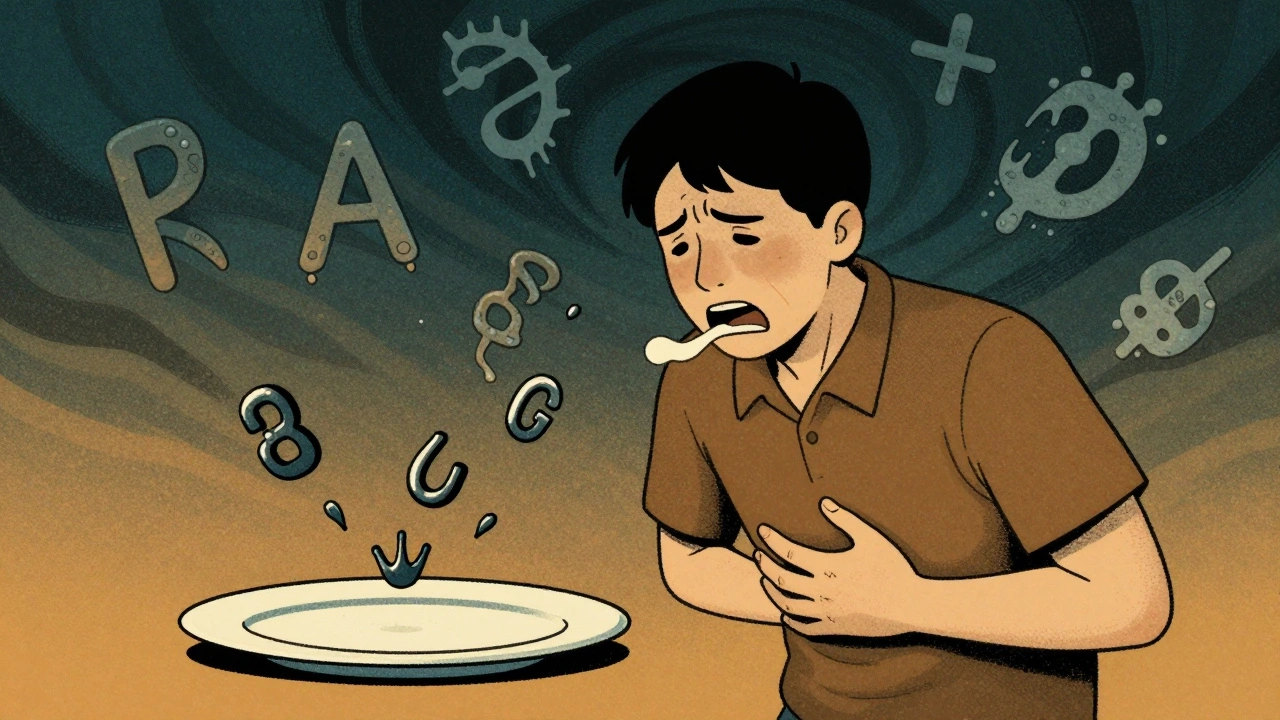
Uremic Symptoms: Nausea, Itch, and When to Start Dialysis
Uremic symptoms like nausea and itching signal dangerous toxin buildup in kidney failure. Learn when to start dialysis based on symptoms-not just lab numbers-and how new treatments can restore your quality of life.