TCA Side Effects: What You Need to Know About Tricyclic Antidepressants
When doctors prescribe tricyclic antidepressants, a class of older antidepressants used for depression, anxiety, and chronic pain. Also known as TCAs, they work by balancing brain chemicals like serotonin and norepinephrine. But while they’re effective, their side effects are common—and sometimes serious. Unlike newer antidepressants, TCAs don’t just affect your mood. They touch your heart, your mouth, your digestion, and even your balance. If you’re taking one, or considering it, you need to know what’s likely to happen.
One of the most frequent issues is dry mouth, a result of TCAs blocking acetylcholine receptors. It’s not just uncomfortable—it can lead to cavities, trouble swallowing, or even infections. Then there’s drowsiness, a side effect that hits hard in the first weeks and can make driving or operating machinery dangerous. Constipation is another big one, especially in older adults, and it can become severe enough to require medical help. And don’t ignore the cardiac effects, including slowed heart rate and changes on an ECG that can raise the risk of dangerous rhythms. These aren’t rare. Studies show up to 30% of people on TCAs stop because of side effects, not because the drug didn’t work.
Some side effects are worse for certain people. Older adults are more sensitive to the anticholinergic effects—confusion, dizziness, urinary retention. People with heart conditions need extra caution. And if you’re mixing TCAs with other meds, like painkillers or sleep aids, the risks multiply fast. That’s why many doctors now avoid TCAs unless other treatments have failed. But for some, especially those with nerve pain or treatment-resistant depression, they still make sense—if you’re monitored closely.
What you’ll find below are real, practical posts that break down exactly how these side effects show up, who’s most at risk, how to spot the warning signs, and what to do when they happen. From how TCAs interact with other drugs to why fatigue shows up weeks after starting, this collection gives you the clear, no-fluff facts you need to stay safe.
- Nov 24, 2025
- Posted by Cillian Osterfield
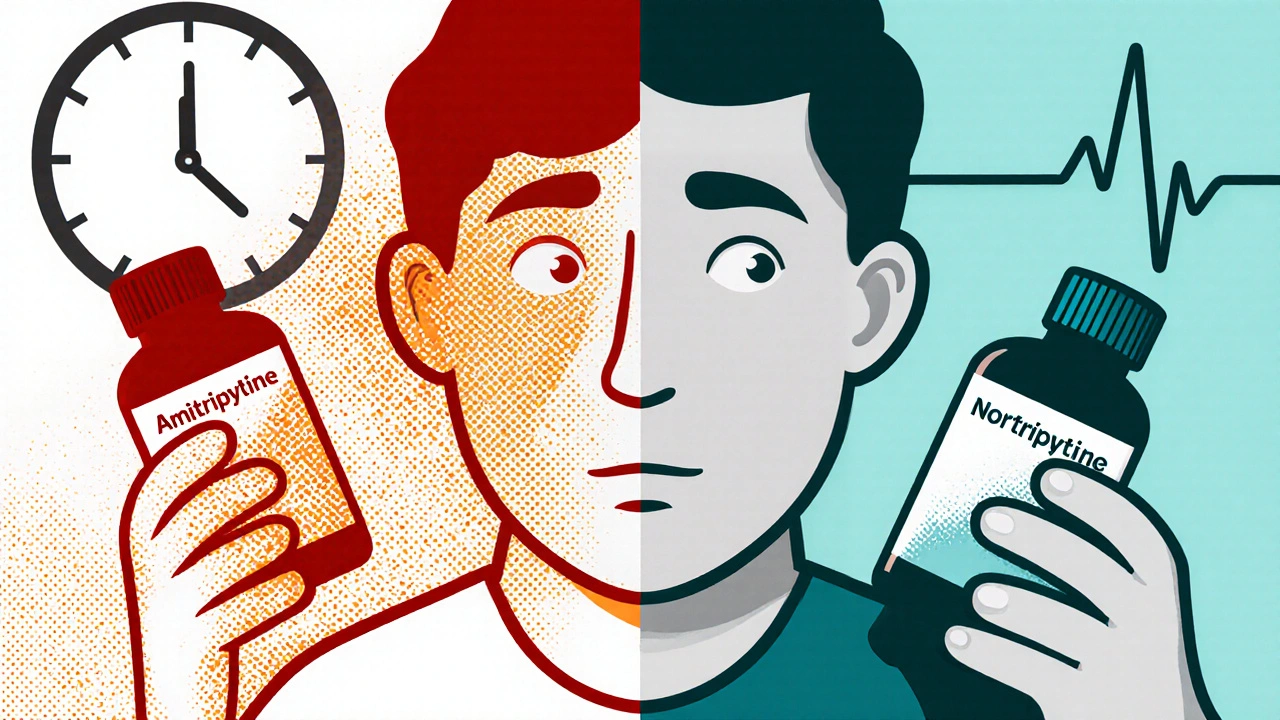
Tricyclic Antidepressant Side Effects: Amitriptyline, Nortriptyline, and More
Amitriptyline and nortriptyline are still used for depression and nerve pain, but their side effects-dry mouth, dizziness, heart risks, and confusion-are serious. Learn when they're worth the risk and how to use them safely.