Drug Shortages: Why Medications Run Out and What It Means for Your Health
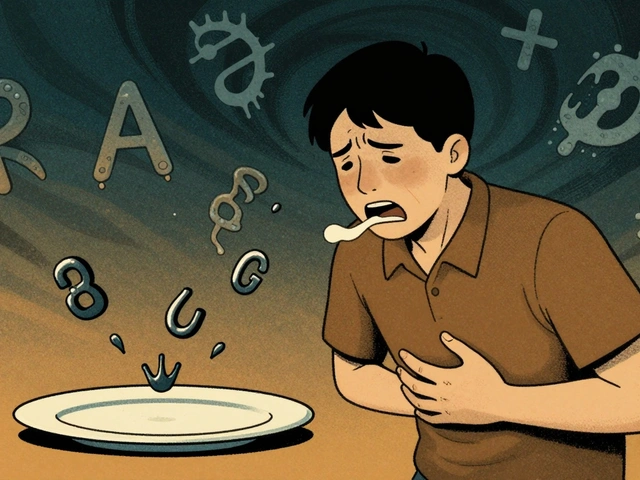
When your pharmacy says drug shortages, a situation where the supply of a medication doesn’t meet patient demand, often due to manufacturing, regulatory, or economic issues. Also known as medication shortages, it can mean you can’t fill your prescription—even if your doctor says it’s essential. This isn’t just an inconvenience. For people taking insulin, seizure meds, or heart drugs, a shortage can be life-threatening.
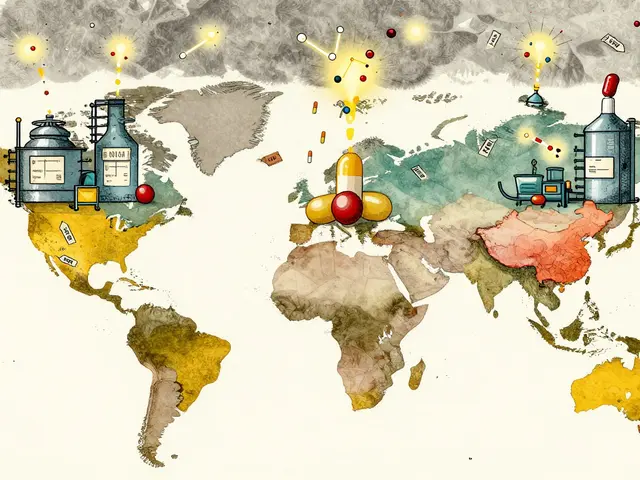
Generic drugs, lower-cost versions of brand-name medications that contain the same active ingredients make up over 90% of prescriptions in the U.S., but they’re also the most common ones to run out. Why? Because manufacturers often produce them in just one or two factories. If one plant has a quality issue, contamination, or shutdown—like the 2021 recall of metformin due to NDMA impurities—the whole country feels it. And when raw materials are sourced overseas, supply chain delays or political tensions can freeze production. Pharmaceutical supply chain, the network of manufacturers, distributors, and regulators that move drugs from factory to pharmacy is fragile, and most people don’t realize how thin the buffer is.
It’s not just about running out of pills. When a drug is in short supply, pharmacies may switch you to a different brand or generic—sometimes with different fillers, colors, or dosing. That can confuse patients, especially older adults on multiple meds. Some people report new side effects after a switch, not because the drug changed, but because their body reacted to a new inactive ingredient. And if no alternative exists? You might wait weeks. Or your doctor has to prescribe something less effective, more expensive, or riskier.
Drug shortages aren’t random. They cluster around certain types of meds: injectables, chemotherapy drugs, antibiotics, and older generics with low profit margins. A 2023 FDA report showed over 300 active shortages, with 70% involving injectables. That’s not a glitch—it’s a systemic problem. Companies don’t make enough profit on these drugs to invest in backup factories or stockpiles. Regulators move slowly. And when a shortage hits, there’s rarely a quick fix.
What can you do? First, don’t panic. Talk to your pharmacist early—if your refill is due next month, ask now if there’s an issue. Second, know your alternatives. Many posts here cover how generics work, what to watch for when switching, and how to spot unsafe substitutes. Third, keep a list of your meds, including dosages and why you take them. If your drug runs out, that list helps your doctor find a safe replacement fast.
Below, you’ll find real stories and practical guides from people who’ve faced these gaps in care. From how to handle a shortage of insulin during travel, to why some generic pills fail quality tests, to how countries like Canada and Germany keep their supplies stable—this collection gives you the tools to stay safe when the system lets you down.
- Jan 31, 2026
- Posted by Cillian Osterfield
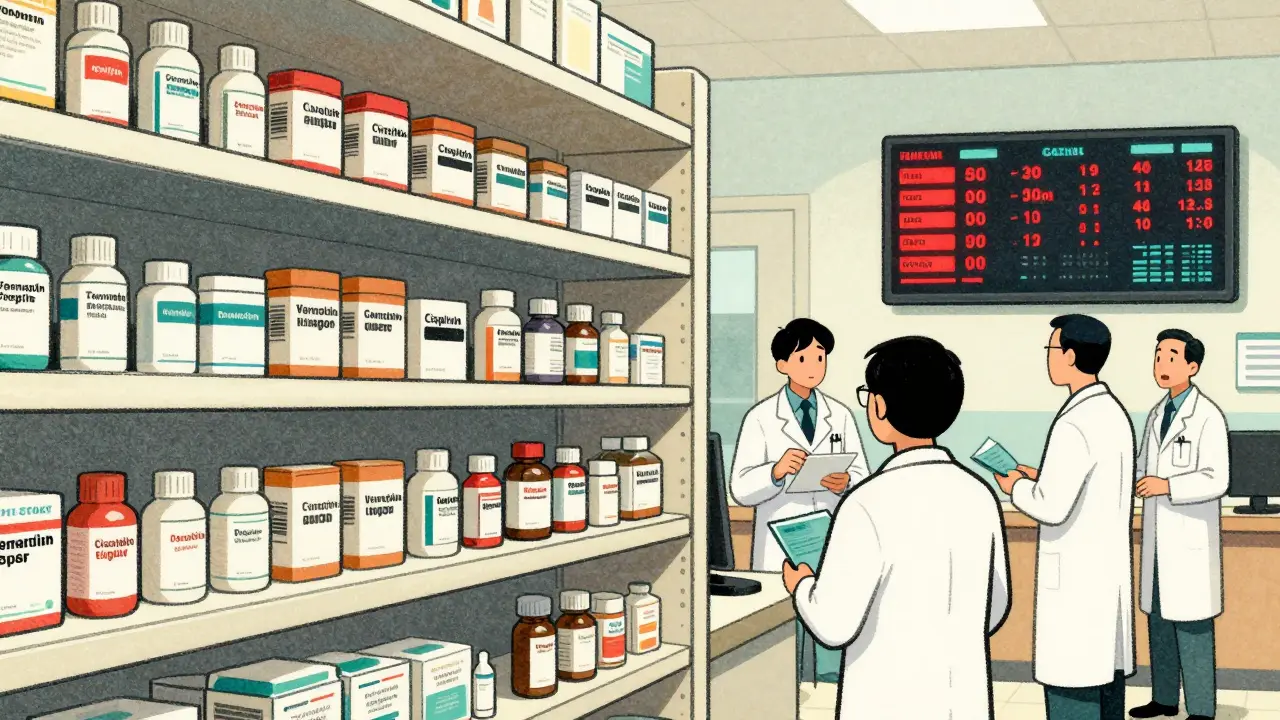
Shortage Mitigation Strategies: How Health Systems Are Fighting Drug Shortages
Health systems are using stockpiling, AI predictions, supplier diversification, and pharmacist-led substitutions to fight drug shortages. Learn how hospitals are preventing crises before they happen.
- Dec 1, 2025
- Posted by Cillian Osterfield
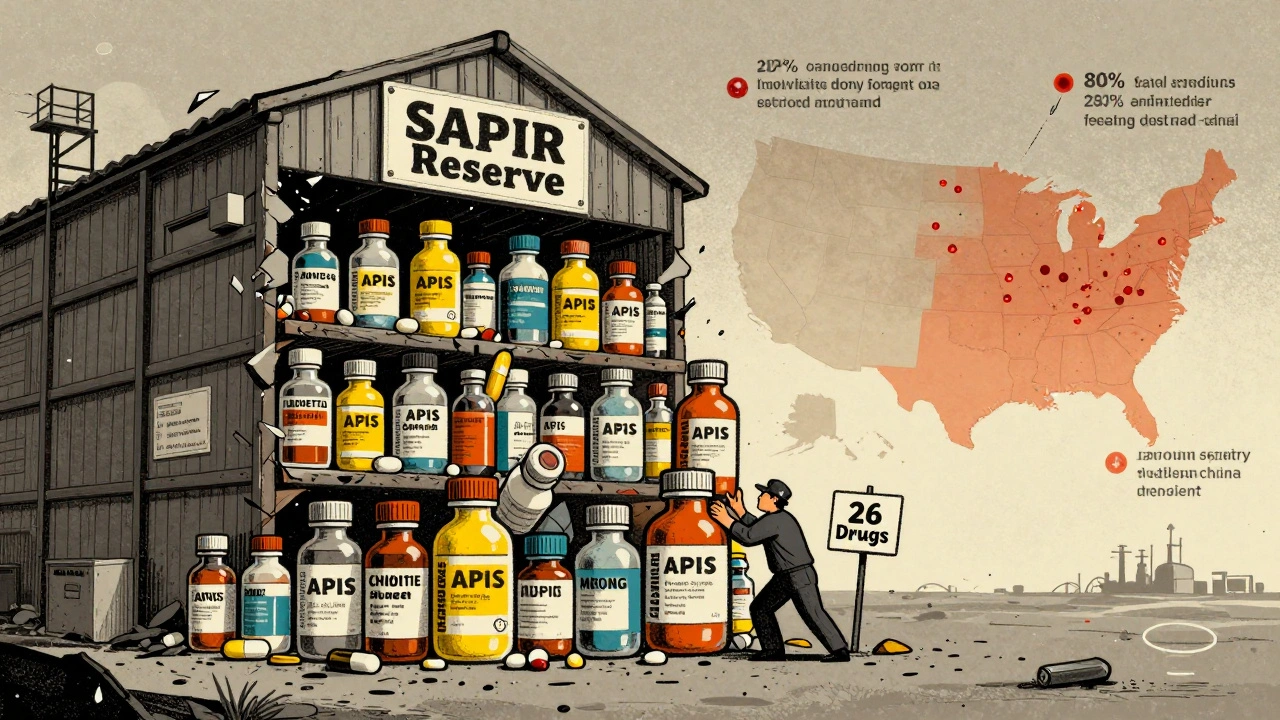
Government Response to Drug Shortages: Federal Actions in 2025
In 2025, the U.S. government is responding to record drug shortages with stockpiling, AI monitoring, and new laws-but critical gaps remain in manufacturing, enforcement, and economic incentives that keep shortages alive.