
Vitamin E & Warfarin Risk Calculator
This tool helps you understand your vitamin E bleeding risk based on the medical research in the article. Remember: 400 IU daily is the critical threshold where risk increases significantly.
Enter your values to see your bleeding risk assessment
How This Calculator Works
Based on the 2013 study in the article:
- Level above 4.49 μmol/mmol: Higher bleeding risk
- Level above 5.56 μmol/mmol: Highest major bleeding risk
- Daily dose above 400 IU: Risk increases significantly
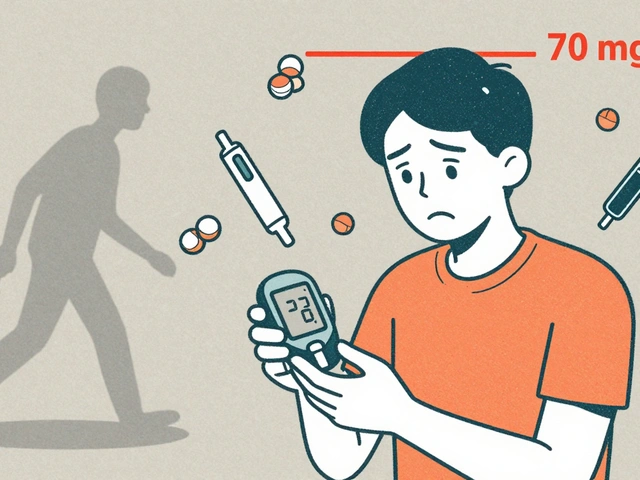
Many people take vitamin E thinking it’s just a harmless antioxidant-something good for skin, heart, or immunity. But if you’re on warfarin, that daily pill might be quietly raising your risk of dangerous bleeding. This isn’t theoretical. Real people have ended up in the hospital because of it. And the scary part? You might not know you’re at risk until it’s too late.
How Vitamin E Interacts with Warfarin
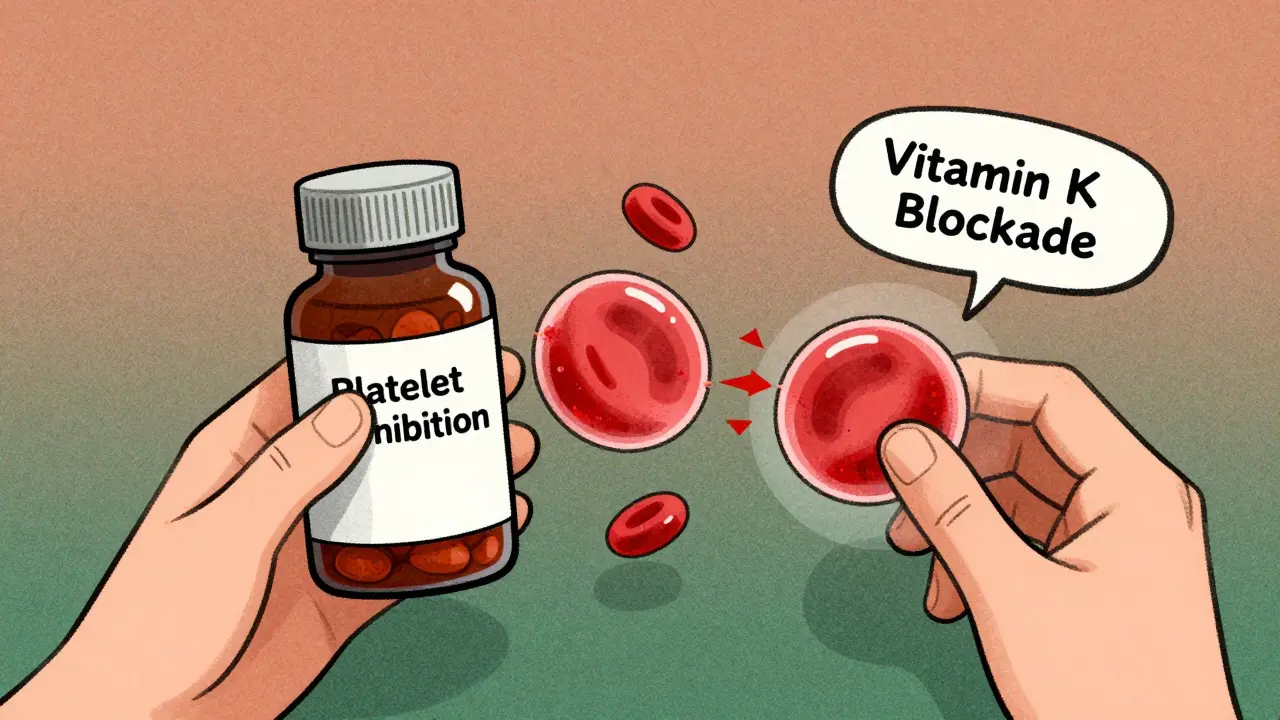
Warfarin works by blocking vitamin K, which your body needs to make clotting factors. Less vitamin K means thinner blood. Vitamin E doesn’t do that directly. But it messes with blood clotting in other ways. It reduces platelet stickiness-the same way aspirin does. That means your blood has a harder time forming clots, even if your INR is normal. When you add vitamin E to warfarin, you’re stacking two anti-clotting effects. It’s like turning up the volume on both speakers at once.
Some studies say this isn’t a big deal. A small 1996 trial found no change in INR when people took up to 800 IU of vitamin E daily. But that study lasted only a few weeks. Bleeding doesn’t always show up fast. In another study, people didn’t bleed until the fourth week of taking 800 IU daily. By then, the effect had built up. That’s why short-term studies can miss the danger.
The Real Danger: High Doses and Serum Levels
The risk isn’t about whether you take vitamin E. It’s about how much. Experts agree: doses above 400 IU daily are risky. Below that? Maybe not. But even 400 IU isn’t safe for everyone.
A 2013 study tracked over 1,000 people on warfarin for atrial fibrillation. They didn’t just look at doses-they measured actual vitamin E levels in the blood. And here’s what they found:
- People with vitamin E levels above 4.49 μmol/mmol cholesterol had a higher chance of any bleeding.
- Those above 5.56 μmol/mmol cholesterol had the highest risk of major bleeding-including brain bleeds.
This matters because two people can take the same 800 IU pill and end up with totally different blood levels. Genetics, diet, liver health, and how well your body absorbs fat-soluble vitamins all play a role. That’s why some people bleed and others don’t. Your dose doesn’t tell the whole story-your blood level does.
What Clinics Are Actually Doing
Doctors aren’t guessing. They’re acting on the evidence.
A survey of 250 anticoagulation clinics found that 78% routinely warn patients against taking vitamin E supplements. Of those, 63% specifically say: don’t go over 400 IU per day. The University of California San Diego Anticoagulation Service says vitamin E should be avoided entirely in people on warfarin. Why? Because it has a proven antiplatelet effect-same as fish oil, garlic, ginkgo, and turmeric. Those are all on the warning list for a reason.
If someone insists on taking it anyway, clinics don’t just shrug. They ramp up monitoring. Baseline INR before starting. Weekly checks for the first month. Then biweekly. That’s at least 3-5 extra clinic visits a year. It’s not just about safety-it’s about time, cost, and stress for the patient.
Why the Confusion? The Science Isn’t Simple
You’ll find conflicting advice online. One source says vitamin E is safe. Another says it’s dangerous. That’s because the research is messy.
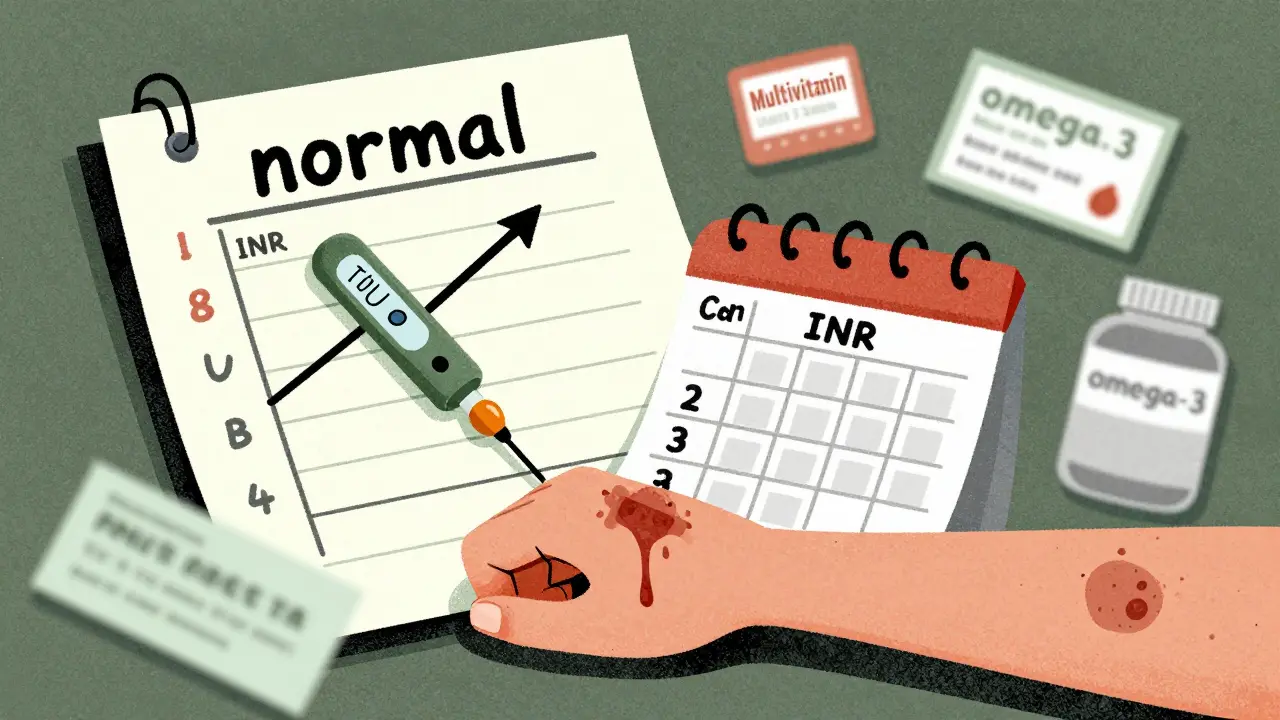
The 1996 study that said vitamin E was safe? It was small-only 21 people. And it measured INR, not actual bleeding. INR tells you about vitamin K’s effect on clotting factors, but not about platelet function. Vitamin E affects platelets. So you can have a normal INR and still bleed.
The 2013 study didn’t just look at INR. It looked at real-world outcomes: bruises, nosebleeds, internal bleeding, strokes. That’s what matters to patients. And it found a clear link between high vitamin E blood levels and bleeding-even after adjusting for age, kidney function, and other risk factors.
Plus, the FDA doesn’t regulate supplements like drugs. A bottle labeled “400 IU” might actually contain 500 IU-or even 1,000 IU. Labels aren’t always accurate. And many people don’t realize they’re getting vitamin E from multivitamins, omega-3s, or protein powders. They think they’re only taking one supplement. They’re not.
What Should You Do?
If you’re on warfarin:
- Don’t start vitamin E without talking to your doctor. Even if you’ve been taking it for years.
- Avoid doses over 400 IU daily. That’s the threshold where risk goes up sharply.
- Check your multivitamin. Many contain 100-400 IU of vitamin E. That’s enough to matter.
- Ask for a blood test. If you’ve been taking vitamin E and have unexplained bruising or bleeding, ask your provider to check your serum vitamin E level. It’s not routine-but it should be considered.
- Be honest about supplements. Tell your doctor about every pill, powder, or capsule you take-even if you think it’s “just natural.”
If you’re not on warfarin but take high-dose vitamin E, be aware: the American Heart Association warns that doses over 400 IU daily may raise your risk of hemorrhagic stroke-even without anticoagulants.
What About Newer Blood Thinners?
Direct oral anticoagulants (DOACs) like apixaban, rivaroxaban, and dabigatran are replacing warfarin for many people. Do they interact with vitamin E too?
We don’t have strong data yet. But the mechanism is different. DOACs don’t rely on vitamin K. So vitamin E’s antiplatelet effect might still matter. It’s not clear if the risk is the same, but it’s not zero. Until we know more, the same caution applies: avoid high doses if you’re on any blood thinner.
Bottom Line
Vitamin E isn’t the enemy. It’s a nutrient your body needs. But when you’re on warfarin, it becomes a hidden risk. You can’t rely on INR alone. You can’t assume low doses are safe. And you can’t trust labels or online advice.
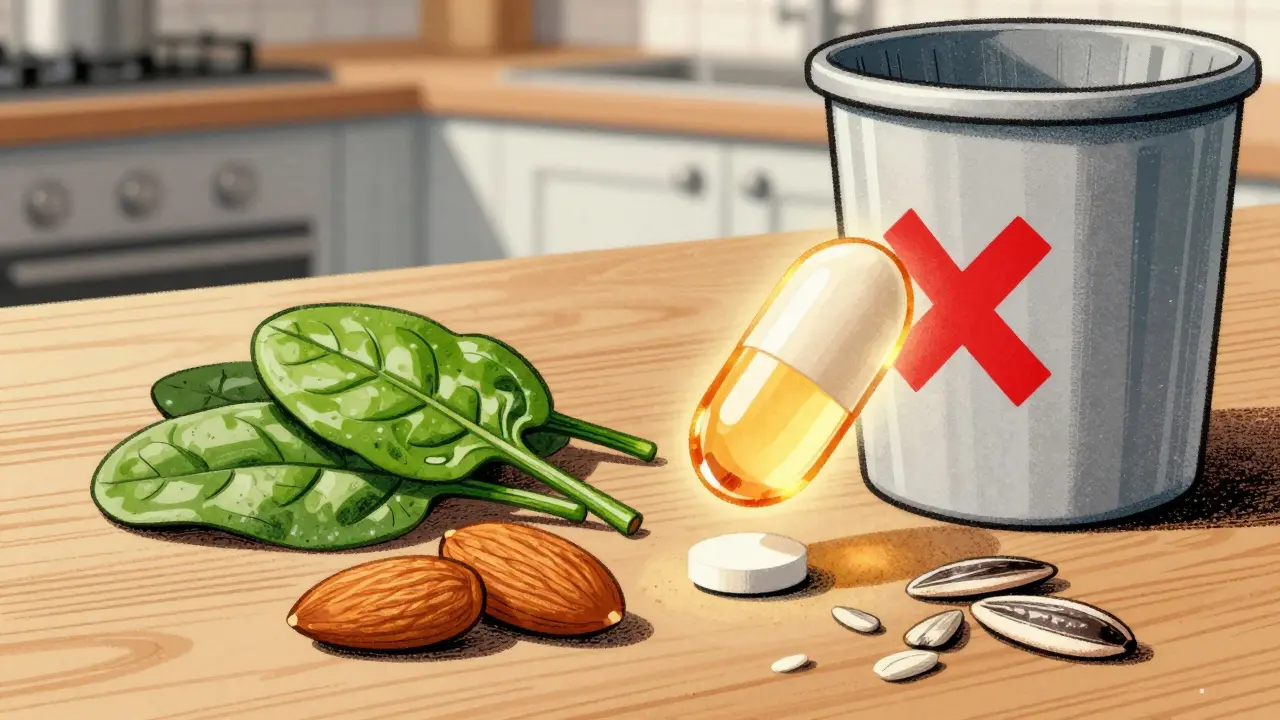
The safest choice? Skip the supplement. Get your vitamin E from food-almonds, sunflower seeds, spinach, broccoli. You’ll get enough without the risk. If you’re already taking a high-dose supplement, talk to your doctor. Don’t wait for a bruise to turn into a bleed. That’s when it’s too late.


11 comments
Yanaton Whittaker
Bro, I took 800 IU of vitamin E for years and never bled. You’re just fearmongering. 🤡
kate jones
This is one of the most clinically accurate summaries I’ve seen on this interaction. The 2013 study’s serum level cutoffs are critical-INR alone is a terrible proxy for platelet-mediated bleeding risk. Many providers still don’t get this.
Also, the fact that 78% of anticoagulation clinics actively warn against it? That’s not anecdotal-it’s consensus-based practice. The FDA’s lack of supplement regulation makes this even more dangerous. A ‘400 IU’ capsule can contain 50% more. People don’t realize they’re ingesting pharmacologic doses, not ‘nutritional support.’
Beth Beltway
Of course you’re going to bleed if you’re taking megadoses of vitamin E with warfarin. It’s not rocket science. People think ‘natural’ means ‘safe,’ and that’s why we have ERs full of people with subdural hematomas. This isn’t a debate-it’s a public health failure.
Marc Bains
To anyone taking warfarin: if you’re on a multivitamin, check the label. Most have 100-200 IU of vitamin E. That’s not trivial. And if you’re taking fish oil, turmeric, or garlic supplements? Same risk profile. You’re stacking antiplatelet agents. Your doctor needs to know every single thing you’re putting in your body-no exceptions.
Food sources are fine. Almonds, spinach, sunflower seeds-those won’t hurt you. But pills? That’s pharmacology, not nutrition.
Blair Kelly
I’m 67. Been on warfarin for 12 years. Took 400 IU vitamin E daily for 8 of them. No bleeding. No bruising. No hospital. So tell me again why I should stop? This feels like medical overreach dressed up as ‘science.’
Natasha Plebani
The fundamental flaw in the 1996 trial wasn’t just its sample size-it was its endpoint. INR measures the extrinsic pathway, vitamin K-dependent factors. Vitamin E inhibits platelet aggregation via PKC and thromboxane suppression-completely independent of the coagulation cascade. So yes, INR can be normal while you’re hemorrhaging. That’s not a paradox. It’s pathophysiology.
And the fact that bleeding didn’t manifest until week 4? That’s because vitamin E accumulates in adipose tissue. It’s a slow-burn effect. Short-term studies are meaningless here. This isn’t caffeine. It’s a fat-soluble modulator with delayed kinetic saturation.
Sarah Blevins
The clinical recommendations presented are consistent with current guidelines from the American College of Chest Physicians and the American Heart Association. The evidence for avoiding high-dose vitamin E supplementation in patients on warfarin is graded as Level B. The risk-benefit ratio is unequivocally unfavorable. No further research is required to establish this.
Gaurav Meena
I’m from India and my uncle is on warfarin after a stroke. He was taking turmeric + vitamin E because ‘Ayurveda says it’s good.’ We had to rush him to the hospital after he got a nosebleed that wouldn’t stop. This post saved his life. Thank you. 🙏
Katie and Nathan Milburn
It is noteworthy that the pharmacokinetic profile of vitamin E, as a lipophilic antioxidant, exhibits significant interindividual variability due to polymorphisms in the α-tocopherol transfer protein gene (TTPA). This genetic heterogeneity contributes substantially to the observed discordance between administered dose and serum concentration. Consequently, population-wide dosing thresholds may be inadequate for personalized risk stratification.
Diksha Srivastava
I was skeptical too… until my mom had a brain bleed after taking her ‘healthy’ multivitamin with warfarin. Now I check every label. You’re not being paranoid-you’re being smart. 💪
Sidhanth SY
This is why we need better patient education. Not just warnings-but real explanations. People aren’t dumb. They just don’t know how these things work. If you explain that vitamin E makes platelets less sticky, like aspirin, and warfarin slows clotting factors, then it’s obvious why they stack. No jargon needed. Just clarity.