Antidepressant Side Effects: What You Need to Know Before Starting Treatment
When you start an antidepressant, a medication used to treat depression, anxiety, and other mood disorders by balancing brain chemicals. Also known as antidepressive drugs, these are among the most commonly prescribed medications in the world—but they don’t work the same for everyone. Many people feel better within weeks, but others deal with side effects that make them question whether the trade-off is worth it. The truth? Most side effects are temporary, but some stick around. And not all of them are talked about in doctor’s offices.
There are different types of SSRIs, a class of antidepressants that increase serotonin levels in the brain. Also known as selective serotonin reuptake inhibitors, they include drugs like sertraline and fluoxetine. Then there are SNRIs, a second-line class that affects both serotonin and norepinephrine. Also known as serotonin-norepinephrine reuptake inhibitors, examples include venlafaxine and duloxetine. Each has a different side effect profile. SSRIs often cause nausea, sexual dysfunction, or weight gain early on. SNRIs might raise blood pressure or cause more sweating. And while some people feel energized right away, others feel foggy or tired for weeks. It’s not always the drug—it’s your body adjusting.
One of the most misunderstood issues is antidepressant withdrawal, the physical and emotional symptoms that can happen when stopping these meds too quickly. Also known as discontinuation syndrome, it’s not addiction—it’s your nervous system readjusting. Symptoms like dizziness, electric shock sensations, insomnia, or mood swings can show up within days of skipping a dose. That’s why doctors tell you to taper slowly. And if you’ve ever felt like your depression came back after stopping, it might not be relapse—it could be withdrawal mimicking symptoms.
Another hidden risk? drug interactions, when antidepressants mix dangerously with other meds, supplements, or even herbal teas. Also known as pharmacological interactions, these can lead to serotonin syndrome—a rare but life-threatening spike in serotonin levels. Mixing antidepressants with certain painkillers, migraine meds, or St. John’s Wort can turn a safe treatment into a medical emergency. Even common things like ibuprofen or grapefruit juice can change how your body handles these drugs.
What you won’t always hear? Side effects often fade after 2–4 weeks. Nausea? It usually passes. Insomnia? Might improve once your body adjusts. But if you’re still struggling after a month—or if you feel worse—it’s not normal. That’s when you need to talk to your doctor, not just tough it out. The right antidepressant isn’t about finding the strongest one. It’s about finding the one your body tolerates.
Below, you’ll find real-world stories and science-backed advice on how people handle these reactions—from managing weight gain to safely coming off meds, and what to do when side effects don’t go away. These aren’t theoretical tips. They’re from people who’ve been there, and the doctors who helped them get through it.
- Mar 5, 2026
- Posted by Cillian Osterfield
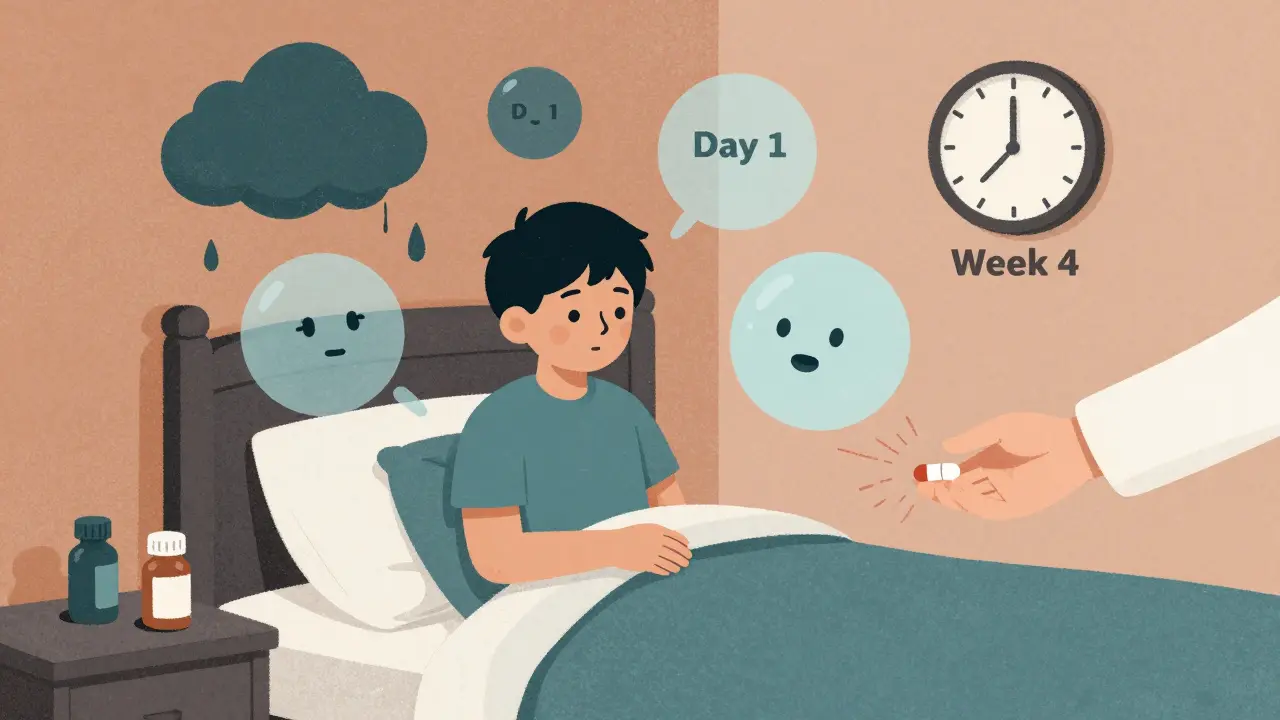
Adolescents and Psychiatric Medications: How to Monitor for Suicidal Ideation
Monitoring for suicidal ideation in adolescents on psychiatric medication is not optional-it's essential. Learn when risk peaks, what signs to watch for, and how to create a safety plan that works.
- Nov 24, 2025
- Posted by Cillian Osterfield
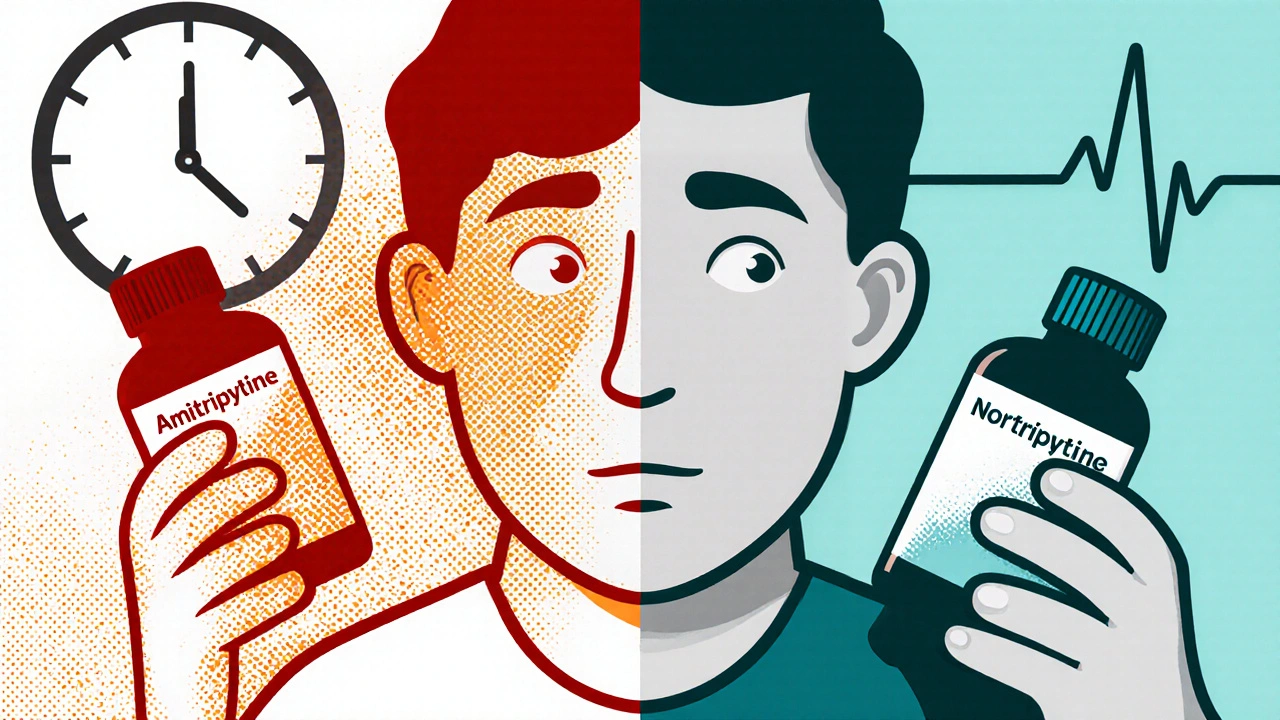
Tricyclic Antidepressant Side Effects: Amitriptyline, Nortriptyline, and More
Amitriptyline and nortriptyline are still used for depression and nerve pain, but their side effects-dry mouth, dizziness, heart risks, and confusion-are serious. Learn when they're worth the risk and how to use them safely.