
Hypertensive Crisis Drug Interaction Checker
This tool helps identify dangerous drug interactions that can cause a hypertensive crisis (systolic ≥180 mmHg or diastolic ≥120 mmHg). Enter medications you're taking to check for potential interactions. Note: This is not a substitute for professional medical advice.
Key Information
A hypertensive crisis is when blood pressure rises to 180/120 mmHg or higher. This is a medical emergency requiring immediate attention.
Warning signs: Severe headache, blurred vision, chest pain, shortness of breath, confusion.
If you experience these symptoms with high blood pressure, call 911 immediately. Do not wait.
A sudden spike in blood pressure isn’t just a bad day-it can be life-threatening. When your systolic pressure hits 180 mmHg or higher, or your diastolic climbs past 120 mmHg, you’re in a hypertensive crisis. And in many cases, it’s not caused by poor diet or stress. It’s caused by drugs you didn’t realize were dangerous together.
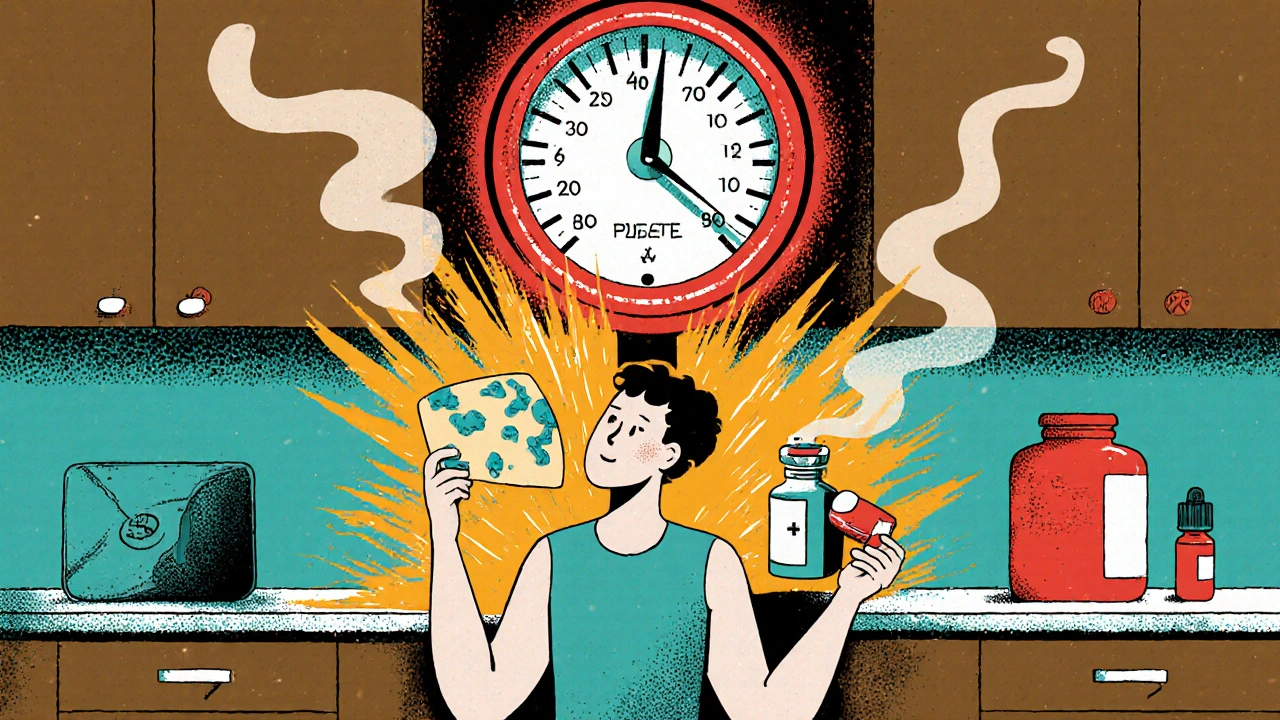
Think about this: someone takes their prescribed antidepressant, picks up a cold medicine at the pharmacy, eats a slice of aged cheese, and within an hour, they’re in the ER with a pounding headache, blurred vision, and chest pain. Their blood pressure? 220/130. This isn’t rare. It happens more often than you think. Drug interactions are behind 15% to 20% of all severe hypertensive crises, and many of these cases go undiagnosed because doctors don’t ask the right questions.
What Exactly Is a Hypertensive Crisis?
A hypertensive crisis isn’t just high blood pressure. It’s when your blood pressure rises so fast and so high that it starts tearing through your blood vessels, damaging your kidneys, brain, heart, or eyes. There are two types: urgency and emergency. Urgency means your numbers are sky-high but no organs are damaged yet. Emergency means your organs are already under attack-this is a code red situation.
The difference? One can wait a few hours for treatment. The other needs IV meds within minutes. If you’re experiencing severe headache, confusion, chest pain, shortness of breath, or vision changes along with high blood pressure, call 911. Don’t wait. Don’t drive yourself. This isn’t something you can treat at home.
Drugs That Can Trigger a Crisis
Not all medications are created equal when it comes to blood pressure. Some are silent killers when mixed with others-or even with common foods.
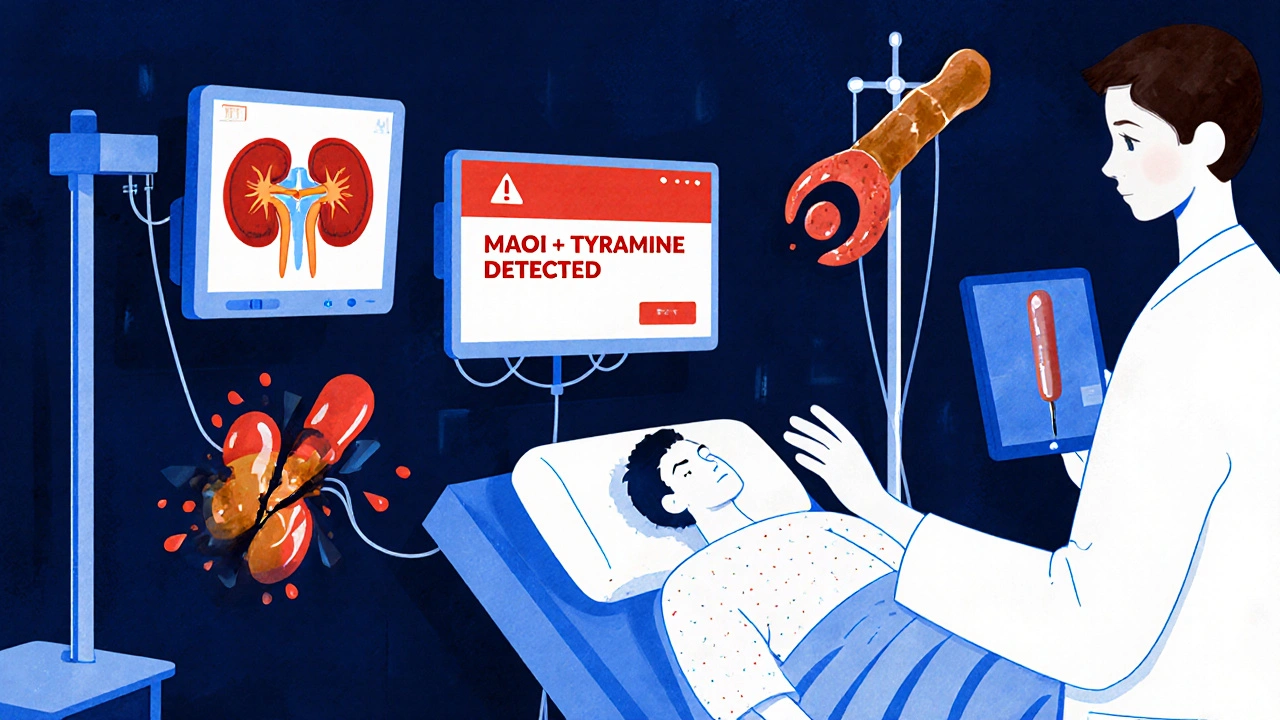
- MAOIs (Monoamine Oxidase Inhibitors) like phenelzine, tranylcypromine, and selegiline are antidepressants that block the breakdown of norepinephrine. If you eat tyramine-rich foods-aged cheese, cured meats, draft beer, soy sauce, or fermented products-you get a massive surge of norepinephrine. Blood pressure can jump 50 to 100 mmHg in under an hour. Case reports show systolic readings over 250 mmHg. Mortality without treatment? Up to 30%.
- Venlafaxine, an SNRI antidepressant, can raise diastolic pressure above 90 mmHg at doses over 300 mg/day. Many patients report headaches or dizziness early on, but doctors often dismiss it as "anxiety." By the time they’re admitted, their pressure is dangerously high.
- Cocaine combined with beta-blockers like propranolol is a deadly cocktail. Cocaine causes vasoconstriction. Propranolol blocks the heart’s ability to compensate. The result? Unopposed alpha-receptor stimulation. Blood pressure spikes to 220+ mmHg within minutes. This isn’t theoretical-it’s documented in ER logs.
- Cyclosporine, used after organ transplants, causes hypertension in up to half of patients. It reduces sodium excretion and triggers inflammation in blood vessels. Often mistaken for organ rejection, patients get more immunosuppressants-making the hypertension worse.
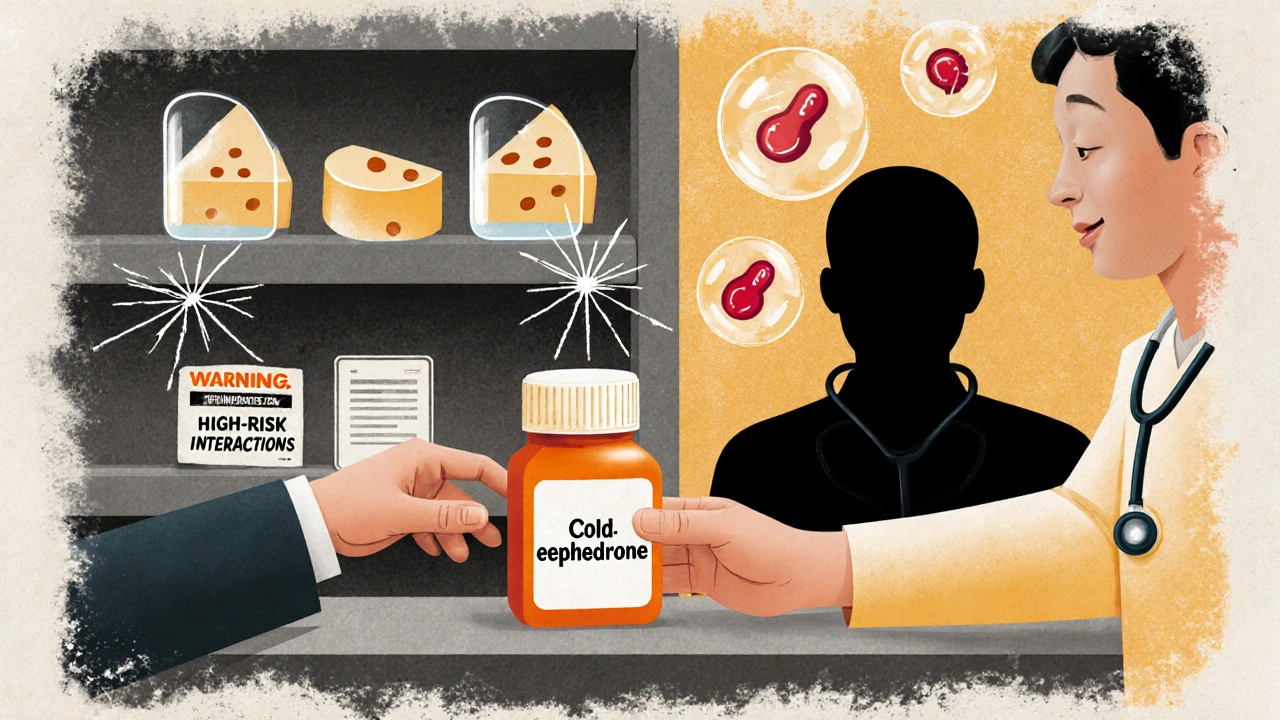
- Decongestants like pseudoephedrine and phenylephrine are in every cold aisle. They’re alpha-agonists. They constrict blood vessels. For someone on an antidepressant, a beta-blocker, or even just older, they can push blood pressure into emergency territory.
- Licorice candy-yes, candy. It contains glycyrrhizin, which blocks an enzyme that normally protects your body from cortisol acting like aldosterone. This causes sodium retention, low potassium, and fluid overload. One patient in a 2022 study had daily licorice root tea for months. His BP was 190/110. After quitting, it dropped to 120/80 in two weeks.
Why Doctors Miss These Interactions
Here’s the uncomfortable truth: most doctors don’t ask about over-the-counter meds, supplements, or dietary habits. A 2021 survey found 68% of patients who suffered a drug-induced crisis had mentioned unexplained headaches or vision changes to their doctor-but only 22% had their meds reviewed.
Why? Time. Pressure. Assumptions. A patient says, "I’m on Zoloft." The doctor checks for serotonin syndrome, not hypertension. They don’t ask if they’re taking Sudafed. Or eating blue cheese. Or using a nicotine patch. Or taking St. John’s Wort.
Even worse: 78% of high-risk medications have labeling that doesn’t clearly warn about hypertensive crisis potential. The FDA now requires black box warnings on MAOIs-but not on decongestants, weight-loss pills, or even some herbal products. The burden is on the patient to know.
Who’s at Highest Risk?
It’s not just people with existing hypertension. Even those with normal blood pressure can be hit hard.
- Patients on multiple medications (polypharmacy)-especially those over 65.
- People taking antidepressants, especially SNRIs or MAOIs.
- Transplant recipients on cyclosporine or tacrolimus.
- Those using stimulant weight-loss drugs like phentermine or phendimetrazine.
- People who self-medicate with OTC drugs, supplements, or herbal remedies.
- Anyone consuming licorice products regularly-even in small amounts.
Genetics also play a role. New research shows people with CYP2D6 gene variants metabolize certain antidepressants slower, leading to toxic buildup. These patients are 3.2 times more likely to have a severe reaction. Genetic testing isn’t routine yet-but it’s coming.
How to Prevent a Crisis
Prevention isn’t complicated. It just requires awareness.
- Know your meds. Make a list of every pill, patch, capsule, and supplement you take. Include OTC drugs, vitamins, and herbal teas.
- Ask your pharmacist. Not your doctor. Your pharmacist. They’re trained to spot interactions. Say: "I’m on [medication]. Is it safe to take [this] with it?"
- Read labels. If a cold medicine says "may raise blood pressure," it does. Avoid it.
- Be strict with MAOIs. No aged cheese, cured meats, tap beer, soy sauce, or fermented foods. Use an app like "MAOI Diet Helper"-it improved adherence by 78% in a Mayo Clinic trial.
- Monitor your BP. If you’re on venlafaxine over 225 mg/day, cyclosporine, or any stimulant, check your blood pressure weekly. Keep a log.
- Report side effects. If your BP spikes after starting a new drug, tell your doctor. File a report with MedWatch. One patient’s report led to the discovery of a new interaction between licorice and diuretics.
What to Do in an Emergency
If you or someone else is in a hypertensive emergency-systolic over 180, diastolic over 120, with symptoms like chest pain, confusion, or vision loss-call 911 immediately.
Emergency treatment depends on the cause:
- MAOI-tyramine crisis: IV phentolamine (5-15 mg) works in under 20 minutes with 92% success.
- Cocaine-induced: Benzodiazepines (like lorazepam) to calm the nervous system, then labetalol or nitroglycerin if needed.
- Cyclosporine-related: Calcium channel blockers like amlodipine or nifedipine are most effective.
- Mineralocorticoid excess (licorice, fludrocortisone): Stop the trigger. Fluids. Potassium. Blood pressure normalizes over days to weeks.
Don’t try to lower blood pressure too fast. Overly aggressive treatment can cause stroke or heart attack. The goal is gradual, controlled reduction under medical supervision.
The Future: Technology Is Helping
There’s hope. In January 2023, the FDA approved the first AI-powered decision-support tool designed to flag drug interactions that could cause hypertensive crisis. In trials, it cut MAOI-related emergencies by 40%.
Electronic health records are starting to integrate real-time interaction alerts. The NIH is testing a system called "Hypertension Interaction Alert" that analyzes 15,000+ known interactions with 92% accuracy. It’s not perfect-but it’s a start.
And in 2024, the American College of Cardiology will update guidelines to classify venlafaxine doses above 225 mg/day as "high risk," requiring quarterly BP checks. That’s progress.
Final Reality Check
Drug-induced hypertensive crisis is preventable. But only if you know what to look for.
It’s not about being paranoid. It’s about being informed. You wouldn’t take a pill without reading the label. Why take a new medication without asking how it interacts with the others?
Every year, $2.3 billion is spent in the U.S. on emergency visits for preventable drug-related crises. That’s not just money-it’s lives. People are dying because no one asked, "What else are you taking?"
Know your meds. Talk to your pharmacist. Monitor your blood pressure. Speak up when something feels wrong. Your life might depend on it.
Can over-the-counter cold medicine cause a hypertensive crisis?
Yes. Decongestants like pseudoephedrine and phenylephrine constrict blood vessels and can raise systolic pressure by 10-20 mmHg in susceptible people. When taken with MAOIs, antidepressants, or beta-blockers, they can trigger a life-threatening spike. Always check labels for "may raise blood pressure" warnings.
Is it safe to eat cheese while on an antidepressant?
Only if your antidepressant is not an MAOI. If you’re taking phenelzine, tranylcypromine, or selegiline, avoid aged cheeses like cheddar, parmesan, blue cheese, and Swiss. Even small amounts can trigger a crisis. Other antidepressants like SSRIs or SNRIs are generally safe with cheese.
How long does it take for blood pressure to return to normal after stopping a triggering drug?
It depends on the drug. For decongestants or cocaine, BP often normalizes within 6-12 hours. For MAOIs, it can take days after stopping the tyramine trigger. With licorice or mineralocorticoid effects, it may take weeks because the body retains excess sodium and fluid. Cyclosporine-induced hypertension can persist for months even after stopping the drug.
Can genetic testing predict if I’m at risk for a drug-induced crisis?
Yes, for some drugs. People with CYP2D6 gene variants metabolize certain antidepressants like venlafaxine and fluoxetine slower, leading to higher blood levels and increased risk of severe hypertension. Testing isn’t routine yet, but it’s being used in research and may become standard for high-risk patients.
What should I do if I suspect a drug interaction is raising my blood pressure?
Stop the suspected drug immediately if it’s OTC or herbal. For prescription meds, don’t stop without talking to your doctor. Record your blood pressure readings, note when symptoms started, and bring your full medication list to your provider. File a report with MedWatch-it helps others avoid the same danger.



9 comments
farhiya jama
Ugh, I just took Sudafed last week for my cold and didn’t think twice. Now I’m paranoid every time I sneeze. Thanks for the nightmare fuel, OP.
Astro Service
Why are we even talking about this? In America, we don’t need to worry about cheese or tea. We have doctors who know what they’re doing. Stop scaring people with foreign nonsense.
DENIS GOLD
Oh wow, so now we’re blaming the patient for eating cheese? Next you’ll say caffeine is a controlled substance. LOL. If your BP spikes because you had a sandwich, maybe don’t take MAOIs? Just a thought.
Ifeoma Ezeokoli
Y’all, I’m from Nigeria and we don’t even have access to half these meds, but I’ve seen friends in the States drop like flies from ‘just a cold pill.’ This is real. Please, if you’re on anything mental-health related, ask your pharmacist like your life depends on it-because it does. 💔🫂
Daniel Rod
It’s wild how we treat our bodies like machines that don’t have memory. A drug isn’t just a pill-it’s a conversation between your biology and the world around you. That cheese? That cold medicine? They’re not random. They’re echoes. And sometimes, those echoes scream.
I’ve watched my uncle go from ‘just a headache’ to ICU because no one asked about his licorice tea. He drank it every morning for years. Thought it was ‘natural.’
We need more compassion, not just more warnings. We need systems that listen, not just flags that blink.
And yes-yes, I’m saying this while sipping chamomile tea. 🌿
gina rodriguez
Thank you for writing this. I’ve been on venlafaxine for 3 years and never knew 225mg was the cutoff. I’ll start checking my BP weekly now. Small steps, right? 😊
Sue Barnes
If you can’t read a label or ask your pharmacist, maybe you shouldn’t be taking meds at all. This isn’t rocket science. Stop being lazy and take responsibility. Your life isn’t a Netflix plot.
jobin joshua
Bro, I take St. John’s Wort with my Zoloft and I’m fine 😎 But I also drink 3 cups of coffee and smoke. Maybe I’m just lucky? 🤷♂️
Sachin Agnihotri
Guys... I’m a pharmacist in Delhi, and I’ve seen this exact thing happen-patients on MAOIs eating paneer tikka, thinking ‘it’s just cheese’-and then collapsing. We don’t even have proper labeling here. Please, if you’re reading this: write down every single thing you put in your body. Even ‘natural’ stuff. Even ‘just a little.’ It adds up. And if you’re worried? Come talk to me. I’m not judging. I’ve seen too much to judge.