

Have you ever been told your doctor is switching your medication to something called a biosimilar? Maybe you’re worried it’s a cheaper, less reliable version of what you’ve been taking. You’re not alone. Many patients feel confused when they hear this term. But here’s the truth: biosimilars aren’t generic drugs. And they’re not experimental. They’re carefully tested, FDA-approved versions of complex biologic medicines - and they work just like the originals.
What’s a biologic drug anyway?
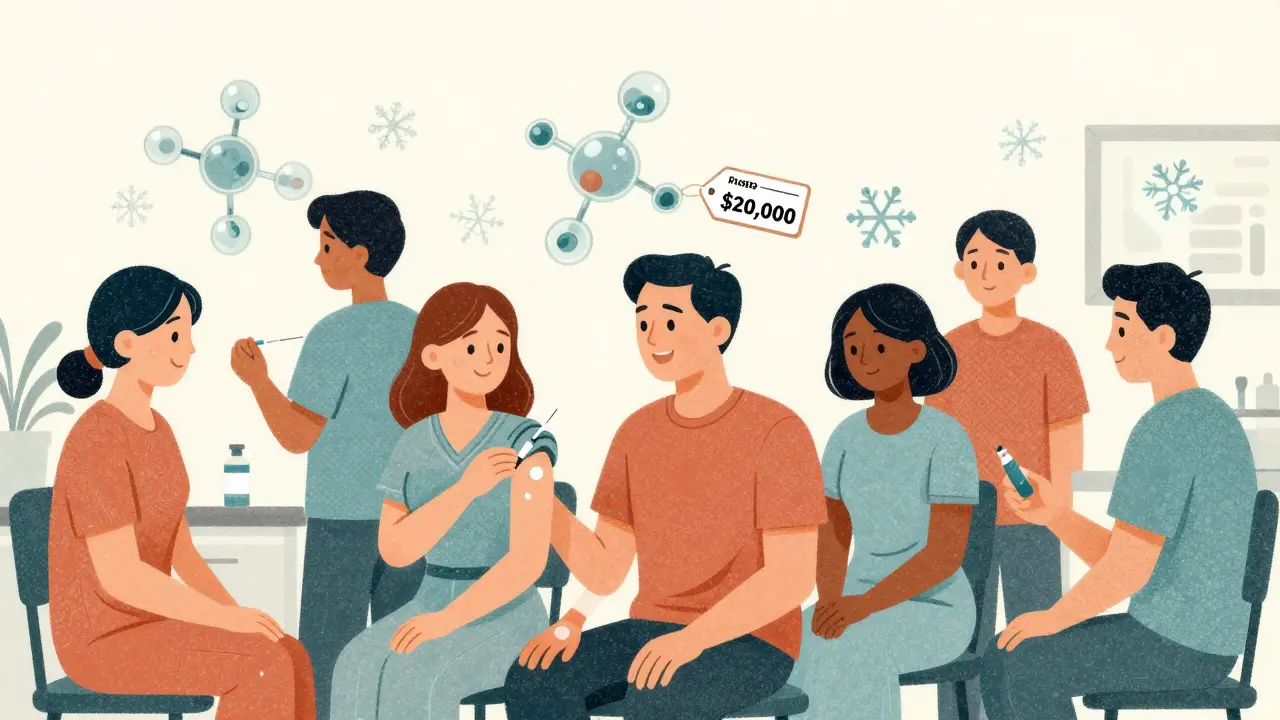
Before we talk about biosimilars, you need to know what biologics are. These aren’t the little pills you swallow. Biologics are made from living cells - human, animal, or even microbe cells - and they’re huge, complicated molecules. Think of them like a snowflake: no two are exactly alike, even if they’re made the same way. They’re used to treat serious conditions like rheumatoid arthritis, Crohn’s disease, psoriasis, cancer, and diabetes. Examples include Humira, Enbrel, and Herceptin.
Because they’re made from living systems, not chemicals, you can’t just copy them like you would a regular pill. A small-molecule drug like aspirin has one specific chemical structure. A biologic? It’s made of hundreds or thousands of amino acids, folded in precise ways, with sugar molecules attached. Even tiny changes in the manufacturing process - like using a different type of cell or changing the temperature during production - can affect how the drug works. That’s why making a copy isn’t simple.
What exactly is a biosimilar?
A biosimilar is a biologic drug that is highly similar to an already approved biologic - called the reference product. It’s not an exact copy. But it doesn’t need to be. The FDA requires that a biosimilar has no clinically meaningful differences from the original. That means:
- It works the same way in the body
- It treats the same conditions
- It has the same dose, strength, and way of giving it (injection, IV, etc.)
- It has the same safety profile - same side effects, same risks
To get approved, a biosimilar goes through years of testing. Scientists compare it to the original drug at the molecular level, run animal studies, and often do clinical trials with hundreds of patients. For example, the biosimilar Renflexis was tested in 541 patients with rheumatoid arthritis before approval. No surprises. No hidden risks.
The first biosimilar approved in the U.S. was Zarxio in 2015 - a copy of Neupogen, used to help cancer patients recover from chemotherapy. Since then, 41 biosimilars have been approved, with 32 available for use. And they’re not just for rare diseases. They’re now used for common conditions like arthritis, diabetes, and even eye disease.
Biosimilar vs generic: what’s the difference?
This is where things get mixed up. People think biosimilars are like generics. They’re not.
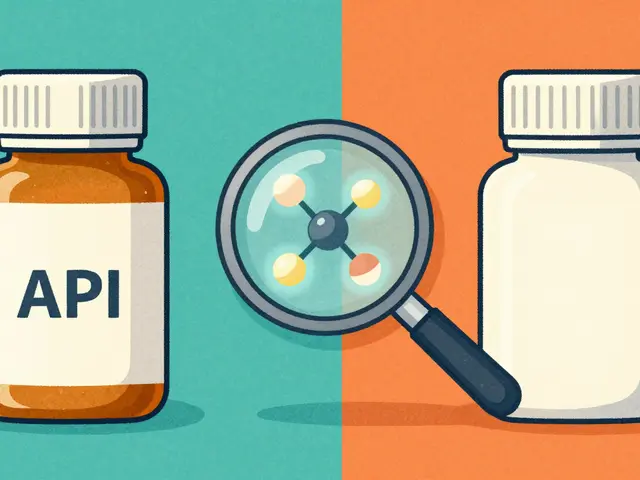
Generics are exact chemical copies of small-molecule drugs. Take ibuprofen. The brand name is Advil. The generic is just ibuprofen. Same molecule. Same atoms. Same everything. You can make it in a lab with chemicals, and it’s identical.
Biosimilars? They’re made from living cells. You can’t make an exact copy. Even if two companies use the same instructions, their biosimilars might have tiny differences - like slightly different sugar attachments. But here’s the key: those differences don’t affect how the drug works in your body. That’s why the FDA calls them “highly similar,” not “identical.”
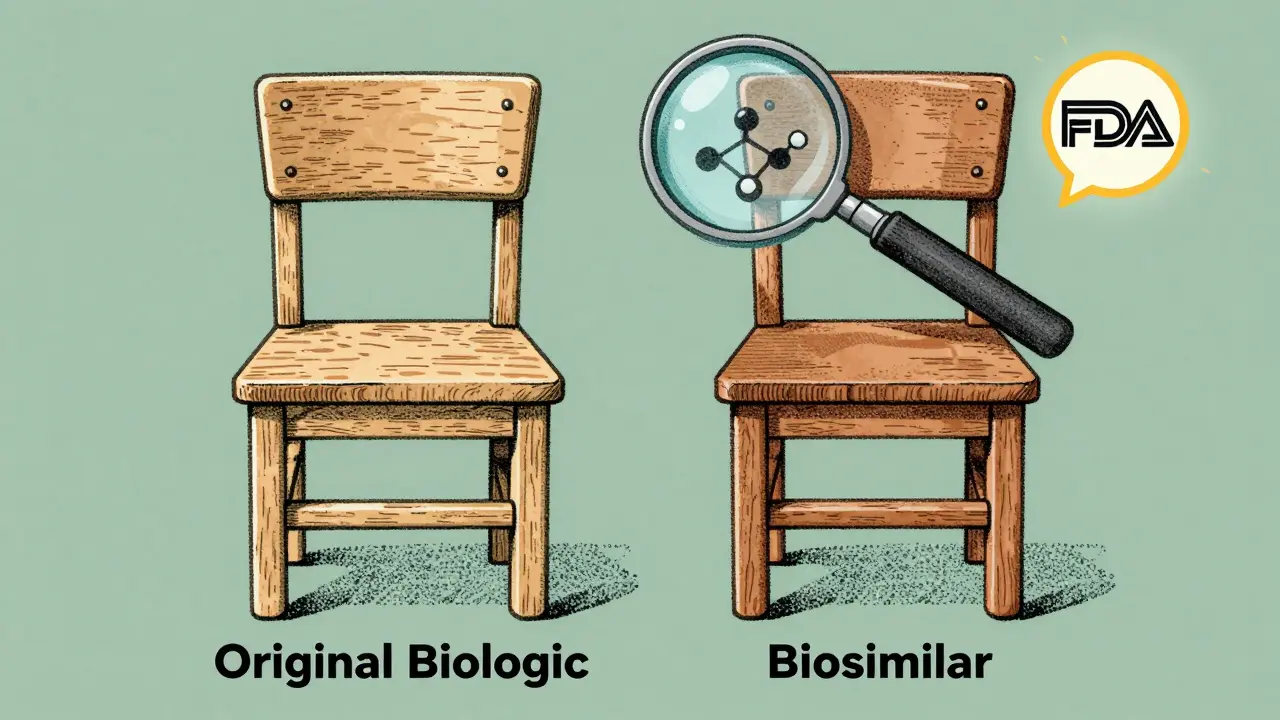
Think of it like two handmade wooden chairs. They’re built from the same design, same wood, same tools. One might have a slightly different finish. But both hold you up the same way. That’s a biosimilar.
Are biosimilars safe?
Yes. And the data backs it up.
Europe has been using biosimilars for over 15 years. Millions of patients have taken them. No new safety issues have popped up. In the U.S., studies show patients switching from the original biologic to a biosimilar have the same outcomes - same disease control, same side effects, same hospital visits.
The FDA doesn’t approve a biosimilar unless it proves it’s as safe and effective as the original. They monitor every batch. They track every reported side effect. If something unusual happens, they investigate - fast.
Experts from the American Cancer Society, the Arthritis Foundation, and the FDA all say the same thing: approved biosimilars are just as safe as the brand-name biologics.
Will it cost less?
Usually, yes. Biosimilars typically cost 15% to 30% less than the original biologic. That’s not as big a discount as generics (which can be 80% cheaper), but it still adds up. For drugs that cost $20,000 a year, a 20% saving means $4,000 back in your pocket - or your insurance’s.
Some insurance plans now require you to try a biosimilar first before covering the brand-name drug. That’s not because they think it’s inferior - it’s because they know it works just as well and costs less. It’s a way to make care more affordable.
How do you know if you’re getting a biosimilar?
Biosimilars have different names than the original. The generic name is the same, but with a four-letter suffix added. For example:
- Original: infliximab (Remicade)
- Biosimilar: infliximab-dyyb (Renflexis)
This isn’t random. It helps doctors, pharmacists, and insurers track which version you’re taking. If you see a new name on your prescription, don’t panic. It’s just how they’re labeled.
Your doctor will decide if a biosimilar is right for you. But if you’re already stable on a biologic, you can usually stay on it. Switching isn’t required - it’s an option.
What about interchangeable biosimilars?
There’s a special category called “interchangeable” biosimilars. These are approved to be swapped for the original drug without the doctor’s permission - just like generics. The first one approved was Semglee, an insulin glargine biosimilar, in 2021. More are coming. When you see “interchangeable” on the label, it means the FDA has extra confidence that switching back and forth won’t affect your health.
What should you do as a patient?
- Ask your doctor: “Is there a biosimilar option for my treatment?”
- Check with your pharmacist: “Is this a biosimilar?”
- Don’t switch on your own. Always talk to your provider before changing meds.
- Keep taking your medicine as prescribed. Biosimilars aren’t experimental - they’re proven.
- Report any side effects. Your feedback helps keep everyone safe.
Biosimilars aren’t about cutting corners. They’re about giving more people access to life-changing treatments without sacrificing safety. They’ve been tested more than most drugs you’ve ever taken. And they’re helping reduce the cost of care - for you, your family, and the whole system.
If you’ve been on a biologic for years, your body knows how it works. If you switch to a biosimilar, your body won’t notice a difference - because there isn’t one.


14 comments
Dylan Patrick
This is actually one of the clearest explanations I've ever read. Biosimilars aren't 'cheap knockoffs'-they're science done right. I switched from Humira to its biosimilar last year and haven't had a single flare-up. Same injection, same results. Why pay more when it's identical?
Kathy Leslie
I was terrified when my doctor mentioned switching. My mom had a bad reaction to a 'generic' once and I thought this was the same thing. But after reading this, I feel way better. Thanks for breaking it down so simply.
Serena Petrie
Biosimilars are fine.
Leah Dobbin
I must say, I'm rather underwhelmed by the tone of this piece. It reads like a pharmaceutical industry pamphlet. The FDA’s approval standards, while technically rigorous, are still based on statistical equivalence-not biological identity. And let’s not pretend the cost savings aren’t being used to justify forced switches that ignore patient autonomy. There’s a reason Europe has stricter post-market surveillance. We’re being sold a narrative disguised as science.
Ali Hughey
🚨 ALERT 🚨
Did you know? Biosimilars are just the first step to FULLY replacing biologics with lab-grown synthetic versions controlled by Big Pharma and the WHO! 🧬
They're already embedding tracking chips in the vials-look at the four-letter suffix! It's not for identification-it's a serial number! 📊
My cousin's rheumatoid arthritis got worse after switching. They deleted his records. I found the original trial data on a dark web forum. The side effects were buried. 😱
And don't get me started on how the FDA 'approved' them with 'clinical meaningful differences'-that's just corporate speak for 'we don't care if you get cancer later.'
They're using your insulin to build a biometric database. I've seen the patent filings. 📄
Ask yourself: Why is Semglee the first 'interchangeable'? Because it's the gateway drug to mandatory substitution. 🤖
Someone's gotta wake people up. This isn't medicine-it's a control system. 💉👁️
Alex MC
I appreciate the clarity here. It's easy to fear what we don't understand. The fact that biosimilars have been used safely in Europe for over a decade should give us all pause before jumping to conclusions. I've seen patients thrive after switching-no complications, no surprises. Sometimes progress isn't flashy. It's just... consistent.
rakesh sabharwal
The entire biosimilar paradigm is a regulatory arbitrage. The FDA's 'highly similar' threshold is laughably lax when you consider the structural heterogeneity of monoclonal antibodies. Glycosylation profiles alone vary by up to 12% between manufacturers-this isn't chemistry, it's stochastic biology. And yet, we're told to treat them as interchangeable? That's not science. That's cost-driven policy masquerading as clinical equivalence. The data is cherry-picked. The long-term immunogenicity risks? Unquantified. This is how pharmaceutical capitalism colonizes therapeutic innovation.
Aaron Leib
I've been a nurse for 18 years. I've watched patients switch to biosimilars. I've seen the fear. I've seen the relief. I've seen the bills get lower. The science is solid. Trust the process. Your body won't know the difference.
Amisha Patel
I'm curious-do biosimilars work the same for everyone? I've heard some people have different reactions even to the same biologic over time. Is that considered when approving them?
tynece roberts
i just wanted to say i was so scared when they switched me to the biosimilar last year. like, i thought it was gonna be some sketchy knockoff. but honestly? i didn't notice anything different. same injection, same results, same less-broke feeling. also the name on the bottle is weird but whatever. my pharmacist said the four letters are just for tracking. i trust her. she's cool. 🤷♀️
Jimmy V
The real win here? Biosimilars are breaking the monopoly grip on biologics. Humira was $70K/year. Now the biosimilar? $45K. That’s not a drop-it’s a landslide. Pharma’s profits are shrinking. Patients are winning. And guess who’s panicking? The same ones who called generics 'inferior' back in the '90s. History repeats. This time, we’re ready.
Richard Harris
I've been on a biosimilar for two years now. No issues. My rheumatologist said the data is stronger than for many brand-new drugs. I'm not a scientist, but I trust the process. Also, my co-pay dropped from $120 to $40. That's not magic-that's justice.
Elsa Rodriguez
I can't believe people are still falling for this. My sister had a life-threatening reaction to a biosimilar. They called it 'idiosyncratic'. I call it negligence. And now they're pushing them on everyone like they're candy. This isn't healthcare-it's a numbers game. And we're the numbers. 💔
Kandace Bennett
I'm so proud of American innovation. We're leading the world in biosimilar access. Europe? Still stuck in 2008. China? Copying. But here? We have the strictest standards, the most transparency, and the lowest prices. If you're not on a biosimilar yet, you're leaving money on the table-and possibly better care. This is what American science looks like. 🇺🇸🔥