Tricyclic Antidepressants: What They Are, How They Work, and What You Need to Know
When doctors talk about tricyclic antidepressants, a class of prescription medications used to treat depression and certain types of chronic pain. Also known as TCAs, they were among the first drugs developed to help with mood disorders and still have a place in treatment today, especially when newer options don’t work. Unlike SSRIs or SNRIs, which target just one or two brain chemicals, tricyclics affect multiple neurotransmitters at once—mainly serotonin and norepinephrine. That broader action can make them more effective for some people, but it also means more side effects.
These drugs aren’t usually the first choice anymore, but they’re not outdated either. For someone with severe depression that hasn’t responded to other meds, or for patients dealing with nerve pain from diabetes or shingles, tricyclic antidepressants, a class of prescription medications used to treat depression and certain types of chronic pain. Also known as TCAs, they were among the first drugs developed to help with mood disorders and still have a place in treatment today, especially when newer options don’t work. can be a game-changer. Common ones include amitriptyline, nortriptyline, and imipramine. Each has slightly different effects: some make you drowsy, others are less sedating. That’s why picking the right one isn’t just about the diagnosis—it’s about your lifestyle, sleep habits, and other health issues.
Side effects are real and often the reason people stop taking them. Dry mouth, constipation, blurred vision, weight gain, and dizziness are common. Older adults are especially sensitive to heart rhythm changes and falls from low blood pressure. That’s why doctors monitor closely, especially at first. Still, for many, the trade-off is worth it. Some patients say these older drugs lifted their depression when nothing else did. And unlike some newer antidepressants, TCAs don’t usually cause sexual side effects in everyone—though they can in some.
They also aren’t just for depression. Doctors use them off-label for migraines, chronic back pain, and even bedwetting in kids. That’s because they calm overactive nerves. If you’ve been told your pain is "functional" or "nerve-related," a TCA might be part of the answer. But they’re not magic pills. They take weeks to work, and you can’t just quit cold turkey. Stopping suddenly can cause withdrawal symptoms like nausea, headaches, or even a rebound in depression.
What you won’t find in this collection are flashy ads or hype. Instead, you’ll see real discussions about how these drugs actually perform in everyday life—what works, what doesn’t, and what surprises patients. You’ll find posts on how they compare to newer meds, how to handle side effects at home, and why some people stick with them despite the drawbacks. You’ll also see how they interact with other drugs, like statins or painkillers, and what to watch for if you’re older or managing multiple conditions.
There’s no one-size-fits-all when it comes to antidepressants. But if you’re wondering whether tricyclic antidepressants could still be relevant for you—or someone you care about—what follows is a practical, no-fluff look at the facts, the trade-offs, and the real stories behind the prescription bottle.
- Nov 24, 2025
- Posted by Cillian Osterfield
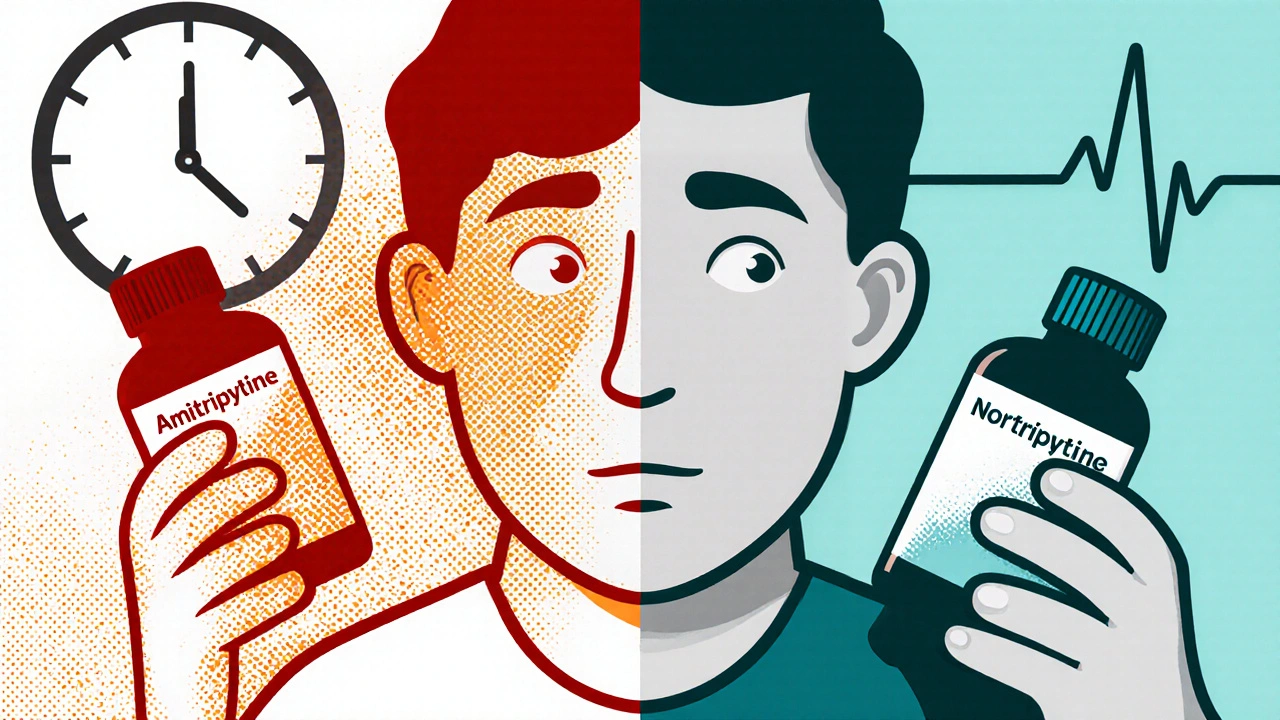
Tricyclic Antidepressant Side Effects: Amitriptyline, Nortriptyline, and More
Amitriptyline and nortriptyline are still used for depression and nerve pain, but their side effects-dry mouth, dizziness, heart risks, and confusion-are serious. Learn when they're worth the risk and how to use them safely.