Sulfonylureas: What They Are, How They Work, and What You Need to Know
When you have sulfonylureas, a class of oral medications used to treat type 2 diabetes by stimulating the pancreas to release more insulin. Also known as sulfa drugs, they’ve been around since the 1940s and are still used today because they’re cheap, effective, and well-understood. If you’ve been prescribed one—like glipizide, glyburide, or glimepiride—you’re not alone. Millions of people with type 2 diabetes take them daily to keep blood sugar in range.
But sulfonylureas don’t fix the root problem. They don’t improve insulin sensitivity or reduce liver sugar production. They just push your pancreas to make more insulin. That’s why they work best in people whose pancreas still has some function—usually early or middle-stage type 2 diabetes. They’re not for type 1 diabetes, and they’re not magic. If your body’s insulin factories are worn out, these pills won’t bring them back.
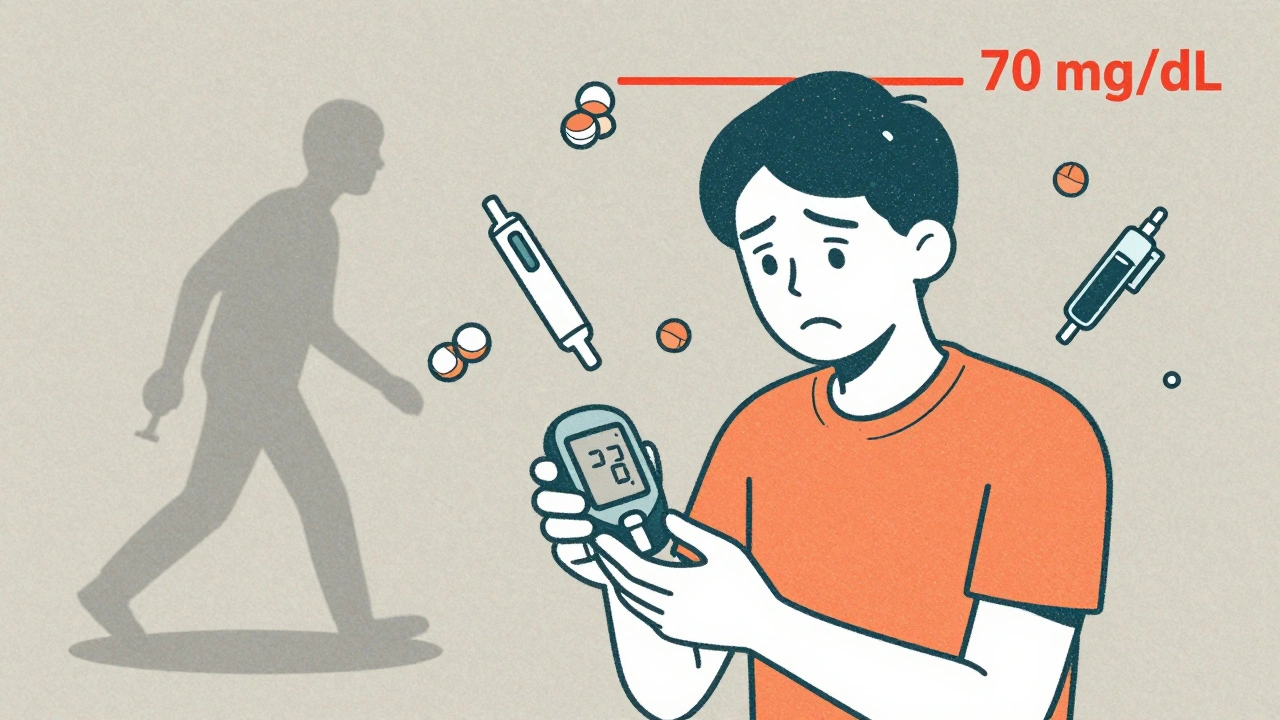
One big risk? Low blood sugar. Because sulfonylureas force insulin out no matter what, your sugar can drop dangerously low if you skip a meal, exercise more than usual, or drink alcohol. Older adults are especially at risk. That’s why doctors often start with low doses and watch closely. Another issue? Weight gain. More insulin means your body stores more fat. And over time, some people find these drugs lose their punch—the pancreas gets tired, and sugar creeps back up.
They’re not the first choice anymore. Newer drugs like metformin, SGLT2 inhibitors, and GLP-1 agonists do more than just lower sugar—they protect the heart, help with weight loss, and don’t cause lows as often. But sulfonylureas still have a place. In places where cost matters most. In people who can’t afford newer meds. Or when other drugs don’t work.
You’ll find posts here that dig into real-world issues: how refill labels affect your ability to stay on track, why some people stop taking these pills because of side effects, how aging changes your response to them, and what happens when they mix with other drugs. You’ll also see how cultural beliefs shape whether people trust generics of these drugs, and how manufacturing flaws can impact safety—even for a medication this old.
There’s no single answer to whether sulfonylureas are right for you. But knowing how they work, what they can and can’t do, and what risks to watch for gives you the power to ask better questions—and make smarter choices with your doctor.
- Dec 4, 2025
- Posted by Cillian Osterfield
Managing Hypoglycemia from Diabetes Medications: A Practical Step-by-Step Plan
Learn how to prevent and treat low blood sugar caused by diabetes medications like insulin and sulfonylureas. This practical guide covers risk factors, emergency treatment, tracking patterns, and new technologies to stay safe.