Stimulants: What They Are, How They Work, and What You Need to Know
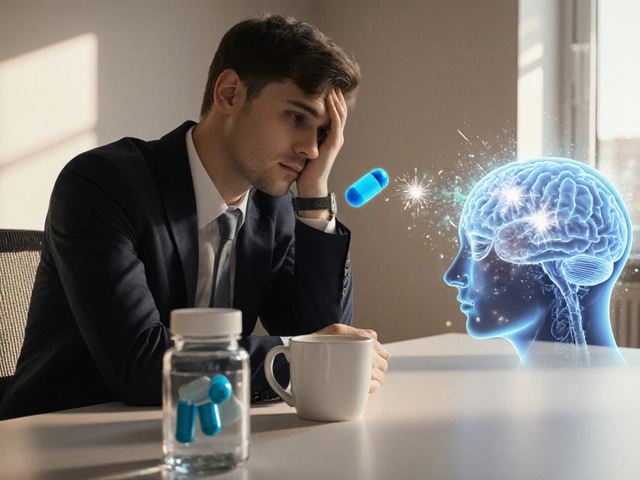
When you hear the word stimulants, drugs that increase alertness, attention, and energy by boosting activity in the central nervous system. Also known as CNS stimulants, they are prescribed for conditions like ADHD and narcolepsy, but also misused for focus, weight loss, or staying awake. These aren’t just coffee or energy drinks—they’re powerful chemicals that change how your brain sends signals. And unlike caffeine, many prescription stimulants have a real risk of dependence, heart problems, and serious side effects if not used exactly as directed.
One of the most common prescription stimulants, medications like methylphenidate and amphetamine derivatives used to treat attention disorders. Also known as ADHD medication, they help people focus by increasing dopamine and norepinephrine in the brain. But they’re not magic pills. A 2023 study found that nearly 40% of people taking them for ADHD still struggle with sleep, appetite loss, or mood swings. And when mixed with other drugs—like antidepressants, painkillers, or even some herbal teas—the results can be deadly. That’s why drug interactions are one of the biggest hidden dangers. You might think a little extra focus is worth it, but if your blood pressure spikes or your heart starts racing, it’s not worth the risk.
Not everyone who uses stimulants has ADHD. Some take them to pull all-nighters, lose weight, or chase a high. That’s where things get messy. The line between medical use and misuse is thin, and the body doesn’t care why you took it—it reacts the same way. Over time, tolerance builds. You need more to get the same effect. Then comes withdrawal: fatigue, depression, intense cravings. And if you’re taking them without a prescription, you’re also risking counterfeit pills that might contain deadly substances like fentanyl.
What you’ll find in the posts below isn’t just a list of drugs. It’s real-world advice from people who’ve dealt with the consequences. You’ll read about how stimulants interact with other medications, how they affect sleep and heart health, and why some people end up in the ER after mixing them with over-the-counter cold meds. There’s no fluff. Just facts about what works, what doesn’t, and what you absolutely shouldn’t try at home.

- Dec 1, 2025
- Posted by Cillian Osterfield
Stimulants and Cardiac Arrhythmias: How to Assess Risk and Find Safer Alternatives
Stimulants for ADHD can improve focus but carry a small risk of cardiac arrhythmias. Learn who's at risk, how doctors assess heart health, and what non-stimulant alternatives work when safety comes first.