Patient Adherence: Why Taking Medications as Prescribed Matters
When you're told to take a drug every day, patient adherence, the extent to which a person follows their prescribed treatment plan. Also known as medication compliance, it's not just about remembering your pills—it's about keeping your body working the way it needs to. Skip a dose here, forget a week there, and suddenly the whole plan falls apart. It’s not laziness. It’s not stupidity. It’s often confusion, cost, side effects, or just life getting in the way.
Think about statin dosing schedule, when and how cholesterol meds are taken to maximize benefit. For most people, morning or night doesn’t matter—patient adherence does. Take it at 8 a.m. every day? Great. Take it randomly? You’re not getting the full benefit, even if the pill is perfect. Same goes for metformin, a common diabetes drug that needs consistent timing to manage blood sugar. Fatigue from metformin? That’s a side effect. But stopping it because you feel tired? That’s a risk to your heart, kidneys, and long-term health. And then there’s azathioprine, a slow-acting immunosuppressant used for lupus that only works if taken daily, month after month. Skip a few doses, and your flare-up could land you in the hospital.
It’s not just about pills. It’s about drug interactions, how medications react with food, other drugs, or even herbal teas. You take your blood thinner, then drink green tea every morning—suddenly your INR spikes. You’re not being careless; you just didn’t know. That’s why patient adherence isn’t just about remembering to take your medicine—it’s about understanding why, when, and how it works with everything else in your life. And it’s why so many people struggle: no one ever taught them how to make it stick.
Real people miss doses because they’re afraid of side effects, because the pill costs too much, because they feel fine and think they don’t need it anymore. But stopping early—even for a few days—can undo months of progress. That’s true for antibiotics, antidepressants, blood pressure meds, even insulin. The science is clear: patient adherence is the single biggest factor in whether a treatment succeeds or fails. And yet, most doctors never ask, "Are you taking it like I told you?" They assume. You assume it’s fine. And then the problem gets worse.
Below, you’ll find real stories and hard facts about what happens when adherence breaks down—from dangerous drug interactions and manufacturing defects that make pills unreliable, to how age, travel, and even social media misinformation make it harder than ever to stay on track. You’ll see how people manage insulin in freezing weather, why herbal teas can sabotage statins, and how a simple change in routine can turn a life-saving drug into a dangerous gamble. This isn’t theory. It’s what happens in kitchens, cars, and pharmacies every single day. And you’re not alone if you’ve ever skipped a pill. But now you know why it matters more than you thought.

- Dec 1, 2025
- Posted by Cillian Osterfield
Multicultural Perspectives on Generics: How Culture Affects Patient Trust and Adherence
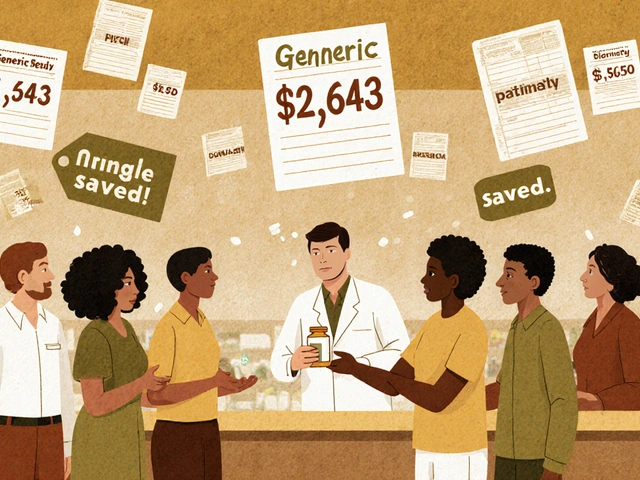
Cultural beliefs about pill appearance, ingredients, and trust shape how patients use generic medications. Learn why color, gelatin, and language matter-and how healthcare providers can improve adherence across diverse communities.