Levocetirizine: What It Is, How It Works, and What You Need to Know
When you're stuck with runny nose, itchy eyes, or sneezing that won't quit, levocetirizine, a second-generation antihistamine used to treat allergic symptoms. Also known as Xyzal, it's one of the most commonly prescribed medications for year-round or seasonal allergies. Unlike older antihistamines that make you drowsy, levocetirizine works hard to block histamine without knocking you out—most people barely notice it’s even in their system.
It’s not just for sneezing. allergic rhinitis, inflammation of the nasal passages caused by allergens like pollen or dust is its main target. But it also helps with chronic urticaria, long-lasting hives that itch and swell without a clear trigger. Doctors often choose it because it lasts 24 hours, so one pill a day usually does the job. It’s not a cure, but it keeps symptoms under control so you can live normally—no more rubbing your eyes at work or canceling plans because your nose won’t stop running.
Like all meds, it’s not without trade-offs. Some people get mild side effects—dry mouth, tiredness, or headache. These usually fade after a few days. Rarely, it can cause dizziness or even mood changes, especially in older adults or those taking other meds. That’s why you shouldn’t mix it with alcohol or sedatives. If you’re on kidney medication or have trouble filtering waste, your doctor might lower your dose. It’s safe for most adults and kids over six, but always check with a professional before starting.
What you won’t find in the bottle is how it stacks up against similar drugs. Levocetirizine is the active part of cetirizine (Zyrtec)—so it’s basically the same medicine, just purified. Some studies show it works slightly better with fewer side effects, but the difference is small. For most people, cost and availability matter more than tiny improvements. If you’ve tried other antihistamines and they didn’t help or made you sleepy, levocetirizine might be your next step.
Below, you’ll find real-world advice from people who’ve used it, doctors who prescribe it, and studies that compare it to alternatives. You’ll learn how to spot when it’s not working, what to do if you miss a dose, how it interacts with other drugs, and why some people swear by it while others don’t feel a thing. This isn’t marketing. It’s what actually happens when people take this pill day after day.
- Dec 9, 2025
- Posted by Cillian Osterfield
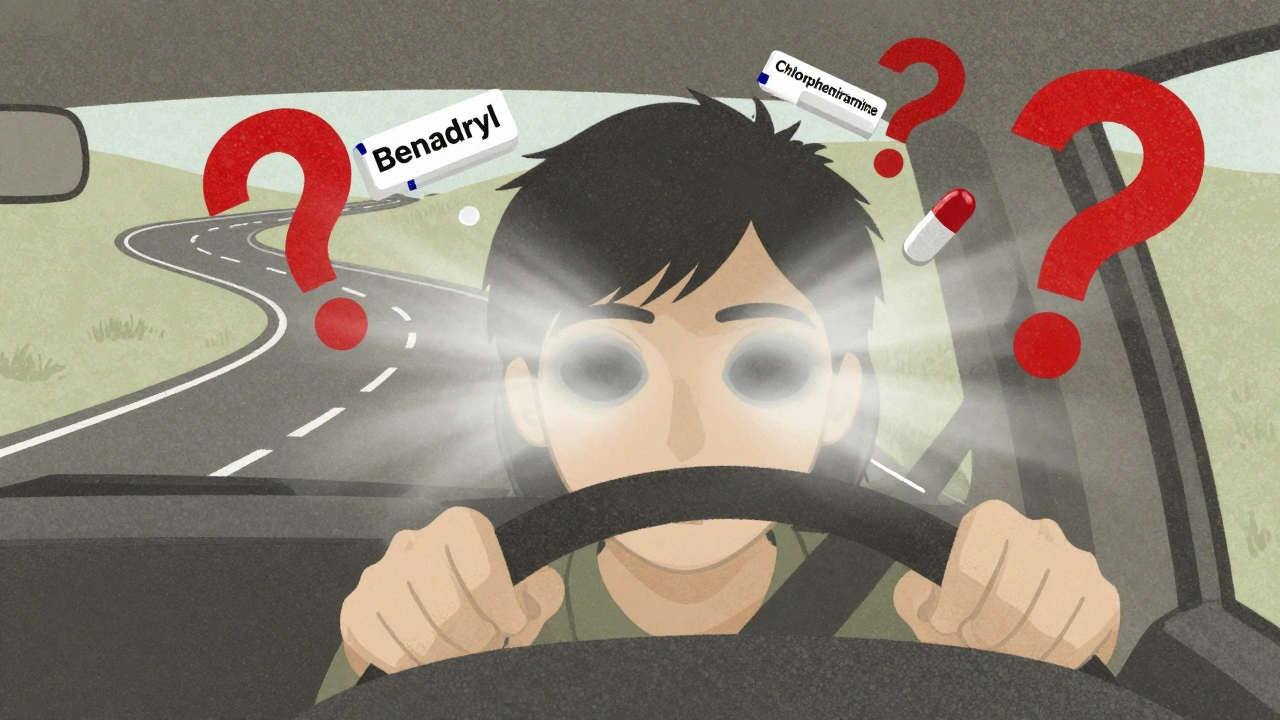
Antihistamines and Driving: What You Need to Know for Safety and Legal Compliance
Many antihistamines impair driving ability-even those labeled 'non-drowsy.' Learn which ones are safe, which are dangerous, and how to protect yourself and others on the road.