Growth Hormone Excess: Causes, Symptoms, and What You Need to Know
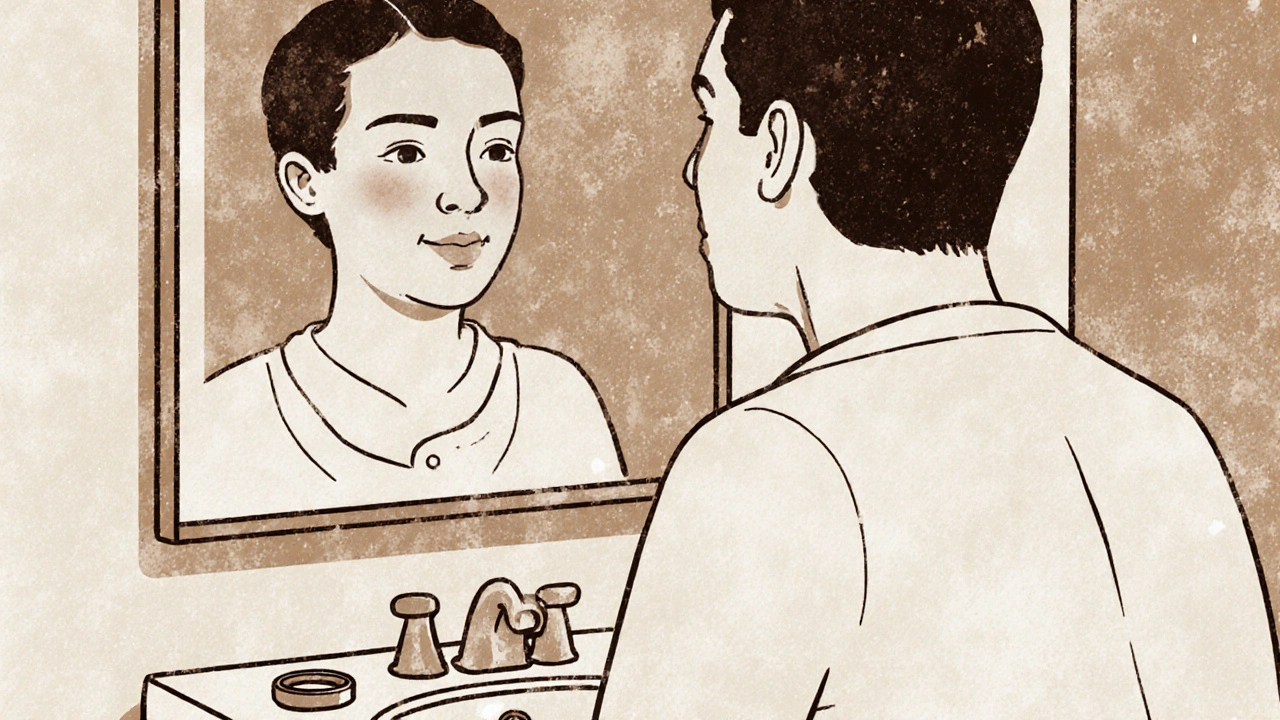
When your body makes too much growth hormone excess, a condition where the pituitary gland produces abnormally high levels of growth hormone, often due to a benign tumor. Also known as acromegaly, it doesn’t just make you taller—it changes your bones, organs, and metabolism in ways you can’t ignore. Most cases start slowly, often going unnoticed for years until your rings don’t fit, your shoes feel tight, or your jaw seems to have grown out of nowhere.
This isn’t just about appearance. acromegaly, a disorder caused by prolonged growth hormone excess, leading to enlarged hands, feet, and facial features raises your risk for high blood pressure, diabetes, heart disease, and even colon polyps. The root cause? In over 95% of cases, it’s a harmless-looking pituitary tumor, a noncancerous growth on the pituitary gland that overproduces growth hormone. But because it’s tucked deep inside your brain, symptoms sneak up on you. You might blame joint pain on aging, fatigue on stress, or snoring on weight—until tests reveal the real problem.
What makes growth hormone excess tricky is how it talks to other systems. It boosts insulin-like growth factor, a protein produced by the liver in response to growth hormone that mediates many of its effects on tissue growth, which then drives cell growth everywhere—from your skin to your heart muscle. That’s why people with untreated excess often develop thickened skin, enlarged organs, and high blood sugar. It’s not magic—it’s biology gone off track.
And it’s not rare. About 3 to 4 in every 100,000 people live with it. Many go undiagnosed because doctors don’t always connect the dots. If you’ve had unexplained joint pain, swollen hands, or changes in your face over several years, it’s worth asking. Blood tests for IGF-1 and growth hormone levels, plus an MRI of the pituitary, can confirm it fast.
Thankfully, treatment works. Surgery to remove the tumor is often the first step. If that’s not enough, medications can block hormone production or shut down its effects. Radiation is an option too, but it takes years to work. The goal isn’t just to shrink a tumor—it’s to stop the damage before it turns into heart failure, diabetes, or arthritis.
What you’ll find below are real stories and clear guides from people who’ve faced this. Some explain how they spotted the signs before it was too late. Others break down the meds, the side effects, and what life looks like after diagnosis. You’ll see how growth hormone excess connects to diabetes, sleep apnea, and even vision problems. No fluff. No jargon. Just what you need to know—if you or someone you care about is dealing with this.
- Nov 17, 2025
- Posted by Cillian Osterfield
Acromegaly: Understanding Excess Growth Hormone and Modern Treatment Options
Acromegaly is a rare hormonal disorder caused by excess growth hormone, leading to physical changes and serious health risks. Learn how it's diagnosed, treated with surgery, medication, or radiation, and why early intervention saves lives.