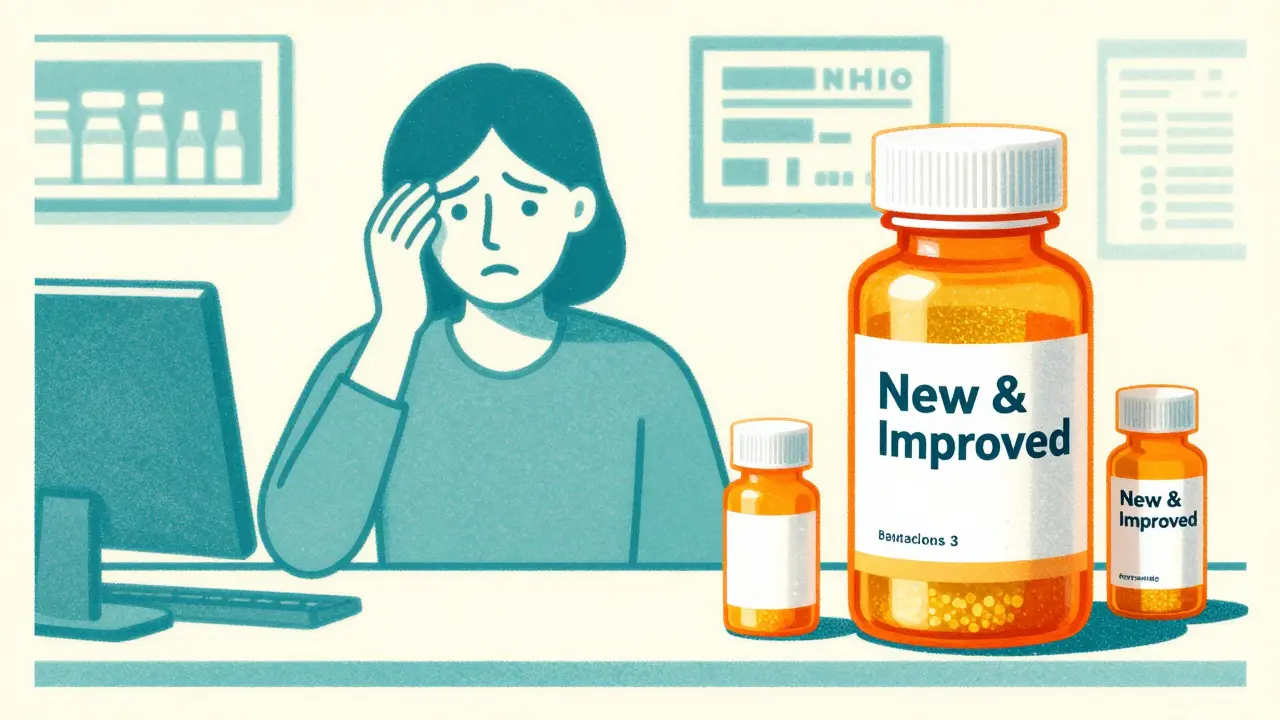
Imagine you've been taking a brand-name medication for years. The patent is about to expire, which usually means a cheaper generic version will hit the shelves soon. But suddenly, your doctor tells you that the original drug is being discontinued. They suggest a "new and improved" version instead. You switch, and you're happy-until you realize the new version is just a slightly different pill that costs three times as much, and it's specifically designed to stop your pharmacist from switching you to a generic. This isn't just a business strategy; it's a legal battlefield known as product hopping.
The core of the problem lies in how generic substitution works. In most states, pharmacists can automatically swap a brand-name drug for a bioequivalent generic to save the patient money. However, some pharmaceutical companies have found a way to cheat this system. By manipulating the market, they prevent generics from ever getting a foothold, keeping drug prices artificially high for millions of people.
| Tactic | How it Works | Goal |
|---|---|---|
| Hard Switching | Withdrawing an old drug right before the generic launch. | Kill the market for the generic version. |
| REMS Abuse | Blocking generic firms from getting drug samples for testing. | Prevent the FDA from approving the generic. |
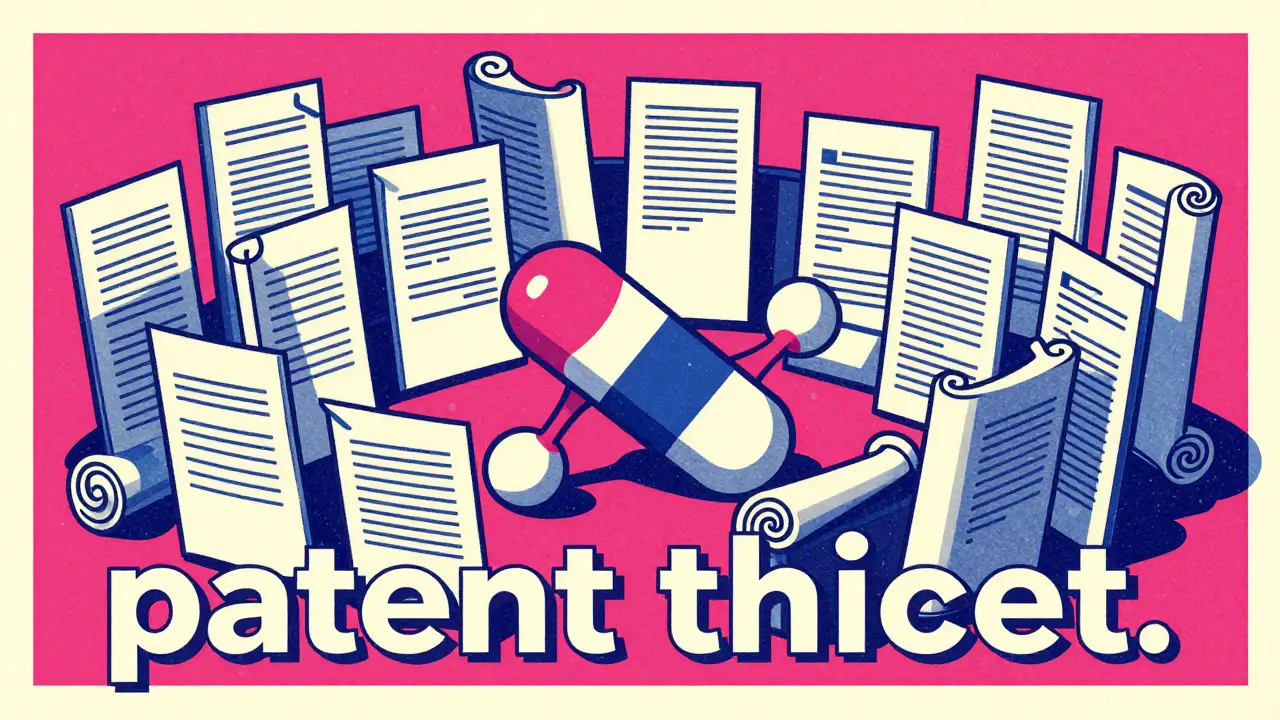
| Patent Thickets | Filing dozens of minor patents around one drug. | Delay generic entry through endless litigation. |
The Game of Product Hopping
Product hopping, or "hard switching," is a maneuver where a brand-name manufacturer introduces a slightly modified version of a drug-like an extended-release tablet-just as the patent on the original version is expiring. They then pull the original drug off the market. Why? Because state substitution laws usually only allow a pharmacist to swap a generic for the *exact* version prescribed. If the doctor prescribes the new "XR" version and the generic only exists for the "IR" (immediate release) version, the pharmacist can't make the switch.
This creates a massive hurdle for generic companies. They can't just rely on the pharmacy to steer patients toward the cheaper option; they would have to spend millions on advertising to convince doctors to change their prescribing habits. In the case of Actavis, a pharmaceutical company that faced major legal heat, they withdrew Namenda IR just 30 days before a generic version was set to launch. The court eventually found this conduct anticompetitive because it effectively stripped generic makers of their only cost-efficient way to compete.
Exploiting Safety Regulations to Block Competition
It's not just about switching pills; sometimes it's about blocking the lab work. To get a generic drug approved, a company needs samples of the brand-name drug to prove it's bioequivalent. Some companies use Risk Evaluation and Mitigation Strategies (REMS), which are FDA-mandated safety programs designed to ensure the benefits of a drug outweigh its risks, as a shield. Instead of using REMS for safety, they use it as a legal excuse to refuse to sell samples to generic developers.
This is a textbook example of monopolization. When a company denies samples, it's not innovating; it's simply preventing anyone else from entering the race. Research shows that over 100 generic firms have complained about this, and the financial toll is staggering. In some instances, this lack of access has cost the healthcare system over $5 billion a year, as patients are forced to stick with expensive brands long after a cheaper alternative should have been available.
Where the Law Draws the Line
Not every product change is illegal. Courts have to distinguish between legitimate innovation and predatory behavior. For example, in the *In re Nexium Antitrust Litigation*, the court didn't punish AstraZeneca for switching patients from Prilosec to Nexium. The key difference? AstraZeneca kept Prilosec available. Since the original drug stayed on the market, generic companies could still compete using substitution laws.
The legal "red line" is usually crossed when the original product is completely withdrawn. When a company kills the old version, they aren't adding a new choice to the market; they are removing the only path for generic competition. This was also seen in the Suboxone case, where Reckitt Benckiser attempted to coerce patients away from tablets and toward a film version by fabricating safety concerns and threatening to remove the tablets. The Federal Trade Commission (FTC) stepped in, leading to settlements in 2019 and 2020.
The Staggering Cost of Delayed Entry
Who actually pays for these legal games? The patients and the taxpayers. When generic penetration happens naturally, generics usually capture 80-90% of the market within months. But when product hopping works, that share can drop to as low as 10-20%.
Look at the numbers: some estimates suggest that delayed generic entry for just three drugs-Humira, Keytruda, and Revlimid-cost the U.S. roughly $167 billion more than in the European Union. In the case of Revlimid, the price climbed from $6,000 to $24,000 per month over two decades. When companies use "patent thickets" (layering dozens of patents to block others), they aren't protecting a breakthrough; they are protecting a profit margin.
Regulatory Crackdowns and Future Trends
The tide is starting to turn. The Department of Justice (DOJ) and the FTC are becoming much more aggressive. We've seen massive penalties, such as Teva paying a $225 million criminal penalty-the largest domestic antitrust cartel fine to date-for price-fixing.
Recent efforts by the FTC, led by Chair Lina Khan, focus on publishing detailed reports to expose these tactics and advocating for stronger state substitution laws. The goal is to make it harder for companies to use "hard switches" as a loophole. We can expect more scrutiny on REMS abuse and a push for legislative reforms that clarify exactly when a product change becomes an antitrust violation. The focus is shifting from simply "following the patent" to whether the company's actions are actually fair to the consumer.
What is the difference between a "hard switch" and a "soft switch"?
A soft switch happens when a company introduces a new version of a drug but keeps the old one available. This is generally legal because generic companies can still compete with the old version. A hard switch occurs when the company completely withdraws the old version from the market, which often triggers antitrust investigations because it blocks automatic generic substitution.
How does the Hatch-Waxman Act affect this?
The Hatch-Waxman Act of 1984 created the modern path for generics to enter the market without repeating all the original clinical trials. While it provided a way for generics to enter, it also gave innovator companies certain patent protections, which some companies now exploit through "product hopping" to extend their monopoly beyond the original intent of the law.
Why can't generic companies just advertise their drugs?
Advertising to doctors and patients is incredibly expensive. The beauty of state substitution laws is that they allow a generic to succeed based on price and availability without needing a massive marketing budget. When a brand company forces a "hard switch," they effectively force the generic company to spend millions on advertising, which most generic firms cannot afford, thus killing the competition.
What is a "patent thicket"?
A patent thicket is a strategy where a company files numerous overlapping patents on a single drug-covering everything from the chemical formula to the coating of the pill or the dosage timing. This creates a legal "minefield" that generic companies must navigate, often leading to years of expensive litigation that delays the launch of cheaper alternatives.
Can patients do anything if their drug is being switched?
Patients should talk to their doctors and pharmacists. If a drug is being discontinued, ask if a bioequivalent generic of the original version is still available or if the new version is truly a therapeutic improvement or just a patent play. In some cases, reporting these practices to the FTC can help trigger investigations into anticompetitive behavior.
Next Steps for Patients and Providers
If you are a healthcare provider or a patient noticing these patterns, keep a few things in mind:
- Check the Formulation: Always ask if the "new version" is chemically different or just a different delivery method (e.g., tablet to capsule).
- Verify Availability: Ask your pharmacist if the original formulation is still available from any source, even if the primary brand has stopped selling it.
- Stay Informed: Follow FTC announcements regarding pharmaceutical settlements, as these often signal which drugs are being targeted for price corrections.