When to Start Dialysis: Signs, Symptoms, and What Doctors Look For
When your kidneys can’t keep up anymore, dialysis, a life-sustaining treatment that filters waste and excess fluid from the blood when kidneys fail. Also known as renal replacement therapy, it doesn’t cure kidney disease—but it can keep you alive and feeling better while you wait for a transplant or manage long-term decline. The question isn’t just "when do I need it?"—it’s "when is it too late to wait?" Many people delay dialysis out of fear, but waiting too long can lead to dangerous complications like fluid overload, heart strain, or even emergency hospitalization.
Doctors don’t just pick a date—they watch for clear signals. Your kidney function, measured by eGFR, or estimated glomerular filtration rate is the biggest clue. Most people start dialysis when their eGFR drops below 10–15, but that’s not the whole story. Some patients with higher numbers still need it because they’re sick with symptoms: extreme fatigue, nausea, swelling in legs or face, trouble breathing, or confusion. These aren’t just "old age" issues—they’re signs your body is drowning in its own waste. If you have chronic kidney disease, a gradual loss of kidney function over months or years, your doctor will track your labs, weight, blood pressure, and how you feel day to day. It’s not about hitting a number—it’s about stopping decline before it becomes an emergency.
What you eat, how much fluid you drink, and whether you’re taking medications like diuretics all play into the decision. Some people do fine with conservative management for a while—tight diet, careful meds, regular check-ins. But if you’re losing weight, can’t sleep, or feel like you’re always exhausted despite resting, those are red flags. Dialysis isn’t a failure—it’s a tool. And starting it early enough can mean fewer hospital visits, better energy, and more control over your life. The posts below cover real stories, lab trends, and practical tips from people who’ve been there—from understanding your blood test results to choosing between hemodialysis and peritoneal dialysis. You’ll find what works, what doesn’t, and how to talk to your care team so you’re not guessing when it’s time.
- Dec 2, 2025
- Posted by Cillian Osterfield
Uremic Symptoms: Nausea, Itch, and When to Start Dialysis
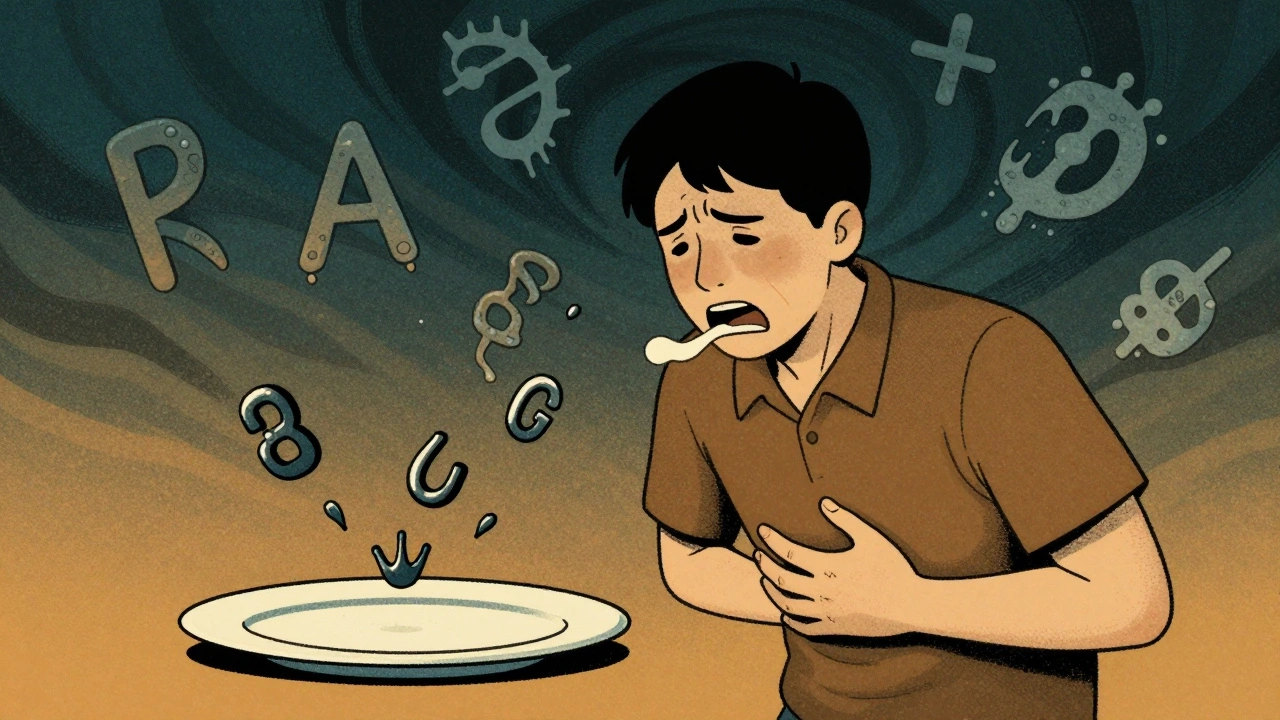
Uremic symptoms like nausea and itching signal dangerous toxin buildup in kidney failure. Learn when to start dialysis based on symptoms-not just lab numbers-and how new treatments can restore your quality of life.