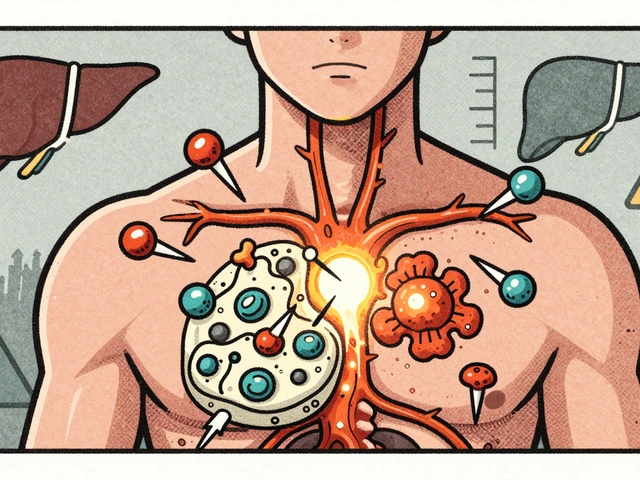
Water retention: what it looks like and what to do
Notice puffier ankles, a bloated belly, or sudden weight gain of a few pounds overnight? That’s often water retention (edema). It happens when fluid builds up in tissues. Sometimes it’s mild and fixable at home. Other times it points to heart, kidney or liver problems and needs attention. Here’s a plain, practical guide so you can act fast and smart.
Quick home checks and fixes
Do this simple check: press the skin over your shin or ankle for five seconds. If an indentation stays, that’s pitting edema — a sign of fluid buildup. Weigh yourself in the morning for a few days. A gain of 2 kg (about 4.5 lb) in 48 hours is worth noticing.
Try these sensible fixes first:
- Cut back on salt. Aim under 2,300 mg sodium per day when possible; many people feel less bloated within days.
- Move more. Walking or ankle pumps (point and flex your feet) helps pump fluid back toward your heart.
- Elevate swollen legs for 20–30 minutes a few times daily. Put pillows under your calves so feet sit above heart level when resting.
- Wear compression stockings. Over-the-counter 15–20 mmHg stockings help mild leg swelling; buy the right size and start with a lower pressure if you’re new to them.
- Watch fluids smartly. Unless a doctor tells you to restrict fluids, don’t panic and cut water drastically — that can make things worse.
Causes, meds and when to call a doctor
Common causes include standing for long periods, eating a lot of salty food, hormonal changes (pregnancy or period), or sitting on a long flight. Some medications can cause retention: NSAIDs (ibuprofen), corticosteroids, certain blood pressure pills (calcium channel blockers), and diabetes drugs like pioglitazone. If you started a new medicine and swelling began, mention it to your prescriber.
See a doctor quickly if you have sudden or severe swelling, shortness of breath, chest pain, fainting, fever, or a very fast weight gain (about 2 kg/48 hours). These can mean heart failure, kidney trouble, or a blood clot. Your doctor may run blood tests, a urine check, or an ultrasound to find the cause.
Diuretics (prescription water pills) help many people, but they aren’t for everyone. A provider will pick the right type, check your electrolytes, and set the dose. Don’t start prescription diuretics or potassium pills on your own. If you try herbal diuretics like dandelion, tell your clinician — they can interact with meds.
Simple lifestyle steps often make a big difference. If swelling hangs on despite changes, or you have other worrying symptoms, get checked. Quick action can catch serious problems early and get you back to feeling normal faster.

- Jun 28, 2025
- Posted by Cillian Osterfield
Torsemide: Benefits, Dosage, Side Effects, and Tips for Safe Use
Clear, practical guide to torsemide use. Learn its benefits, dosages, real risks, and side effects for heart and kidney health. UK/NZ perspective.