Validation Requirements for Medications: What You Need to Know
When you take a pill, it’s not just a random substance—it’s been through a strict process called validation requirements, the set of rules and tests that ensure a medication is safe, effective, and consistently made to quality standards. Also known as pharmaceutical validation, these requirements are the backbone of every drug you buy, whether it’s a generic or brand-name product. Without them, you’d have no way to know if your medicine actually works or if it’s contaminated, underdosed, or even dangerous.
These validation requirements cover everything from how a drug is made in the factory to how it’s stored and shipped. For example, if a medication needs to stay cold, like insulin, manufacturers must prove their packaging and transport methods keep it stable under real-world conditions. That’s why posts on this site talk about transporting insulin in hot weather or protecting vaccines during travel—those are direct results of validation rules. The same goes for how pills are tested to make sure every tablet has the exact same amount of active ingredient. If one pill has 10% more or less than it should, that’s a failure in validation.
Validation isn’t just about the drug itself—it’s also about the people using it. Older adults, kids, pregnant women, and people with liver or kidney issues don’t process drugs the same way. That’s why validation includes testing across different populations. You’ll find posts here about how aging affects side effects, or how pediatric dosing errors happen when validation doesn’t account for weight-based calculations. Even herbal teas and supplements, which aren’t always regulated the same way, can interfere with validated medications. That’s why we cover interactions between chamomile and birth control, or green tea and blood thinners. These aren’t random warnings—they’re consequences of incomplete or missing validation.
Global differences matter too. In some countries, generic drugs are approved through fast-track processes with strict post-market monitoring. In others, every batch is tested before sale. That’s why we look at how China controls drug prices or how Europe enforces generic substitution—each system reflects different approaches to validation. The goal is always the same: make sure what you take does what it says, without harming you. But how they get there? That’s where the real complexity lies.
What you’ll find in the posts below aren’t just drug reviews—they’re real-world examples of validation in action. From statin timing and metformin fatigue to sedative risks and steroid interactions, every article ties back to one question: How do we know this is safe? And how do we make sure it stays that way? These aren’t abstract rules. They’re the reason your medicine doesn’t kill you before it helps you.
- Nov 23, 2025
- Posted by Cillian Osterfield
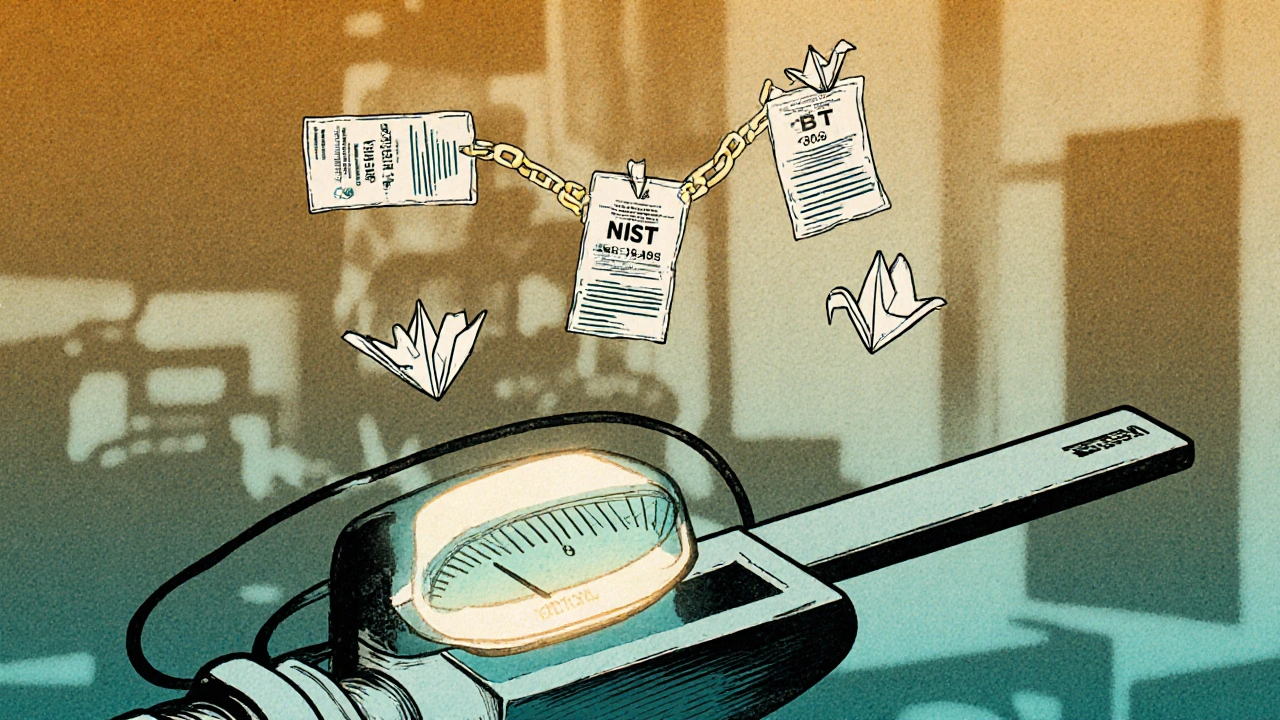
Equipment Maintenance: Calibration and Validation Requirements for Manufacturing Quality
Calibration and validation ensure measurement equipment delivers accurate, reliable data for manufacturing quality. Learn ISO 13485, FDA, and CLIA requirements, best practices, common mistakes, and how to implement a compliant system.