Uremic Pruritus: Causes, Triggers, and What Actually Helps
When your kidneys fail, toxins build up in your blood—and one of the most frustrating results is uremic pruritus, a chronic, intense itching caused by waste buildup in advanced kidney disease. Also known as dialysis itch, it doesn’t respond to regular lotions or antihistamines, and it can make sleep, work, and daily life nearly impossible. This isn’t just dry skin. It’s a direct result of your body’s inability to filter out urea, phosphate, and other toxins that accumulate when kidney function drops below 15%.
Chronic kidney disease, a progressive loss of kidney function often caused by diabetes or high blood pressure is the root cause. As it worsens, the skin becomes hypersensitive, nerve endings get irritated, and inflammation spikes. Dialysis, a treatment that filters blood when kidneys can’t helps remove some toxins, but it doesn’t fix everything—many patients still itch badly between sessions. Even worse, some dialysis methods can make it worse by altering calcium and parathyroid hormone levels, which directly affect skin nerves.
What makes uremic pruritus so tricky is that it doesn’t follow the usual rules. You won’t see a rash. Scratching won’t bring relief—just raw skin and sleepless nights. It’s not allergies. It’s not stress. It’s biology gone wrong. That’s why common remedies like oatmeal baths or over-the-counter creams often fail. The real solutions target the source: balancing minerals, adjusting dialysis, or using targeted medications like gabapentin or nalfurafine, which calm the overactive nerves.
People with uremic pruritus often feel ignored. Doctors focus on saving lives, not easing itching. But this isn’t a minor annoyance—it’s a major quality-of-life killer. Studies show patients with severe uremic pruritus report depression levels similar to those with end-stage cancer. The good news? New treatments are emerging, and better dialysis techniques are making a difference. What works for one person might not work for another, but the right combo of medication, diet, and dialysis tweaks can turn unbearable itching into something manageable.
Below, you’ll find real-world guides on how patients and doctors are tackling this issue—from understanding how phosphate binders help, to spotting dangerous drug interactions that make itching worse, to learning why some supplements backfire. These aren’t theoretical tips. They’re lessons from people living with this daily. You’re not alone. And there are practical steps you can take—starting today.
- Dec 2, 2025
- Posted by Cillian Osterfield
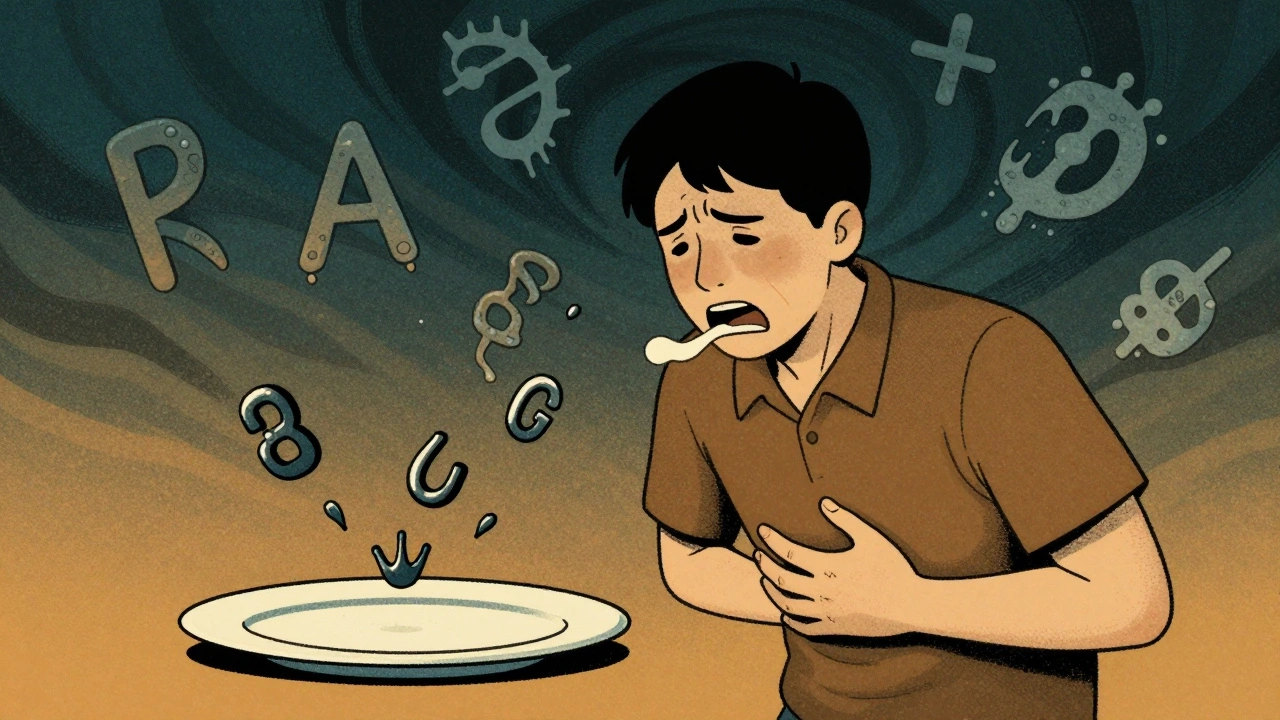
Uremic Symptoms: Nausea, Itch, and When to Start Dialysis
Uremic symptoms like nausea and itching signal dangerous toxin buildup in kidney failure. Learn when to start dialysis based on symptoms-not just lab numbers-and how new treatments can restore your quality of life.