Quality Control in Medications: Why It Matters for Your Safety
When you take a pill, you expect it to work—exactly as it should. That’s not luck. It’s quality control, the system that checks every step of drug production to ensure safety, strength, and consistency. Also known as pharmaceutical quality assurance, it’s the invisible guardrail between a life-saving medicine and a dangerous mistake. Without it, a batch of insulin could lose potency. A generic antibiotic might not kill the infection. A heart pill could contain the wrong dose—or worse, toxic filler.
Quality control isn’t just about checking labels. It’s about testing raw ingredients, monitoring clean rooms where drugs are made, verifying that machines spit out the right amount of active ingredient, and tracking every batch from factory to pharmacy. Countries like the U.S., EU members, and Japan have strict rules, but in places with weak oversight, fake or substandard drugs still slip through. The WHO estimates that 1 in 10 medical products in low- and middle-income countries are substandard or falsified. Even in rich countries, recalls happen—like when a blood pressure pill was found to contain a cancer-causing impurity. That’s why drug manufacturing, the process of producing medications under regulated conditions must follow global standards like GMP (Good Manufacturing Practices). And when it comes to generic drugs, lower-cost versions of brand-name medications that must meet the same safety and effectiveness standards, quality control is what makes them trustworthy, not just cheap.
What you see in the posts below isn’t just a list of drug side effects or treatment options. It’s a chain of real-world consequences tied to quality control. A statin taken at night or morning? Doesn’t matter—if the tablet doesn’t dissolve properly, it won’t work. A child’s liquid antibiotic? If the concentration is off, it could be deadly. A vaccine shipped in summer heat? If temperature control failed, it’s useless. The same goes for insulin during travel, herbal supplements sold online, or antibiotics bought without a prescription. Every post here connects back to one truth: if the drug isn’t made right, it won’t keep you safe—even if the label looks perfect.
Below, you’ll find real stories—from how India and China control generic pricing to why some herbal teas interfere with heart meds, and how aging bodies react differently to poorly manufactured pills. These aren’t abstract rules. They’re the reasons you can trust—or should question—what’s in your medicine cabinet.
- Nov 23, 2025
- Posted by Cillian Osterfield
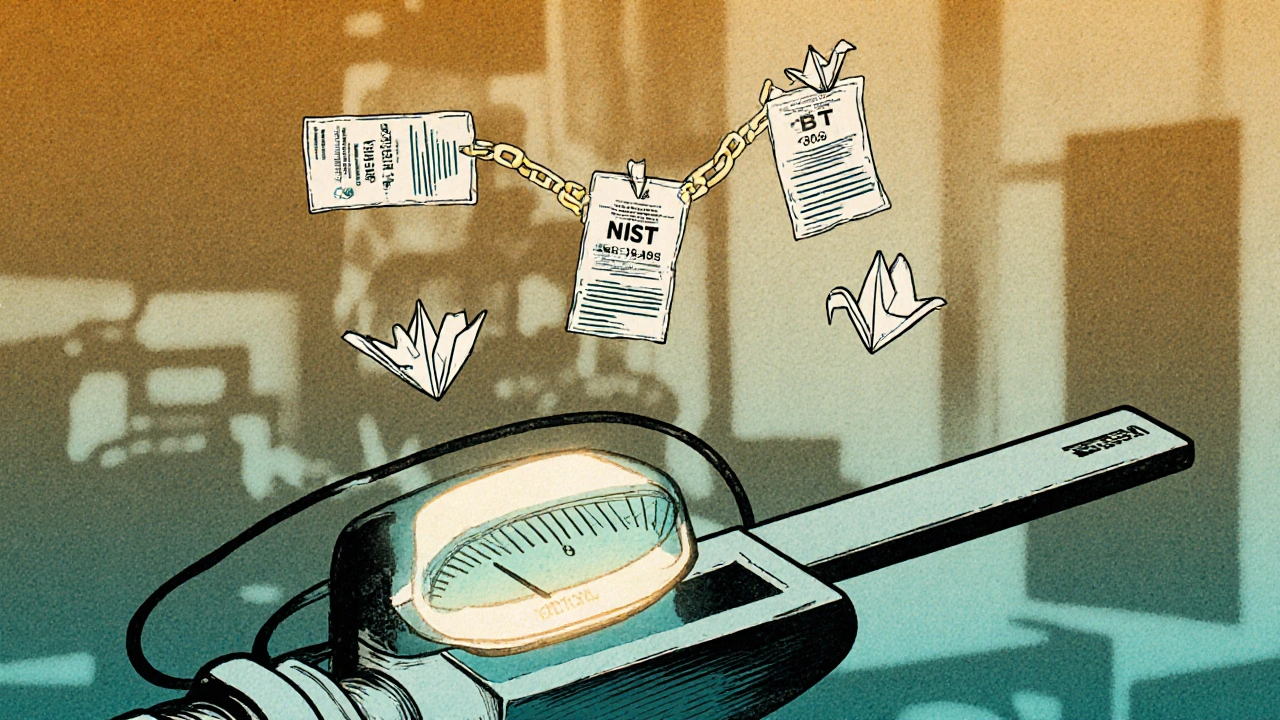
Equipment Maintenance: Calibration and Validation Requirements for Manufacturing Quality
Calibration and validation ensure measurement equipment delivers accurate, reliable data for manufacturing quality. Learn ISO 13485, FDA, and CLIA requirements, best practices, common mistakes, and how to implement a compliant system.