Menopause Symptoms: What to Expect and How to Manage Them
When your body starts shifting through menopause symptoms, the physical and emotional changes that happen as estrogen levels drop during the transition to postmenopause. Also known as perimenopause, it’s not a disease—it’s biology. Around 75% of women experience noticeable changes, and while some sail through with little trouble, others face disruptive symptoms that affect sleep, mood, and daily life. This isn’t just about hot flashes. It’s your entire system recalibrating.
One of the most common signs is hot flashes, sudden waves of heat, often starting in the chest and spreading to the face, sometimes accompanied by sweating and heart palpitations. They can hit anytime, day or night, and last from seconds to minutes. Night sweats, intense sweating during sleep that soaks clothing and bedding. are just as disruptive—they’re why so many women report poor sleep during this phase. Then there’s mood swings, brain fog, dry skin, vaginal dryness, and even joint pain. These aren’t random. They’re tied directly to hormonal changes, the decline in estrogen and progesterone that triggers shifts in body temperature, metabolism, and neurotransmitter activity. Your brain, your skin, your bones—they all feel the difference.
What you’re going through isn’t unusual. But it’s often misunderstood. Many think menopause means you’re just getting older, and that you should just tough it out. But you don’t have to. Some women find relief with lifestyle tweaks—cutting caffeine, staying cool at night, moving more. Others need targeted support, like low-dose hormone therapy or non-hormonal options backed by research. The key is knowing what’s normal, what’s not, and what actually works. Below, you’ll find real, practical advice from people who’ve been there—no fluff, no marketing, just clear info on what helps, what doesn’t, and how to make sense of it all.
- Nov 18, 2025
- Posted by Cillian Osterfield
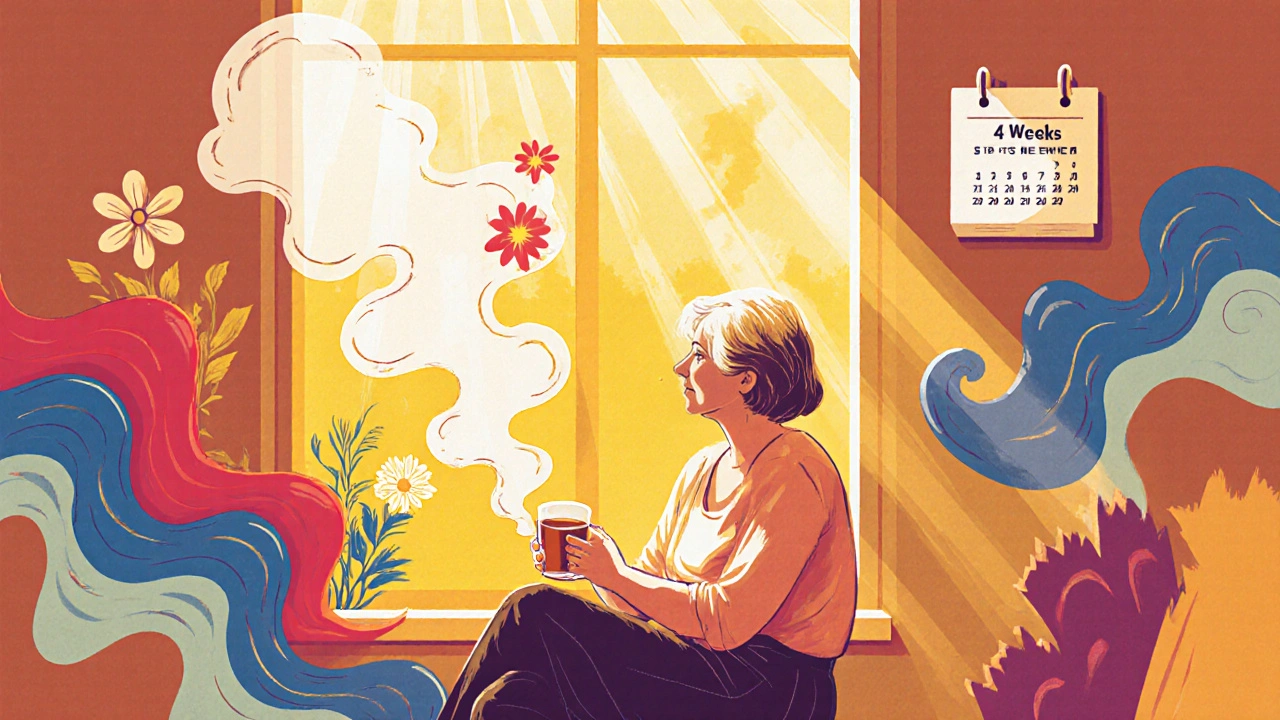
Menopause and Smoking: Why Quitting Now Makes a Difference
Smoking worsens menopause symptoms like hot flashes, bone loss, and heart disease. Quitting now reduces risks fast-even after years of smoking. Learn how stopping improves your health at any age.