ISO 13485: What It Means for Medical Devices and Drug Safety
When you take a pill, use an insulin pump, or get a blood pressure monitor, you're relying on something invisible but critical: ISO 13485, a global quality management standard specifically for medical devices and related products. Also known as ISO 13485:2016, it's the rulebook that ensures every device from a simple bandage to a closed-loop insulin system is made safely, consistently, and with patient safety as the top priority. This isn't just paperwork—it's what stops a faulty syringe, a contaminated implant, or a mislabeled drug from reaching you.
ISO 13485 doesn't just cover the device itself. It controls how it's designed, how materials are sourced, how factories are cleaned, and how every step is tracked. Think of it like a food safety system—but for medical tools. If a company makes a ventilator, a glucose meter, or even the plastic packaging for your statin pills, they need ISO 13485 certification to sell it in most countries. The standard ties directly to pharmaceutical manufacturing, the process of producing drugs and their delivery systems under strict controls. It's why your insulin stays stable during travel, why your antibiotic isn't contaminated, and why your hearing aid doesn't fail mid-use. Without it, there's no way to guarantee that what works in a lab will work safely in your home.
It also connects to regulatory compliance, the legal requirement for manufacturers to meet health authority standards. Agencies like the FDA and EMA don't just ask for ISO 13485—they require it. If a company skips this, their products get blocked at customs or pulled from shelves. That’s why you see ISO 13485 listed on the packaging of nearly every medical device you buy. It’s not marketing—it’s proof.
And it’s not just about big hospitals or fancy tech. Even small companies making custom orthopedic braces or reusable nebulizer parts follow ISO 13485. That’s why the posts you’ll see below cover everything from how temperature-sensitive drugs like insulin are transported safely to how generic drug makers ensure their pills meet the same quality bar as brand names. You’ll find real examples of how this standard shows up in daily care—from preventing dangerous drug interactions to making sure your child’s medication isn’t contaminated. This isn’t a distant regulation. It’s the quiet guarantee behind every safe treatment you use.
- Nov 23, 2025
- Posted by Cillian Osterfield
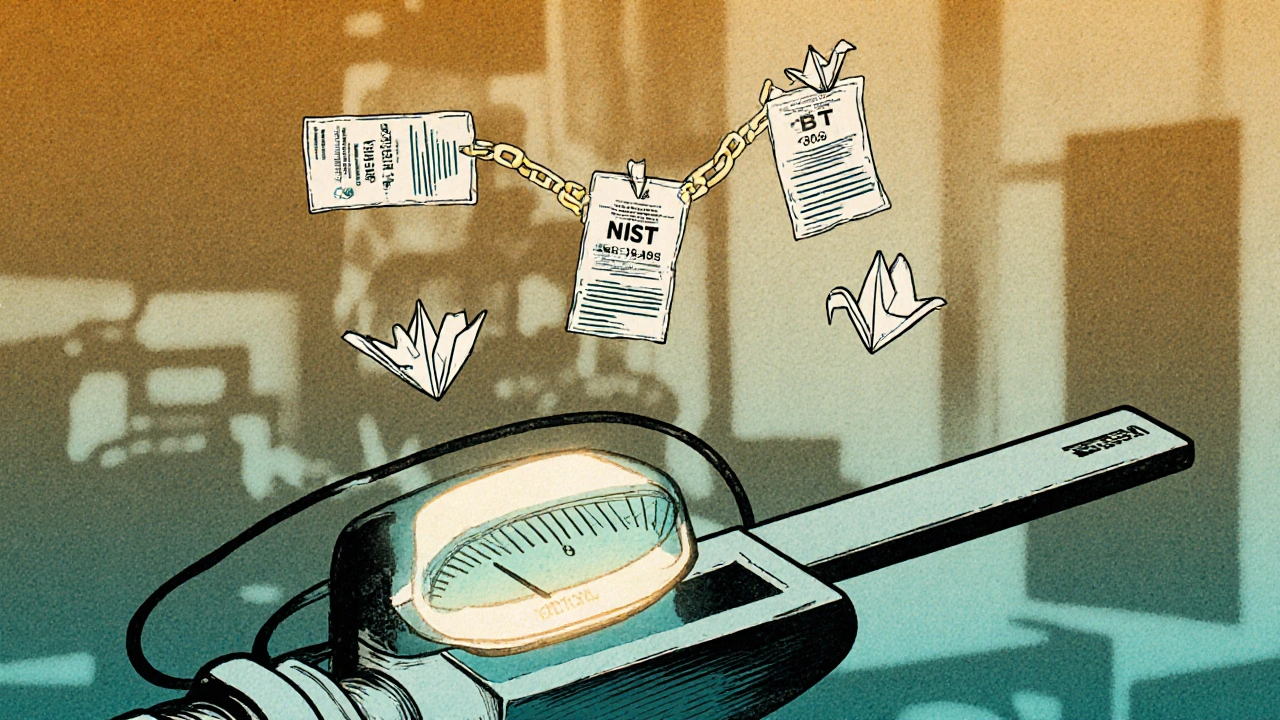
Equipment Maintenance: Calibration and Validation Requirements for Manufacturing Quality
Calibration and validation ensure measurement equipment delivers accurate, reliable data for manufacturing quality. Learn ISO 13485, FDA, and CLIA requirements, best practices, common mistakes, and how to implement a compliant system.