Iron‑Deficiency Anemia – What It Is and How to Fix It
If you’ve been feeling constantly tired, short of breath, or noticing pale skin, iron-deficiency anemia could be the culprit. It’s a condition where your body doesn’t have enough iron to make hemoglobin, the protein that carries oxygen in your blood. Without enough oxygen, every cell works harder, leaving you drained and foggy.
Common Signs You Might Have Iron‑Deficiency Anemia
The first clue is usually fatigue that doesn’t go away after a good night’s sleep. You might also get headaches, dizziness, or a fast heartbeat when you stand up quickly. Look at your nails – brittle or spoon-shaped nails can hint at low iron. Some people notice cravings for non‑food items like ice, dirt, or chalk; this odd urge is called pica and often shows up with anemia.
Women of childbearing age, vegetarians, and anyone with frequent blood loss (like heavy periods or ulcer bleeding) are at higher risk. Blood tests are the fastest way to confirm low iron levels, but you can start spotting patterns in your everyday life before seeing a doctor.
Practical Ways to Raise Your Iron
The quickest boost comes from eating iron‑rich foods. Red meat, poultry, and fish contain heme iron, which your body absorbs best. If you’re vegetarian or vegan, go for lentils, beans, tofu, spinach, and fortified cereals – they have non‑heme iron, which is still useful when paired with vitamin C.
Vitamin C acts like a door opener for iron. Squeeze some lemon over salads, snack on orange slices, or add bell peppers to your stir‑fry. Avoid drinking tea or coffee right after meals; the tannins can block iron absorption.
If diet alone isn’t enough, an iron supplement can help. Choose a gentle formula like ferrous bisglycinate to reduce stomach upset. Take it on an empty stomach for best results, but if you feel queasy, a small snack is fine. Always follow the dosage recommended by your healthcare provider.
Regular exercise also supports healthy red blood cells. Light cardio or strength training improves circulation and encourages your body to use iron more efficiently. Pair workouts with an iron‑rich snack afterward for optimal recovery.
Finally, keep tabs on your progress. A follow‑up blood test after a few weeks will show if hemoglobin levels are climbing. If they’re still low, talk to your doctor about possible underlying issues like intestinal disorders or chronic inflammation.
Bottom line: iron-deficiency anemia is common but manageable. Spot the symptoms early, load up on iron‑rich foods, add vitamin C, consider a supplement if needed, and stay active. With these steps you’ll feel your energy bounce back in no time.
- May 13, 2023
- Posted by Cillian Osterfield
Iron-Deficiency Anemia: Causes, Symptoms, and Prevention
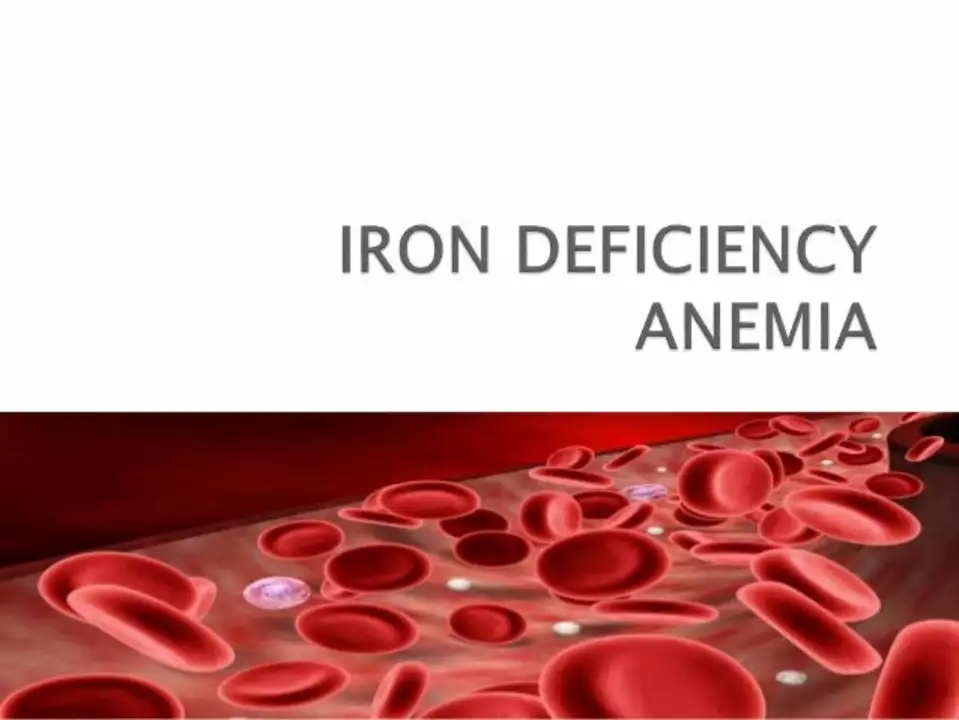
Iron-deficiency anemia is a common health issue caused by a lack of iron in the body, which leads to a decrease in red blood cells. Some of its main symptoms include fatigue, weakness, and pale skin. The primary causes of this condition are poor diet, blood loss, and the body's inability to absorb iron. To prevent iron-deficiency anemia, it's essential to consume iron-rich foods like spinach, red meat, and beans, as well as consider taking iron supplements. Regular check-ups and consulting a healthcare professional can also help in the early detection and treatment of this condition.