Identical Medications: What You Need to Know About Generics and Brand-Name Equivalents
When you hear identical medications, drugs that contain the same active ingredient and are meant to work the same way in the body. Also known as pharmaceutical equivalents, they’re supposed to give you the same results whether they come in a branded box or a plain bottle. But here’s the catch: being "identical" on paper doesn’t always mean they feel the same in your body.
Most generic drugs, lower-cost versions of brand-name medications approved by regulatory agencies are perfectly safe and effective. But not all are created equal. Manufacturing quality, inactive ingredients like dyes or fillers, and even how fast the pill breaks down can vary. That’s why some people report different side effects or notice their medication doesn’t seem to work as well after switching. The brand-name drugs, originally developed and patented medications sold under a specific company’s name often have tighter controls during production, but that doesn’t mean generics are risky—just that you need to know what to watch for.
What’s in those pills beyond the active ingredient? Things like excipients, non-active substances used to bind, color, or preserve pills can affect how your body reacts. For example, a generic version might use gelatin from a different source, which matters if you’re vegetarian or allergic. Color changes, pill size, or even the shape can trigger psychological effects—some patients simply don’t trust a pill that looks different, even if it’s chemically identical. Cultural beliefs, as seen in global studies, play a big role in whether people stick with their meds.
And it’s not just about trust. Manufacturing defects—like tablets that crumble too easily or inconsistent dosing—happen more often in some generic batches. That’s why the FDA and other agencies monitor quality, but gaps still exist, especially when supply chains get stretched. You might get the same medicine, but if it’s poorly made, it won’t do the same job.
So when you’re told your prescription is now an "identical medication," ask: Is this really the same? Who made it? Has it changed before? Your doctor or pharmacist can help you spot red flags. And if you notice a difference in how you feel after switching—fatigue, dizziness, or a return of symptoms—it’s not all in your head. It might be the filler, the coating, or even a tiny shift in how the drug releases.
Below, you’ll find real stories and data on what makes identical medications work—or fail. From cultural views on pill appearance to hidden defects in generic batches, we cover the details most guides leave out. Whether you’re managing high blood pressure, diabetes, or depression, knowing the truth behind your pills can make all the difference.
- Nov 27, 2025
- Posted by Cillian Osterfield
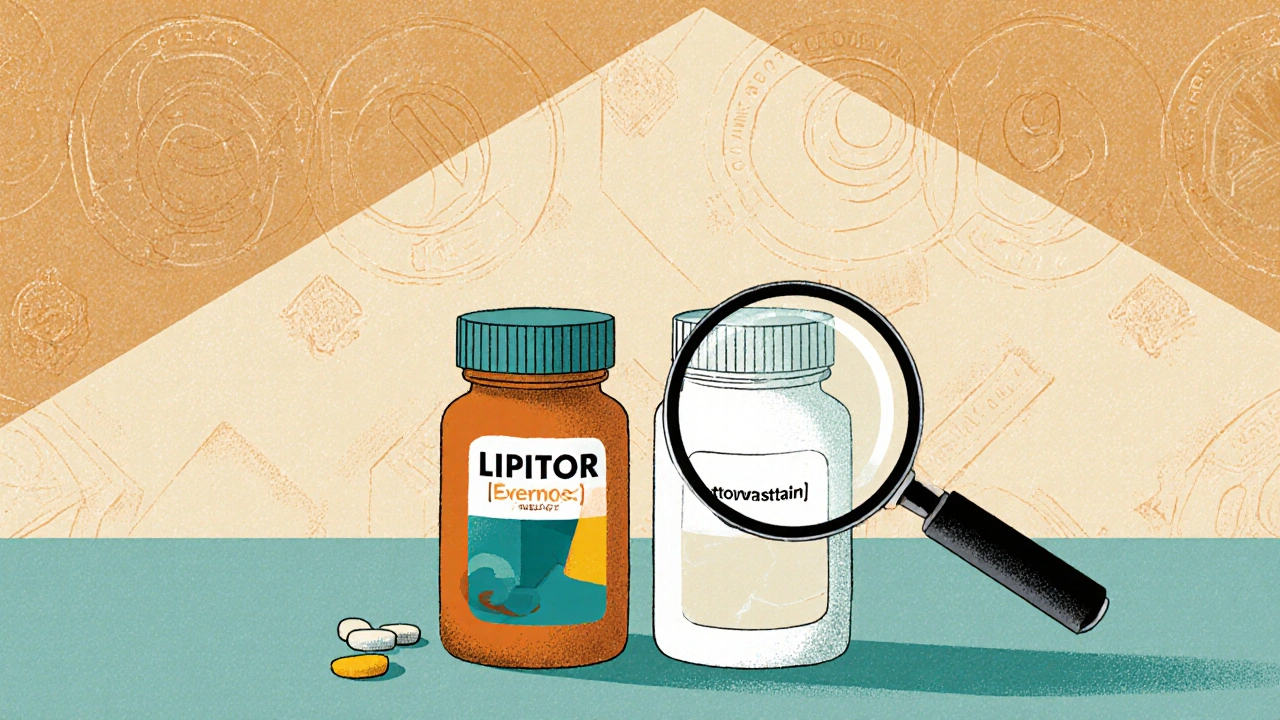
Authorized Generics vs Brand Drugs: What You Need to Know About Identical Medications
Authorized generics are identical to brand-name drugs in every way - same ingredients, same factory, same results. Learn how they work, why they cost less, and when they’re the smartest choice for your health.