Hypoglycemia: Causes, Symptoms, and What You Can Do
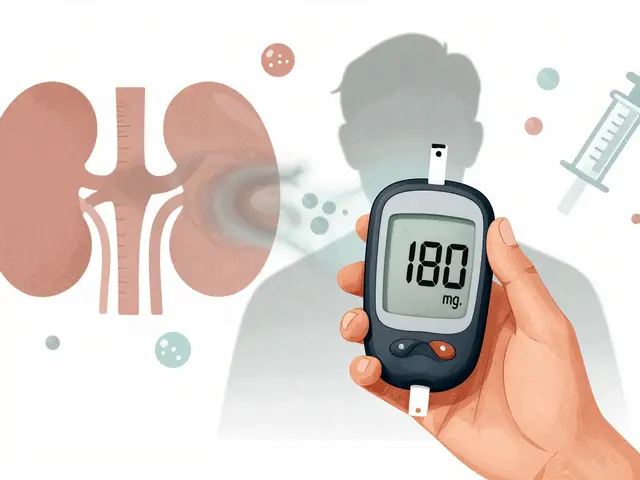
When your hypoglycemia, a condition where blood sugar drops below normal levels, often causing shakiness, confusion, or sweating. Also known as low blood sugar, it’s most common in people with diabetes but can affect anyone, especially if they skip meals, overexercise, or take certain medications. It’s not just a nuisance—it’s a medical signal. Your brain runs on glucose. When levels fall below 70 mg/dL, your body panics. You might feel dizzy, sweaty, or suddenly hungry. Left untreated, it can lead to seizures or loss of consciousness.
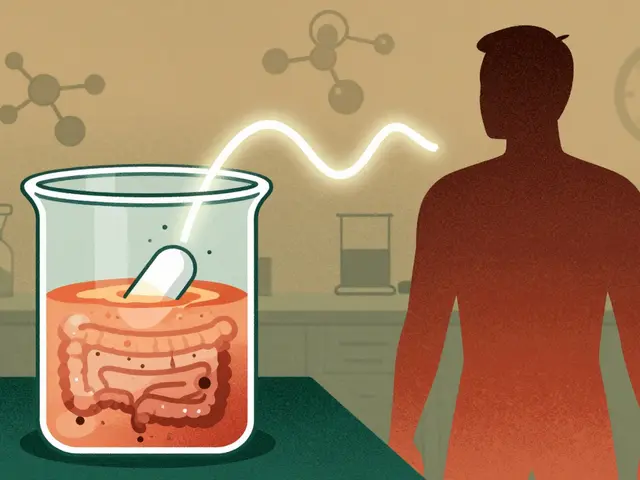
insulin, a hormone that helps cells absorb glucose from the blood is the usual suspect in hypoglycemia for people with diabetes. Too much insulin, or not enough food after taking it, throws your blood sugar off balance. But it’s not just insulin—medications like sulfonylureas, even some antibiotics or heart drugs, can trigger it. Non-diabetic hypoglycemia happens too, often from fasting, alcohol use, or rare conditions like insulinomas. blood sugar levels, the amount of glucose circulating in your bloodstream at any given time are the key metric here. Tracking them isn’t just for diabetics; if you’ve ever felt shaky after skipping lunch, you’ve felt the effects of a drop.
Recognizing the signs early saves you from a crisis. Mild symptoms—trembling, heart racing, hunger—mean you need sugar now. A glass of juice, a few glucose tablets, or even candy can fix it fast. But if you’re confused, slurring words, or losing consciousness, someone else needs to act. That’s why carrying fast-acting carbs and wearing a medical ID matters. Even if you don’t have diabetes, if you get frequent episodes, you need answers. It could be reactive hypoglycemia after meals, or something deeper.
The posts below cover what you need to know: how medications like metformin can cause fatigue by affecting blood sugar, how closed-loop insulin systems help prevent lows automatically, and how to safely transport insulin when temperatures swing. You’ll also find real advice on spotting dangerous drug interactions that drop glucose, and how cultural beliefs about generics might affect your treatment. This isn’t theory—it’s practical, real-world guidance from people who’ve been there.
- Dec 4, 2025
- Posted by Cillian Osterfield
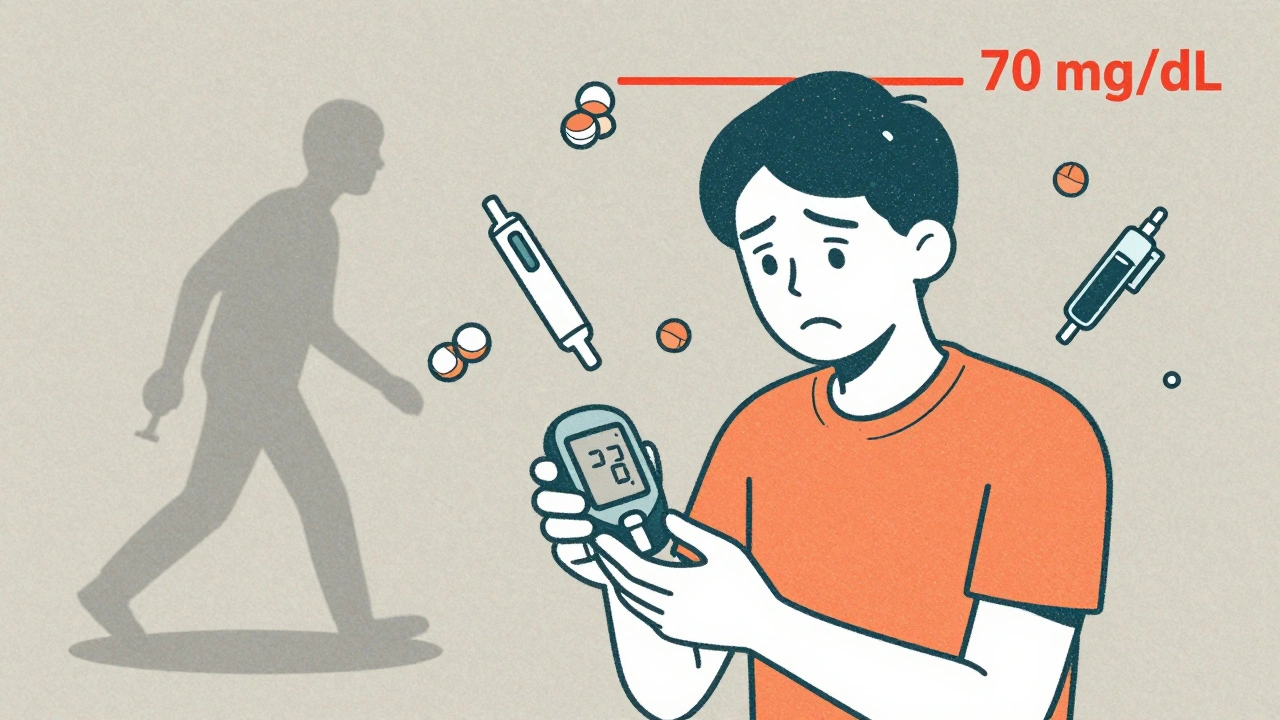
Managing Hypoglycemia from Diabetes Medications: A Practical Step-by-Step Plan
Learn how to prevent and treat low blood sugar caused by diabetes medications like insulin and sulfonylureas. This practical guide covers risk factors, emergency treatment, tracking patterns, and new technologies to stay safe.