Giardiasis Symptoms: What to Watch For and When to Act
When you have giardiasis, a parasitic infection caused by Giardia lamblia that affects the small intestine. Also known as beaver fever, it’s one of the most common causes of travel-related diarrhea and can strike anyone who drinks contaminated water or eats food handled by someone with poor hygiene. You might not feel sick right away—symptoms usually show up 1 to 3 weeks after exposure—but when they do, they hit hard.
The big red flags are diarrhea that lasts days or weeks, greasy stools that float, intense gas, bloating, and stomach cramps. Many people also feel nauseous, lose their appetite, and get really tired. Unlike food poisoning, giardiasis doesn’t usually cause high fever or vomiting, but the fatigue and digestive mess can drag on for weeks if untreated. Kids, hikers, campers, and people in daycare centers are most at risk because the parasite spreads easily through dirty hands or water sources like lakes, streams, and poorly treated wells.
It’s not just about the gut—long-term giardiasis can mess with nutrient absorption, leading to weight loss and even lactose intolerance that sticks around after the parasite is gone. Doctors diagnose it by checking a stool sample, and treatment is usually a short course of antiparasitic drugs like metronidazole or tinidazole. But here’s the thing: many people never get tested because they think it’s just a bad stomach bug. If you’ve had persistent diarrhea after traveling, swimming in a lake, or caring for a sick child, don’t brush it off.
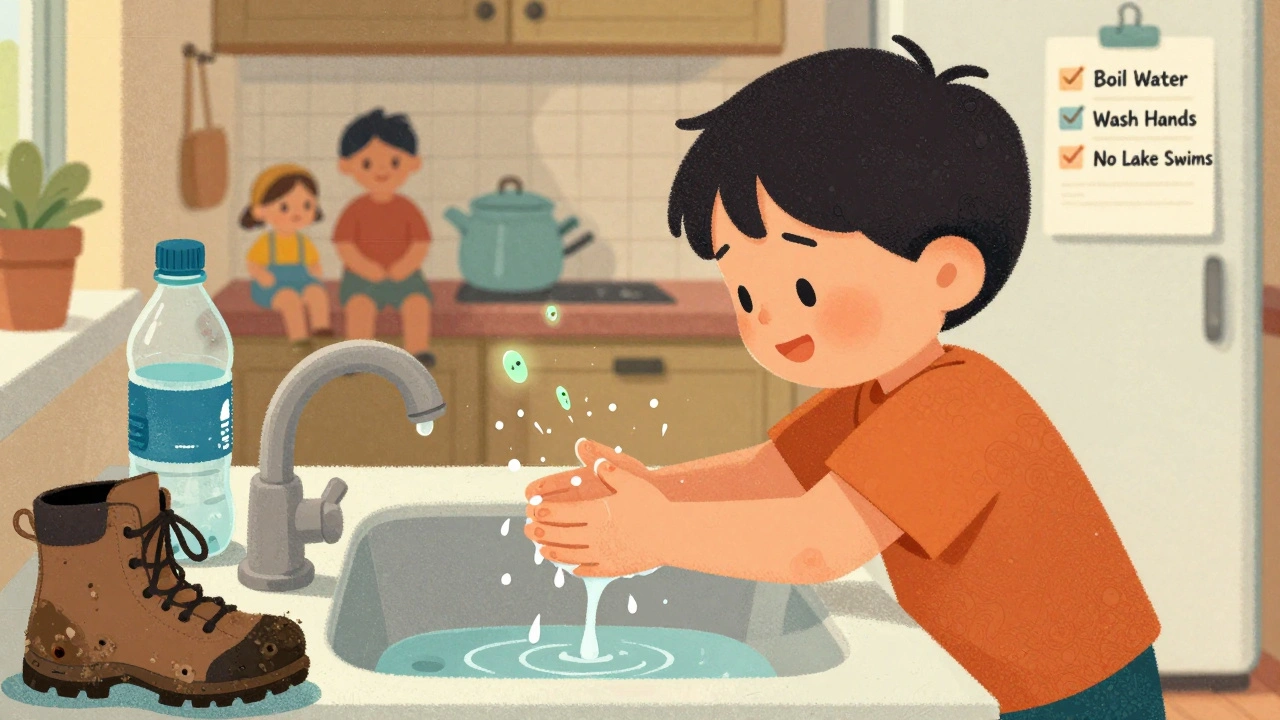
Prevention is simple but often ignored: wash your hands after using the bathroom, before eating, and after changing diapers. Don’t drink water from streams unless you boil or filter it. And if you’re traveling somewhere with questionable water quality, stick to bottled drinks and avoid ice. This isn’t just about avoiding discomfort—it’s about stopping a silent infection that can linger and weaken your body over time.
Below, you’ll find real, practical guides from people who’ve been there—from recognizing the early signs to understanding how medications work and what to do when symptoms don’t go away. No fluff. Just clear advice on how to handle giardiasis, avoid spreading it, and get back to feeling normal.
- Dec 3, 2025
- Posted by Cillian Osterfield
Giardia and Pinworm Infections: Causes, Symptoms, and Effective Treatments
Giardia and pinworms are common parasitic infections that cause diarrhea and intense itching, respectively. Learn how they spread, how to diagnose them, and what treatments actually work-plus how to prevent reinfection.