Giardia Infection: Causes, Symptoms, and What You Can Do
When you get a stubborn case of diarrhea that won’t quit, it might not be food poisoning—it could be giardia infection, a parasitic illness caused by the microscopic organism Giardia lamblia. Also known as giardiasis, it’s one of the most common waterborne diseases worldwide, affecting travelers, hikers, and even kids in daycare. This parasite doesn’t just cause loose stools—it can trigger bloating, gas, nausea, and fatigue that lasts for weeks if untreated.
Giardia spreads when you swallow water or food contaminated with feces from infected people or animals. Think lakes, streams, or even poorly treated tap water in certain countries. It’s not rare in the U.S., either—outbreaks happen in swimming pools, campsites, and daycare centers. The parasite forms a tough shell called a cyst, which survives chlorine and can linger for months. Once inside your gut, it attaches to the intestinal lining and messes with nutrient absorption. That’s why people often lose weight or feel exhausted long after the diarrhea stops.
Doctors diagnose giardia infection by checking stool samples, but many cases go undetected because symptoms mimic other stomach bugs. If you’ve been hiking, traveled abroad, or had a family member with persistent diarrhea, it’s worth asking for a test. Treatment usually involves a short course of antibiotics like metronidazole or tinidazole—medications that kill the parasite without wrecking your gut flora. But here’s the catch: even after treatment, some people still feel off for weeks. That’s because the gut lining takes time to heal. Hydration and eating simple, easy-to-digest foods matter just as much as the pills.
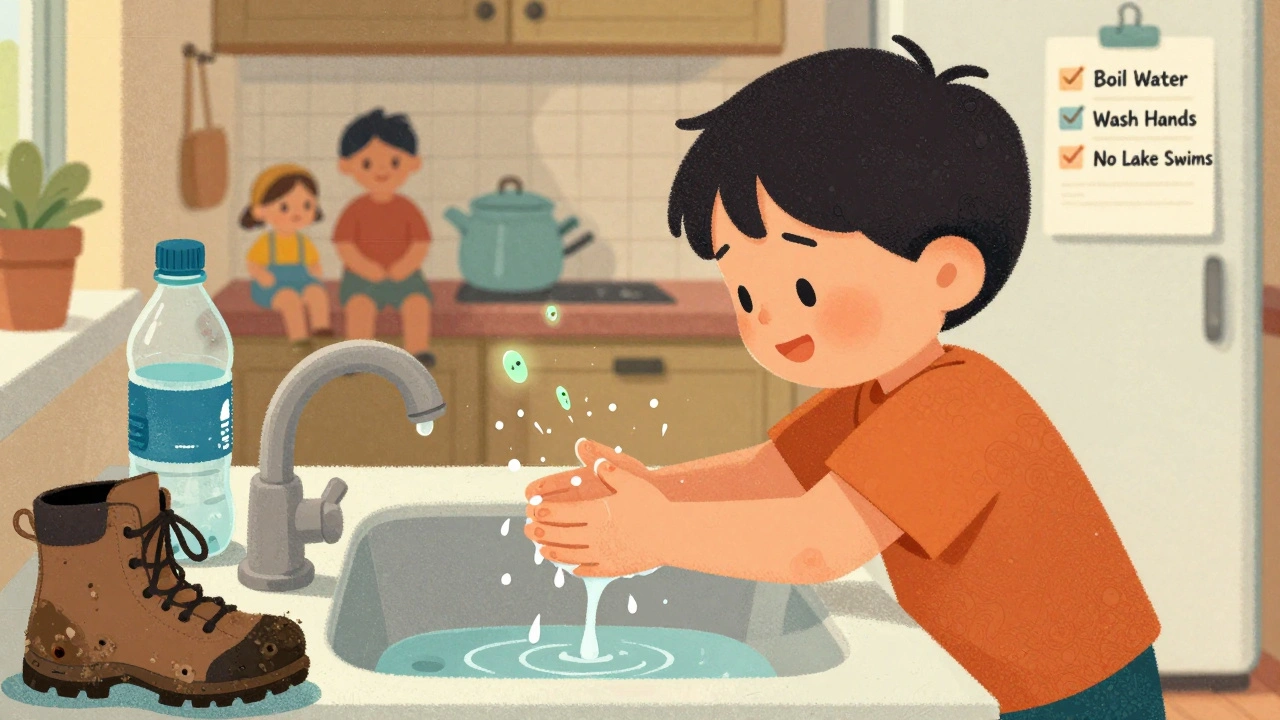
Prevention is simpler than you think: boil water if you’re unsure of its safety, wash hands after using the bathroom or changing diapers, and avoid swallowing water while swimming. Parents of young kids should know that giardia spreads fast in group settings—so if your toddler has diarrhea for more than a few days, don’t assume it’s just a virus.
What you’ll find below are real, practical guides that tie directly to giardia infection and its ripple effects. From how to handle medication side effects during recovery, to understanding when diarrhea signals something deeper, to how to protect yourself when traveling or caring for someone sick—these posts give you the tools to act, not just worry. No fluff. Just what works.
- Dec 3, 2025
- Posted by Cillian Osterfield
Giardia and Pinworm Infections: Causes, Symptoms, and Effective Treatments
Giardia and pinworms are common parasitic infections that cause diarrhea and intense itching, respectively. Learn how they spread, how to diagnose them, and what treatments actually work-plus how to prevent reinfection.