Driving Safety: Medications, Side Effects, and How to Stay Alert on the Road
When you think about driving safety, the practices and precautions that keep drivers and others protected on the road. Also known as road safety, it's not just about seatbelts, speed limits, or avoiding distractions like phones. It’s also about what’s in your body—especially the medications you take every day. Many people don’t realize that common prescriptions and even over-the-counter pills can turn a routine drive into a dangerous one.
Medication side effects, unintended physical or mental reactions caused by drugs like drowsiness, dizziness, blurred vision, or slowed reaction time are silent risks behind the wheel. A pill for allergies, anxiety, pain, or sleep can make you just as impaired as alcohol—even if you feel fine. Studies show that drivers taking sedating medications are up to three times more likely to be involved in crashes. And it’s not just about one drug. Drug interactions, harmful combinations that change how medications work in your body can turn safe doses into dangerous ones. Warfarin and NSAIDs? That’s a bleeding risk. But combine those with a sleep aid or muscle relaxant? Now you’ve got a recipe for poor coordination and delayed reflexes.
It’s not just older adults either. Younger people on ADHD stimulants might think they’re sharper behind the wheel—but those same drugs can cause jitteriness, sudden crashes in energy, or even heart rhythm issues. People managing diabetes risk low blood sugar episodes while driving. Those on antidepressants or anticonvulsants might not realize their meds cause brain fog. Even herbal teas like chamomile or valerian root, often seen as harmless, can add up with other drugs and make you drowsy. The real danger? You don’t feel like you’re impaired. That’s why checking labels, talking to your pharmacist, and asking your doctor about driving risks isn’t optional—it’s essential.
Here’s what you’ll find in this collection: real stories and facts about how everyday drugs affect your ability to drive safely. From the quiet danger of nighttime painkillers to the hidden risks of mixing blood thinners with common pain relievers, these posts break down what you need to know—not just what you want to hear. You’ll learn how to spot warning signs before you get behind the wheel, how to talk to your doctor about alternatives, and which medications are safest if you drive for work or family. This isn’t about fear. It’s about awareness. And awareness saves lives.
- Dec 9, 2025
- Posted by Cillian Osterfield
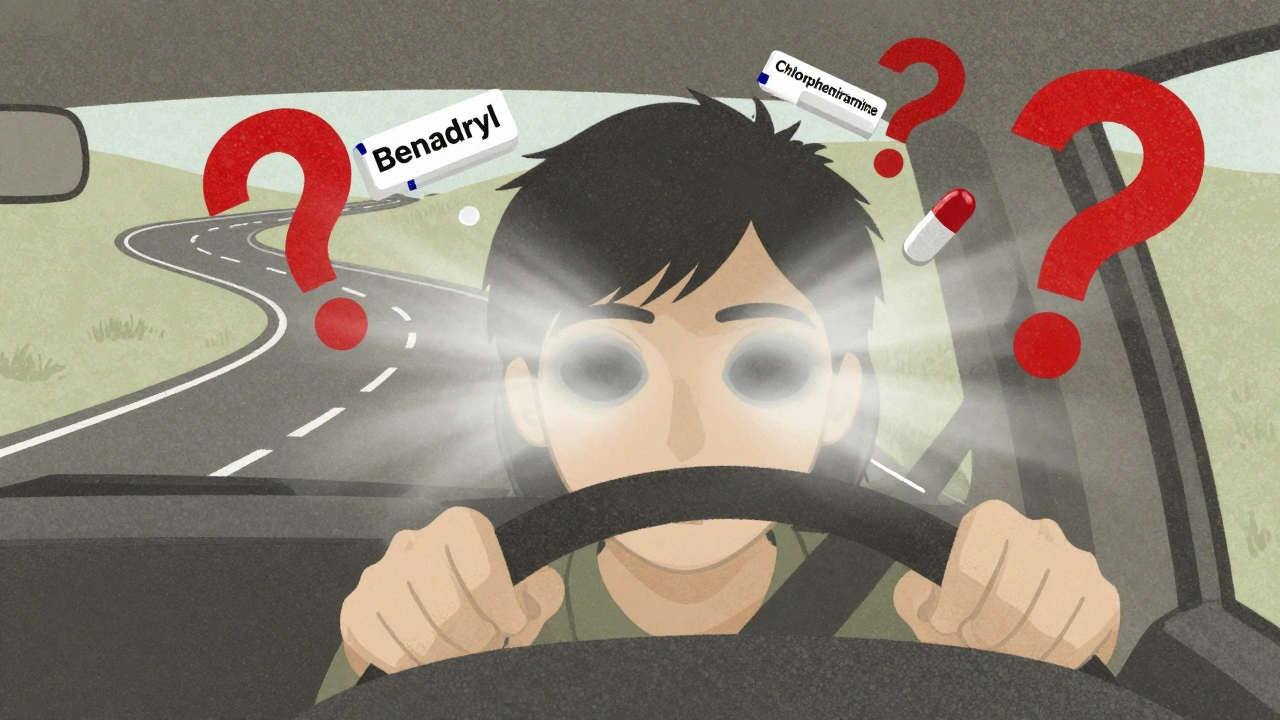
Antihistamines and Driving: What You Need to Know for Safety and Legal Compliance
Many antihistamines impair driving ability-even those labeled 'non-drowsy.' Learn which ones are safe, which are dangerous, and how to protect yourself and others on the road.