Amitriptyline Side Effects: What You Need to Know Before Taking It
When you start taking amitriptyline, a tricyclic antidepressant used for depression, chronic pain, and sometimes sleep issues. Also known as Elavil, it works by balancing brain chemicals—but that same mechanism is why side effects happen so often. It’s not a new drug, but that doesn’t mean it’s safe for everyone. Many people feel better on it, but others get hit with dizziness, dry mouth, or worse—and they don’t know why.
The most common side effects aren’t scary: dry mouth, constipation, blurry vision, and feeling sleepy. But if you’re over 65, those same side effects can turn dangerous. Older adults are more likely to fall from dizziness, or get confused from the drug’s effect on the brain. That’s why doctors often start with half the usual dose for seniors. And if you’re taking other meds—like blood pressure pills, painkillers, or even herbal teas—amitriptyline can interact badly. It can boost the effect of sedatives, making you dangerously sleepy, or raise your heart rate when mixed with certain asthma drugs. You can’t just pick it up and start taking it without talking to your doctor about everything else in your medicine cabinet.
Some side effects are rare but serious. If you notice sudden mood changes, like feeling more anxious or having thoughts of self-harm, stop taking it and call your doctor right away. That’s especially true in the first few weeks. It’s also risky if you have heart problems—amitriptyline can change your heart rhythm, and your doctor may want an ECG before prescribing it. And don’t stop suddenly. Quitting too fast can make you feel sick, dizzy, or even give you nightmares. You need to taper off slowly under medical supervision.
What’s interesting is that some people use amitriptyline for nerve pain, not depression. If you have diabetic neuropathy, post-shingles pain, or chronic back pain, it can help even if you’re not depressed. But the dose for pain is usually lower than for depression. That’s why side effects might be milder for some users—but still present. And if you’re pregnant or breastfeeding, talk to your doctor. It’s not always off-limits, but the risks need to be weighed carefully.
Below, you’ll find real-world insights from people who’ve taken it, doctors who’ve prescribed it, and studies that show what actually happens when you use it long-term. You’ll learn how to tell if your side effects are normal or a red flag, how to cut back safely, and which other meds might make things worse. This isn’t just a list of symptoms—it’s a practical guide to staying in control while using a powerful, old-school drug that still has a place in modern medicine.
- Nov 24, 2025
- Posted by Cillian Osterfield
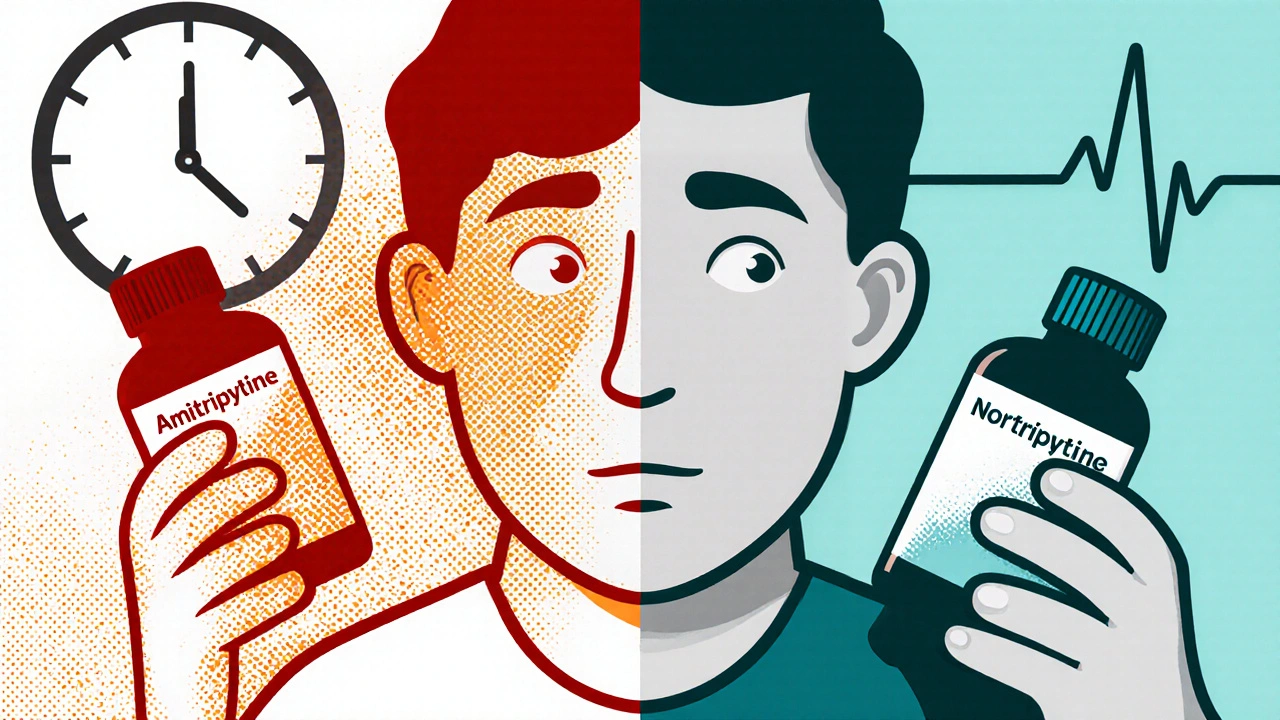
Tricyclic Antidepressant Side Effects: Amitriptyline, Nortriptyline, and More
Amitriptyline and nortriptyline are still used for depression and nerve pain, but their side effects-dry mouth, dizziness, heart risks, and confusion-are serious. Learn when they're worth the risk and how to use them safely.