
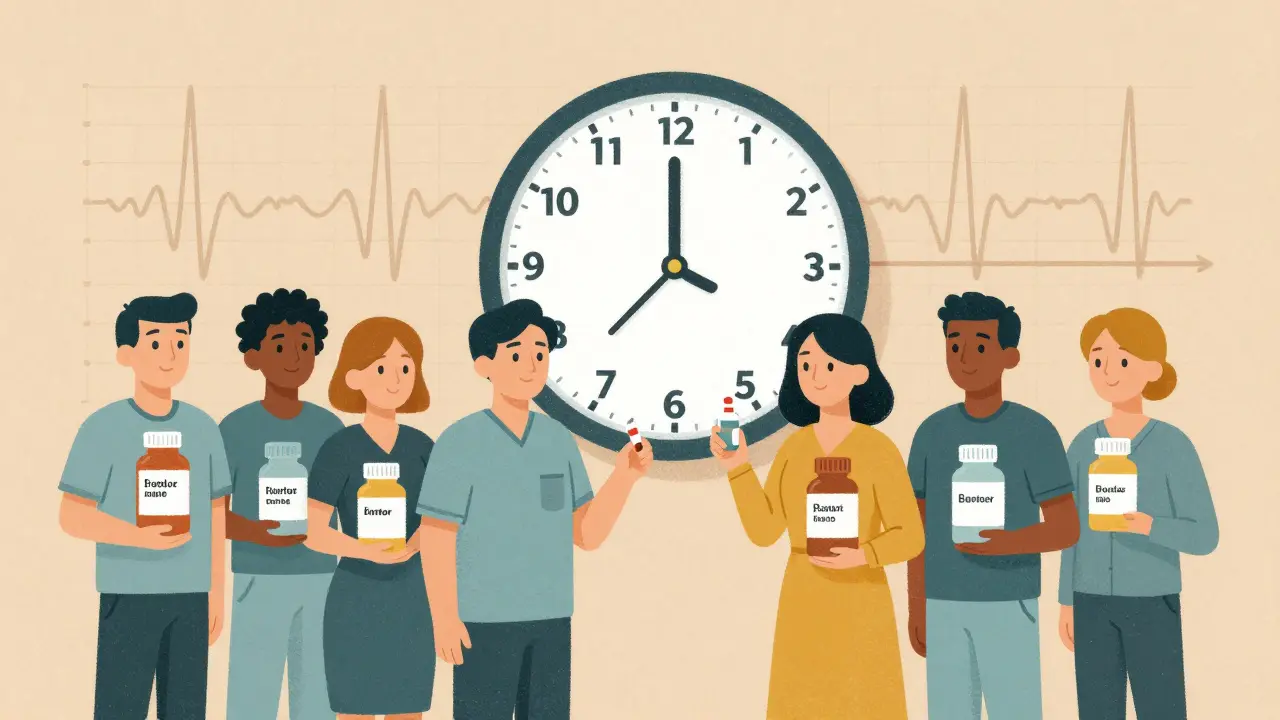
Switching from a brand-name drug to a generic version seems simple: same active ingredient, lower price, same results. But what happens after six months? Or two years? For millions of people managing chronic conditions like high blood pressure, epilepsy, or diabetes, this switch isn’t just a cost-saving move-it’s a long-term health decision. And the data shows it’s not always as straightforward as it looks.
Why Generics Are So Common
Generics make up over 90% of all prescriptions filled in the U.S. That’s more than 6 billion prescriptions a year. The reason? Cost. A brand-name statin might cost $400 a month. The generic? $4. That kind of savings keeps people on their meds. And for many, it works perfectly. A 2006 study found that 77% of people stuck with generic statins, compared to 71% on the brand. Better adherence meant fewer heart attacks and strokes over time. But here’s the catch: not all generics are the same. And not all patients respond the same way. The FDA requires generics to match the brand in bioequivalence-meaning the amount of drug in your bloodstream must fall within 80% to 125% of the brand’s levels. Sounds tight, right? But that range allows for real differences in how your body handles the drug over years, not just weeks.The Hidden Gap in the Science
Most studies comparing generics and brand-name drugs last 4 to 8 weeks. That’s enough to prove the drug gets absorbed. But chronic conditions don’t fix themselves in 60 days. They need decades of consistent treatment. And that’s where the data vanishes. A 2016 review found that only 38% of studies looked at outcomes beyond six months. That’s a massive blind spot. If you’re taking a blood pressure pill every day for 20 years, what happens when you switch from one generic to another-or from brand to generic-year after year? The answer isn’t in most clinical trials.When Switching Causes Problems
Some patients don’t just stay stable after switching-they get worse. A 2017 Canadian study tracked people switching to generic versions of losartan and valsartan. In the first month, adverse events like dizziness, fatigue, and spikes in blood pressure went up by 8% to 14%. And they didn’t go back down. The higher rate lasted the full 12 months. Epilepsy patients report even more dramatic changes. One pharmacist on Reddit with 12 years of experience says he’s seen multiple patients with perfectly controlled seizures start having them again after switching to a new generic. When they went back to the original brand, the seizures stopped-despite both versions meeting FDA bioequivalence standards. And it’s not just about seizures. A 2013 study found that changing the shape or color of a pill during a generic switch reduced patient persistence by 35% over a year. People didn’t stop taking the drug because it didn’t work. They stopped because they thought it was a different medicine. Or worse-they thought the new pill was fake.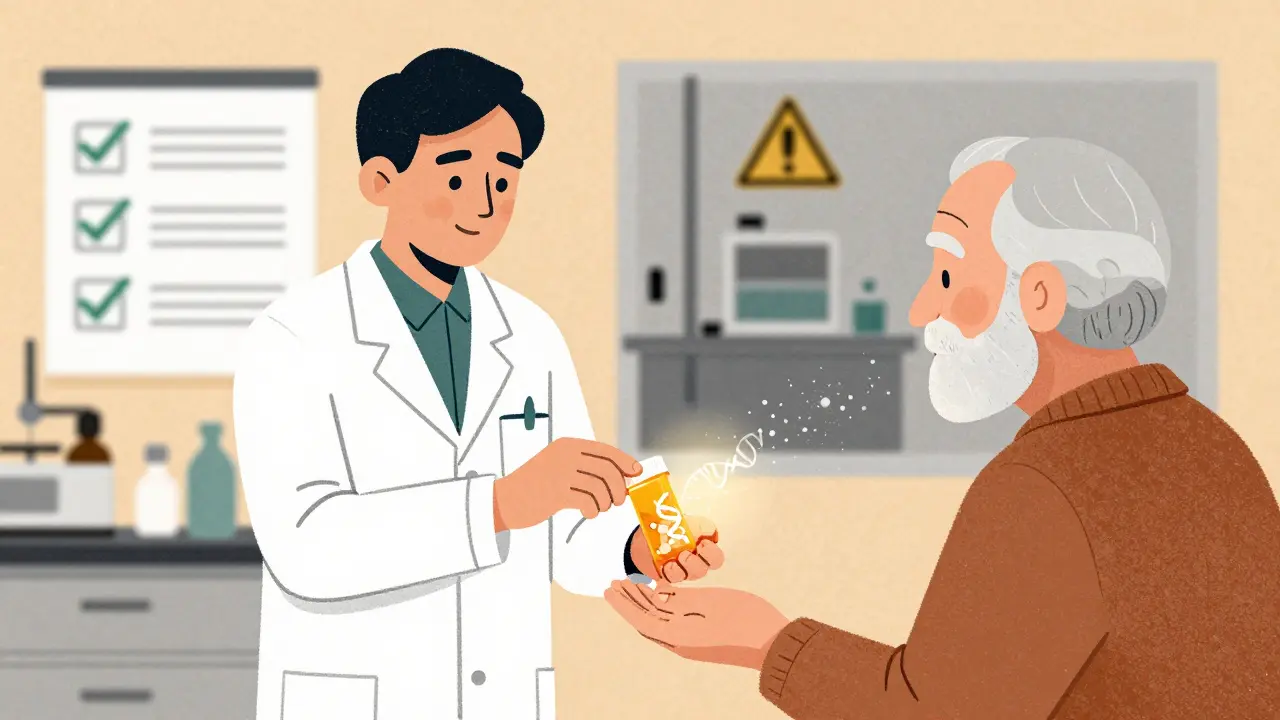
Where the Generic Comes From Matters
Not all generics are made the same. A 2021 study from Ohio State University found that generics made in India had 27% more severe adverse events-including hospitalizations and deaths-than those made in the U.S. This wasn’t about the active ingredient. It was about fillers, coatings, and manufacturing quality. The FDA doesn’t inspect every factory overseas. And even when it does, inspections are snapshots-not continuous monitoring. A pill made in a clean, regulated facility in New Jersey might be identical on paper to one made in a plant in Mumbai. But over time, tiny differences in how the drug breaks down in your body can add up. And then there’s the contamination issue. A 2021 study from the University of British Columbia found DNA-damaging impurities in 37% of tested generics. These aren’t things you’d notice right away. But after 7 to 10 years of daily use? That’s a different story.What About Adherence? The Real Cost of Switching
It’s easy to think: cheaper drug = more people take it = better outcomes. But sometimes, the opposite happens. A 2011 study showed that people who stuck with their brand-name meds had lower overall healthcare costs-even though they paid more for the pills. Why? Because they stayed stable. Fewer ER visits. Fewer hospitalizations. Fewer complications. When you switch to a generic and your blood pressure spikes, your heart rate goes wild, or your seizures return, the cost of that one pill doesn’t matter anymore. The real cost is in the ambulance rides, the hospital bills, the missed work. And it’s not just about physical health. A 2019 survey found that 43% of chronic disease patients felt worse after switching to a generic. Nearly 3 in 10 stopped taking their meds within six months. That’s not adherence. That’s abandonment.What Works: A Smart Approach to Switching
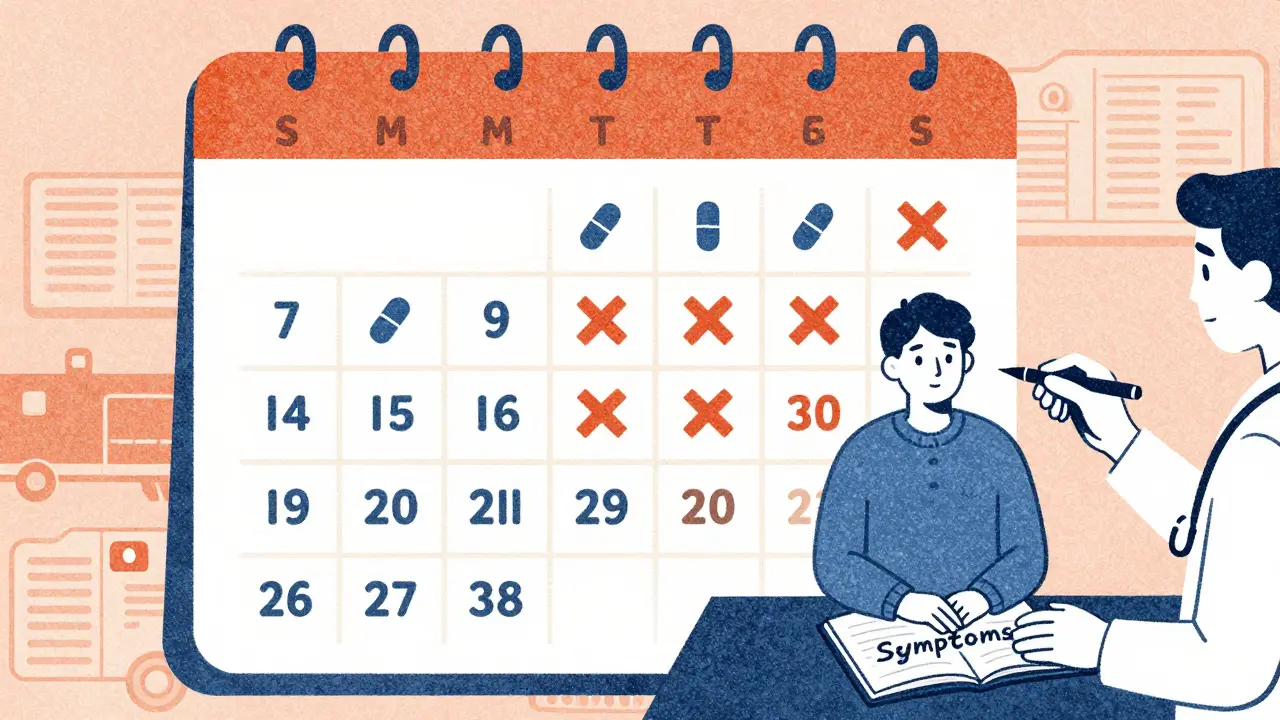
This isn’t about saying generics are bad. They’re essential. They make healthcare affordable. But they need to be handled with care. The American Heart Association recommends this: if you’re stable on a drug-any drug-don’t switch unless you have to. And if you do switch, do it once. Stick with the same manufacturer. Don’t let your pharmacy swap you between three different generics in a year. A 2022 report from the Agency for Healthcare Research and Quality laid out a simple 4-step plan:- Make sure your condition is stable for at least six months.
- Switch to one generic-only one-and monitor closely for three months.
- Write down exactly which generic you’re taking-manufacturer and all.
- If you’re stable, don’t switch again.
What You Can Do
If you’re on a chronic medication, here’s what to ask:- Can I stay on the same generic manufacturer? If yes, ask your pharmacist to note it in your file.
- Did the pill change color, size, or shape? If so, ask why-and if it’s the same generic you were on before.
- Have you noticed new side effects since switching? Track them. Write them down. Bring them to your doctor.
- Can you get a 90-day supply so you’re not constantly switching due to refill timing?
The Bigger Picture
The FDA is starting to catch up. In 2023, it began requiring 36 months of stability data for generics used in long-term conditions. That’s a step forward. Europe is ahead-Germany blocks automatic switches for epilepsy drugs. France requires 24 months of real-world data before approving generics for chronic use. But until those standards become universal, the responsibility falls on you. Your health isn’t a line item on a balance sheet. It’s your life. Generics saved the U.S. healthcare system $1.67 trillion between 2008 and 2017. That’s huge. But if those savings come at the cost of more hospitalizations, more complications, and more people dropping out of treatment, then we’re not saving anything. We’re just shifting the cost. The goal shouldn’t be the cheapest pill. It should be the most reliable one-for you.What’s Next?
The Institute for Safe Medication Practices wants to redefine what “therapeutic equivalence” means. They’re pushing for 24 months of clinical outcome data-not just blood levels-before a generic is considered interchangeable. That proposal is under review by the FDA’s advisory committee. If approved, it could change how generics are approved by 2025. Until then, stay informed. Stay vigilant. And don’t let a cost-cutting policy decide your long-term health.Are generics as safe as brand-name drugs in the long term?
For most people, yes. Most generics work just as well over time. But for certain conditions-like epilepsy, heart rhythm disorders, or blood thinners-small differences in how the drug is absorbed or processed can add up over years. Studies show some patients experience worsening symptoms or side effects after switching, even when bioequivalence standards are met. The key is consistency: once you find a generic that works, stick with it.
Can switching between different generic brands hurt my health?
Yes, especially if you’re on a narrow therapeutic index drug. Switching manufacturers multiple times in a year increases the risk of adverse events by up to 40%. Even if each generic meets FDA standards, differences in fillers, coatings, or manufacturing can affect how your body responds. If you’re stable, avoid unnecessary switches. Ask your pharmacist to keep you on the same manufacturer.
Why do some generics make me feel worse?
It’s not always the active ingredient. Differences in inactive ingredients-like dyes, binders, or fillers-can affect how quickly the drug releases in your body. For some people, even tiny changes can trigger side effects. Also, if the pill looks different, you might unconsciously doubt its effectiveness, which can lower adherence. Tracking symptoms and reporting them to your doctor is the best way to identify if the generic is the issue.
Should I avoid generics altogether to stay safe?
No. Generics are safe, effective, and essential for affordable care. Most people benefit from them. But don’t assume all generics are the same. If you’re on a chronic medication, find one that works and stick with it. Ask your doctor or pharmacist to note the manufacturer in your records. If you notice changes in how you feel after a switch, speak up. Your health is worth the extra attention.
How can I find out which manufacturer made my generic?
Check the pill itself-sometimes the manufacturer name is printed on it. Or look at the prescription label; some pharmacies list it. If not, call your pharmacy and ask. They can tell you the manufacturer and lot number. Write it down. Keep a list of all the generics you’ve taken and when you switched. This info is critical if you ever have side effects or need to go back to a previous version.




15 comments
Janette Martens
I swear if my pharmacy swaps my blood pressure med again I'm gonna lose it. Canada's system is supposed to be better but nope, same crap. Last time I got a different generic my head felt like a balloon and I nearly passed out at the grocery store. Who cares if it's 'bioequivalent' when I can't walk straight?
Marie-Pierre Gonzalez
Thank you for this deeply thoughtful and meticulously researched piece. As a healthcare professional, I have witnessed firsthand the silent crisis of generic switching without patient consent. The data is clear: consistency saves lives. I urge all patients to request manufacturer-specific prescriptions and to document every change. Your advocacy matters.
With sincere respect,
M.-P. Gonzalez, RN
Louis Paré
Let’s be real - this whole thing is a government-funded placebo experiment. The FDA doesn’t care about your seizures or your dizziness. They care about cost per pill. If your body reacts to a different filler, that’s your problem, not theirs. Pharma lobbyists wrote the rules. Wake up.
Gran Badshah
I work in a pharma plant in Hyderabad. We make generics for the US. The fillers? Cheap stuff. Sometimes the coating cracks. Sometimes the batch is off. But the FDA only checks one box per shipment. They don't test every pill. Your body knows the difference. I've seen people get sick. We know it. But we have quotas.
Ellen-Cathryn Nash
I can't believe people are still falling for this. You think the government gives a damn about your health? They care about the bottom line. I switched to a generic for my thyroid med and spent six months feeling like a zombie. My doctor said 'it's the same chemical' - yeah, right. The same chemical as poison if it's not released right. I'm back on brand now. And I don't care how much it costs.
Samantha Hobbs
My mom switched to a generic for her seizure meds and had a full-on episode in the middle of Target. Like, full convulsions. They had to call an ambulance. She was fine after switching back. I swear I'm never letting insurance touch her meds again. This is terrifying.
Nicole Beasley
I had no idea this was even a thing 😳 I just thought generics = cheaper = good. But now I'm going through my pill bottles to check manufacturers. Holy crap. I'm on a blood thinner. I need to call my pharmacy ASAP. Thanks for the wake-up call 🙏
sonam gupta
India makes the best generics in the world. You Americans are so paranoid. Our factories are clean. Our scientists are smart. If your body reacts it's because you're weak not because the pill is bad. Stop blaming others for your own health problems
James Hilton
So let me get this straight - you're telling me a $4 pill can kill you but a $400 pill won't? Sounds like a scam designed by someone who's never held a wrench. I'm switching back to brand. My insurance can kiss my ass.
Mimi Bos
I just checked my last prescription - it says 'Aurobindo' on the label. I didn't even know that was a company. I thought generics were just... generics. This is wild. I'm gonna start a spreadsheet. Who else is doing this?
Payton Daily
This is the most important thing I've read all year. I used to think it was all in my head. I'd switch generics and feel like I was slowly dying. My doctor laughed. Said I was neurotic. Turns out I'm not crazy - the system is. I've been on the same generic for 3 years now. I call it 'my pill'. It's the only thing I trust anymore.
Kelsey Youmans
Thank you for presenting this issue with such clarity and compassion. The ethical implications of automatic generic substitution without patient awareness are profound. As a clinician, I now routinely document manufacturer names in all electronic notes and provide printed handouts to patients. This is not just pharmacology - it is patient autonomy.
Sydney Lee
You people are hysterical. The FDA has over 500 inspectors. The manufacturing standards are among the strictest in the world. If you're having side effects, maybe you're just anxious. Or maybe you're one of those people who thinks every pill is a conspiracy. Get a grip. Your paranoia is costing the system billions.
Hakim Bachiri
I'm from the U.S. My dad died from a stroke after switching generics. The pharmacy changed it without telling us. The label looked different. We didn't know. The autopsy said 'non-compliance'. But he took it every day. He just didn't know the pill was different. This isn't about money. It's about lies. And the FDA is lying to us.
Celia McTighe
This is such an important conversation 🌱 I'm so glad we're talking about this. I used to think generics were all the same too - but now I get it. It's not about being anti-generic. It's about being pro-stability. I'm going to start asking my pharmacist to keep me on the same one. And if they can't? I'll pay the extra. My health isn't a discount code 💛