
Birth Control Antibiotic Checker
Check Antibiotic Safety for Birth Control
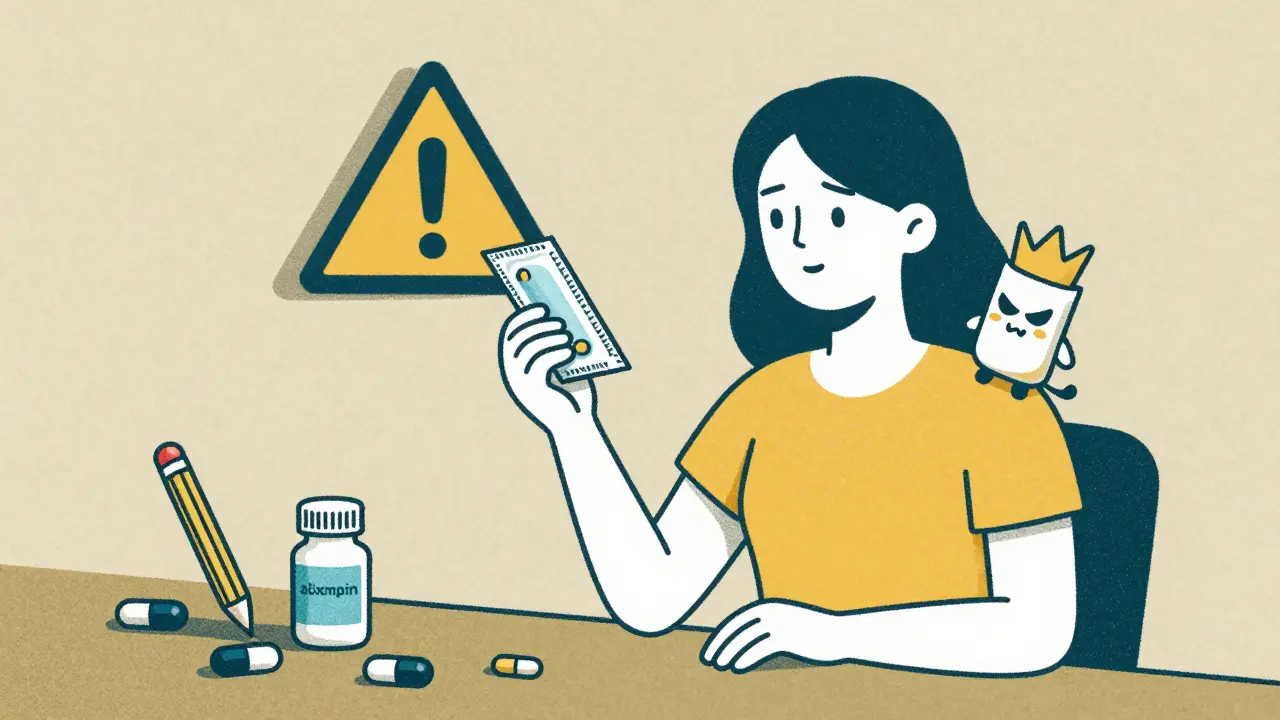
Based on current medical evidence, most antibiotics do NOT affect birth control effectiveness. Only rifampin and rifabutin have proven interactions.
For decades, women have been told to use a backup method of birth control when taking antibiotics. You get a prescription for amoxicillin for a sinus infection, and the pharmacist hands you a packet of condoms with a warning: "Just to be safe." But what if that advice is outdated? What if the fear of antibiotics messing with your birth control is based on myths, not science?
The One Antibiotic That Actually Matters
There’s one antibiotic, and only one, that has been proven to reduce the effectiveness of birth control pills: rifampin (also called rifampicin). It’s not your everyday antibiotic. You won’t get it for a sore throat or a urinary tract infection. Rifampin is used to treat tuberculosis and some serious bacterial infections. It works by turning on liver enzymes - specifically CYP3A4 - that break down hormones faster. That means the estrogen in your pill gets cleared out of your body before it can do its job. Studies show rifampin can cut estrogen levels by 40% to 60%. That’s not a small drop. It’s enough to make birth control pills unreliable. The CDC, the FDA, and medical societies around the world agree: if you’re on rifampin, you need another form of birth control. That’s not a suggestion. It’s a hard rule.What About Amoxicillin, Doxycycline, or Azithromycin?
This is where things get messy. Most antibiotics - like amoxicillin, doxycycline, azithromycin, and even penicillin - do not affect birth control pills. Multiple high-quality studies have looked at this. A 2018 review of 17 studies involving nearly 2,000 women found no increase in pregnancy rates among those taking non-rifamycin antibiotics alongside birth control pills. The pregnancy rate was almost identical: 0.69 per 100 woman-years for those on antibiotics versus 0.54 for those who weren’t. That difference? Statistically meaningless. Pharmacokinetic studies - which measure how the body processes drugs - show no meaningful change in hormone levels when you take these common antibiotics. One study gave women amoxicillin at high doses for 10 days and found zero impact on estrogen or progestin levels. Another tested doxycycline at double the usual dose and saw no effect. Even macrolides like erythromycin, which were once suspected, don’t show real-world risk. So why do so many people still think they’re at risk?Why the Myth Persists
The idea that antibiotics interfere with birth control started in the 1970s. Back then, birth control pills had much higher hormone doses - up to 100 micrograms of estrogen. Today’s pills have 20 to 35 micrograms. Lower doses mean less margin for error. But the warning stuck. Case reports from decades ago, where women got pregnant while on antibiotics, were taken as proof - even though they never proved cause and effect. Maybe they missed pills. Maybe they had vomiting or diarrhea. Maybe they were on rifampin and didn’t realize it. The myth got reinforced by outdated package inserts. Even today, many birth control pill labels say “antibiotics may reduce effectiveness” - without naming which ones. That’s misleading. The FDA itself admitted in 2022 that these warnings are based on old, unproven assumptions. Pharmaceutical companies haven’t updated them because changing labels is expensive and legally risky. Pharmacists, too, often play a role. A 2017 survey found that 68% of community pharmacists routinely recommend backup contraception for amoxicillin. Only 98% did so for rifampin. That’s a huge gap between evidence and practice.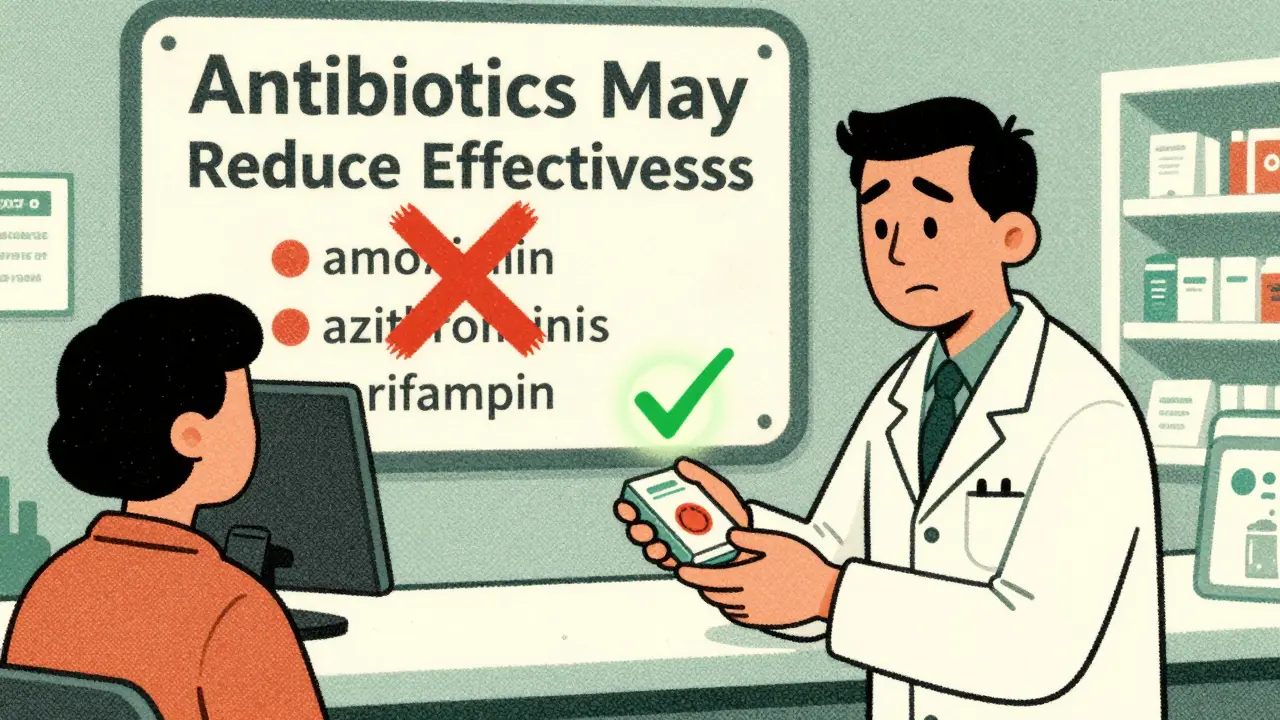
What About Gut Bacteria?
One popular theory says antibiotics kill good gut bacteria, which are needed to recycle estrogen back into the bloodstream. This sounds logical - but it doesn’t hold up in real life. Studies measuring hormone levels in women on antibiotics show no drop in estrogen absorption. Even when gut flora changes, the body still gets enough hormone from the pill to prevent ovulation. There’s no clinical evidence that this mechanism causes contraceptive failure. In fact, if gut bacteria disruption were a real problem, we’d see more failures with broad-spectrum antibiotics like ciprofloxacin or metronidazole. We don’t. Pregnancy rates stay the same.What Should You Do?
Here’s the practical advice, based on current evidence:- If you’re prescribed rifampin or rifabutin - use a backup method like condoms, an IUD, or a contraceptive implant for the entire time you’re taking it and for at least 28 days after.
- If you’re prescribed any other antibiotic - you don’t need to change anything. Your birth control pill is still working.
- If you’re worried, talk to your doctor or gynecologist. Ask: “Is this antibiotic known to interfere with birth control?” If they say yes without naming rifampin, ask for the evidence.
- If you’re on a low-dose pill and have vomiting or diarrhea for more than 24 hours - that’s when you need backup contraception. Not because of the antibiotic, but because your body didn’t absorb the pill.
What About Emergency Contraception?
Many women buy emergency contraception (like Plan B) just in case after taking an antibiotic. That’s unnecessary - and expensive. In the U.S., an estimated $147 million is spent every year on emergency contraception that’s not needed. That’s money wasted because of misinformation. A 2021 study showed that when women were given accurate information - no backup needed unless it’s rifampin - their use of emergency contraception dropped from 79% to 22%. Pregnancy rates didn’t go up. The fear went down.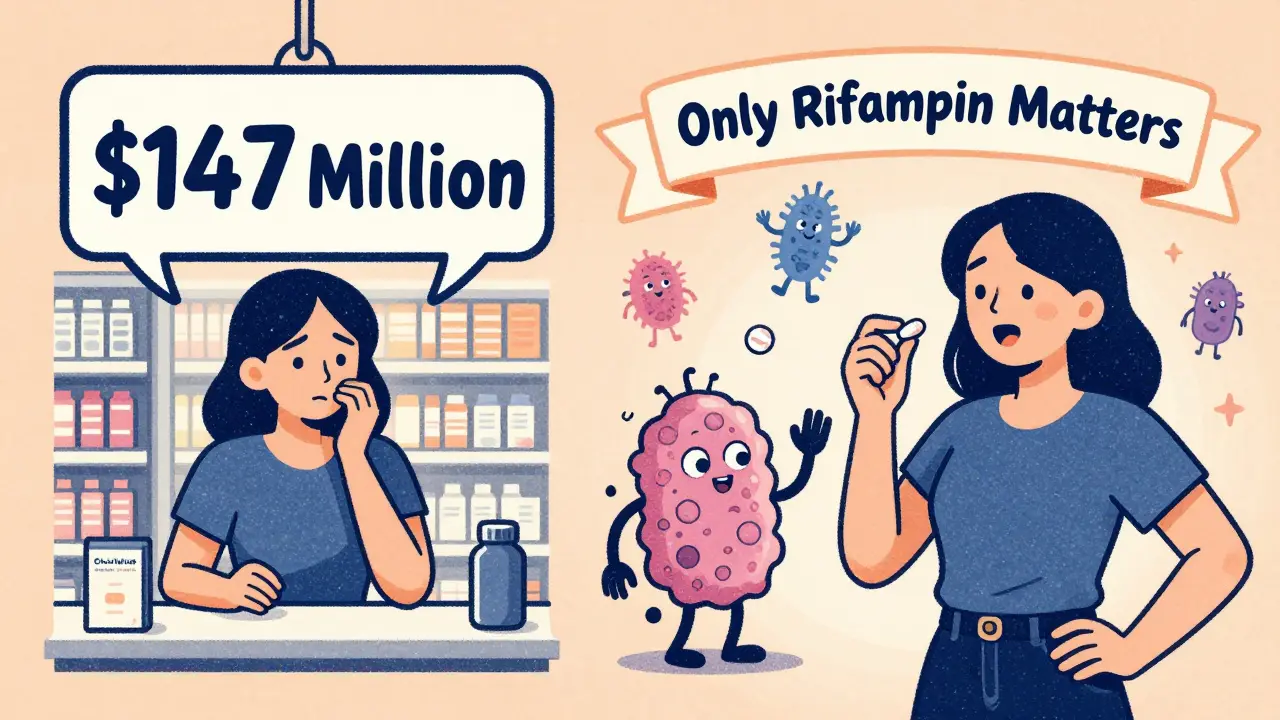
What’s Changing Now?
Change is coming - slowly. The European Medicines Agency updated labels across the EU in January 2023, removing all non-rifamycin antibiotic warnings from birth control packaging. The NIH is funding a major new study called ACILE, tracking 5,000 women over three years to gather real-world data. The American Society for Reproductive Medicine has petitioned the FDA to fix misleading labels. But until those changes reach your pharmacy counter, you’ll still hear the old warnings. That’s why knowing the facts matters.Bottom Line
You don’t need to panic every time you take an antibiotic. Rifampin is the only one proven to interfere. Everything else? The science says you’re safe. Your birth control pill is still working. Save your condoms for when you actually need them - not because of a myth that’s been around longer than your phone.Do all antibiotics reduce the effectiveness of birth control pills?
No. Only rifampin (rifampicin) and, to a lesser extent, rifabutin have been proven to reduce hormone levels in birth control pills. All other common antibiotics - including amoxicillin, doxycycline, azithromycin, and penicillin - do not affect how well the pill works. The idea that all antibiotics interfere is a myth.
What should I do if I’m prescribed rifampin?
Use a backup method of contraception - like condoms, an IUD, or an implant - while taking rifampin and for at least 28 days after you stop. Rifampin speeds up how your body breaks down estrogen, making the pill unreliable. This is the only antibiotic where this is a confirmed risk.
Can antibiotics like amoxicillin cause me to get pregnant?
No. Multiple large studies have found no increased risk of pregnancy in women taking amoxicillin or similar antibiotics while on birth control pills. Pregnancy reports linked to amoxicillin are almost always due to missed pills, vomiting, or other factors - not the antibiotic itself.
Why do pharmacists still warn me about antibiotics and birth control?
Many pharmacists follow outdated guidelines or package insert warnings that haven’t been updated. Some do it out of caution - but it’s not based on current evidence. A 2017 survey found 68% of pharmacists recommend backup contraception for amoxicillin, even though the science says it’s unnecessary. The labels on birth control pills still say "antibiotics" generally, which adds to the confusion.
Should I use emergency contraception after taking an antibiotic?
Only if you’re taking rifampin or rifabutin. For all other antibiotics, emergency contraception is not needed. Spending money on it unnecessarily - an estimated $147 million a year in the U.S. alone - is a waste. If you missed a pill or had vomiting/diarrhea, then yes - use emergency contraception. But not because of the antibiotic.
Does gut bacteria disruption from antibiotics affect birth control?
There’s no solid evidence that it does. The theory is that gut bacteria help recycle estrogen, so killing them might lower hormone levels. But studies measuring actual hormone levels in women on antibiotics show no drop. Even with major gut changes, the pill still works. If this were a real issue, we’d see more failures with broad-spectrum antibiotics - but we don’t.
Are birth control pill labels being updated?
Slowly. The European Medicines Agency removed all non-rifamycin antibiotic warnings from labels in January 2023. The FDA is reviewing its guidance and has acknowledged that current warnings are misleading. But most U.S. labels haven’t changed yet. Pharmaceutical companies are under pressure to update them, but the process is slow. Until then, rely on current medical guidelines, not the package insert.





11 comments
steve rumsford
I’ve been on birth control for 8 years and took amoxicillin for a sinus infection last year. No drama. No pregnancy. Just a really bad taste in my mouth and a $12 pharmacy bill for condoms I didn’t need. Why are we still doing this? The science is clear and the fear is outdated.
It’s like telling people not to drink coffee while taking aspirin because once, in 1972, someone did both and got a headache.
Andrew N
Actually the 2018 review you cited included 17 studies but only 3 were randomized controlled trials. The rest were observational. That’s a problem. Also, rifampin induces CYP3A4 but some antibiotics like clarithromycin inhibit it. You didn’t mention that. The mechanism isn’t as simple as you make it sound.
And don’t forget drug interactions can be individual. Genetics matter. Liver enzymes vary. One size doesn’t fit all.
LALITA KUDIYA
Thank you for this. I’m from India and my doctor here still tells me to use condoms with every antibiotic. I believed it for years. Now I feel relieved. I’ve been taking doxycycline for acne and my pill has worked fine. No panic needed.
Let’s spread this truth. So many women are scared for nothing.
❤️
Aparna karwande
This is what happens when Western medicine forgets its roots. In India, we’ve always known gut health affects everything. Your body isn’t a machine you can just plug and play with. Antibiotics disrupt your entire system. You think estrogen levels are stable? That’s arrogance. You’re dismissing centuries of holistic wisdom because of a few studies funded by Big Pharma.
And now you want to make women feel stupid for being cautious? Shame on you.
Jessie Ann Lambrecht
YESSSSS. This is the kind of clarity we need. I’m a nurse and I’ve spent years correcting this myth at the clinic. Women cry because they think they’re going to get pregnant after taking amoxicillin. They’re terrified. And then they buy Plan B for $60 and feel guilty for not using it.
Let’s stop the fear-mongering. Rifampin? Yes. Everything else? No. Period.
Doctors, pharmacists, and pharmacists - update your scripts. Your patients deserve better than outdated pamphlets.
You’re not being cautious. You’re being cruel with misinformation.
Vince Nairn
So let me get this straight - you’re telling me I don’t need to carry condoms in my backpack every time I take a Z-pack? Wow. That’s like telling someone they don’t need a seatbelt because the car has airbags.
But hey, if you’re cool with your future kid being named "Antibiotic Surprise" then go ahead. I’ll be over here with my backup plan.
Also, I still don’t trust pharmacists. They gave me the wrong dosage once. What’s next? A free lollipop and a lie?
Christine Joy Chicano
The gut bacteria theory is fascinating but completely unproven. There’s no direct evidence linking microbial disruption to altered estrogen metabolism in humans taking oral contraceptives. The 2021 meta-analysis in Contraception Journal specifically debunked this. The body absorbs hormones via passive diffusion in the small intestine - not gut flora recycling.
Also, the $147 million wasted on unnecessary emergency contraception? That’s not just money. That’s mental health. That’s anxiety. That’s women being told they’re incompetent with their own bodies.
It’s time to stop treating women like children who can’t handle facts.
Adam Gainski
I appreciate the data here. I’m a med student and I’ve been taught the old warning too. I asked my OB/GYN preceptor about it last week - she said she’s been telling patients the same thing for 20 years. When I showed her the 2023 EMA update, she paused and said, ‘I didn’t know that changed.’
So this isn’t just about patients. It’s about providers. We’re all working with outdated info.
Thanks for pushing this. I’ll be sharing this with my cohort.
Poppy Newman
Thank you for this 🙏 I’ve been on the pill for 6 years and every time I get sick I panic. I’ve bought Plan B three times because of antibiotics. I just spent $180 on stuff I didn’t need.
Now I feel like I can breathe again. I’m telling all my friends. This is life-changing info. 💪
Ayodeji Williams
Bro you’re just another white guy with a degree telling black and brown women what to believe. You think we don’t know our bodies? My cousin got pregnant after amoxicillin. You think that’s coincidence? You think your studies matter more than lived experience?
Also why are you so sure? Maybe the science is rigged. Maybe Big Pharma wants you to stop using condoms so they can sell more pills.
Trust your gut. Not some PDF from NIH.
Mina Murray
Wait. So you’re saying the FDA is lying to us? And the pharmacists? And the labels? And the 1970s warnings? This is a COORDINATED COVER-UP. Who’s funding this study? Who owns the journal? Why is the EMA suddenly changing things? Did Big Pharma buy them too?
And what about the 2003 case report from Texas where a woman got pregnant after amoxicillin and her pill was confirmed to be taken correctly?
They buried that. They always bury the truth.
Also, did you know glyphosate messes with hormone receptors? Maybe that’s the real problem.
Wake up. This isn’t science. It’s propaganda.