
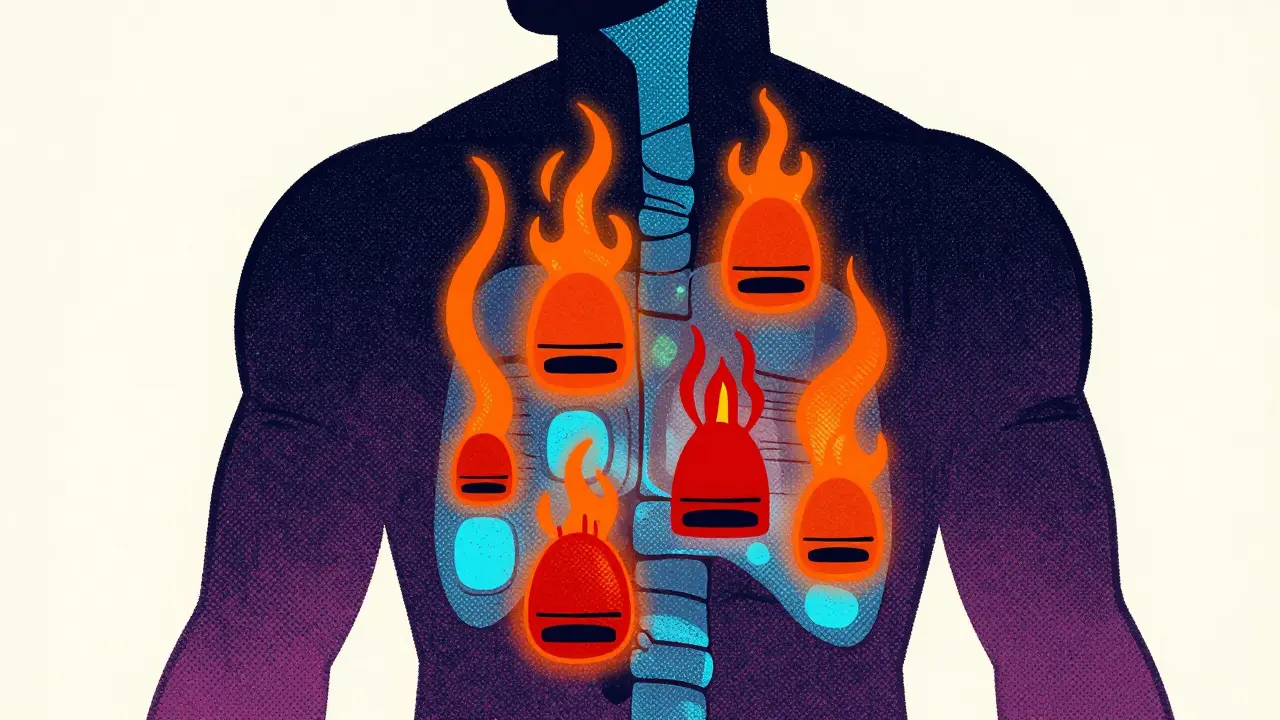
The Hidden Fire in Your Body
If you've ever dealt with an autoimmune condition, you know the feeling of your own body turning against you. Joints swell, skin breaks out in plaques, or your gut refuses to digest food properly. It feels random, frustrating, and exhausting. For decades, doctors treated these symptoms with general immunosuppressants that dulled the entire immune system, leaving patients vulnerable to infections. Then came the biologics, specifically TNF inhibitors, which changed the conversation from managing pain to targeting the actual cause.
These medications don't just mask the fire; they aim to control the spark. By understanding how they work, you can make better decisions about your care, ask more informed questions at your next appointment, and navigate the complex world of biologic therapy with confidence.
What Is TNF and Why Target It?
To understand the drug, you have to understand the target. Inside our bodies, cells constantly communicate using chemical messengers called cytokines. One of the most important-and sometimes destructive-messengers is tumor necrosis factor alpha, often shortened to TNF or TNF-α.
TNF-alpha is a small protein that acts as a key inflammatory cytokine, triggering fever, swelling, and tissue damage when released in excess during autoimmune flare-ups.Under normal circumstances, TNF helps fight infection. However, in diseases like rheumatoid arthritis or psoriasis, the immune system misfires and produces too much of it. Imagine TNF as a smoke detector. When there is real smoke (an infection), it alarms the fire department. In autoimmunity, the smoke detector goes off constantly due to steam or burnt toast, sending firefighters everywhere unnecessarily. This constant signaling causes chronic inflammation, joint destruction, and tissue damage.
Scientists realized that if they could block this specific signal, they could calm the storm without shutting down the entire security system. That's where the inhibitors come in.
The Five FDA-Approved Drugs
Not all TNF blockers are the same. While they share a common goal, their structures differ, affecting how they work and how they are delivered. Currently, there are five primary agents approved for use in autoimmune conditions.
| Drug Name | Molecular Type | Administration Method | Frequency |
|---|---|---|---|
| Infliximab (Remicade) | Monoclonal Antibody | Intravenous Infusion | Every 4-8 weeks |
| Adalimumab (Humira) | Monoclonal Antibody | Subcutaneous Injection | Every 1-2 weeks |
| Etanercept (Enbrel) | Fusion Protein | Subcutaneous Injection | Weekly |
| Golimumab (Simponi) | Monoclonal Antibody | Injection / IV | Monthly |
| Certolizumab pegol (Cimzia) | Fc-free Fab fragment | Subcutaneous Injection | Every 2-4 weeks |
Most people lump these together as "biologics," but the distinction matters. For example, Eta nercept is structurally different; it works like a decoy receptor that lures TNF away from your real cell receptors. In contrast, monoclonal antibodies like Infliximab and Adalimumab bind directly to the TNF molecule itself, neutralizing it. This structural difference impacts how long the drug stays in your body and whether it carries certain risks, like potential cross-reactivity with other proteins.

Conditions Treated with Biologics
You won't see these drugs prescribed for a simple cold. They are reserved for severe, chronic autoimmune disorders where inflammation leads to permanent damage.
- Rheumatoid Arthritis (RA): This is the classic indication. It prevents the destruction of cartilage and bone in joints.
- Psoriatic Arthritis (PsA): Bridges the gap between skin issues and joint pain.
- Ankylosing Spondylitis (AS): Specifically targets inflammation in the spine and sacroiliac joints.
- Inflammatory Bowel Disease (IBD): Includes Crohn's disease and ulcerative colitis, helping induce mucosal healing.
- Plaque Psoriasis: Reduces the thick red patches on skin and improves quality of life scores significantly.
Before biologics, the standard was conventional DMARDs (Disease-Modifying Antirheumatic Drugs) like methotrexate. DMARDs suppress the immune system broadly. TNF inhibitors are much more precise, acting like a scalpel rather than a sledgehammer. Studies consistently show that adding a biologic to methotrexate yields higher remission rates than either drug alone.
How Effectiveness Varies
Here is the reality no one always tells you straight: they don't work for everyone. Clinical trials are optimistic, showing high response rates under controlled conditions. In real-world practice, about 30% of patients do not respond to the first TNF inhibitor tried. Another 30-40% may see the benefit wear off over time, a phenomenon known as secondary failure.
This loss of efficacy often happens because the body recognizes the drug as foreign and builds antibodies against it-anti-drug antibodies. Once your body attacks the medicine, the levels in your blood drop, and the inflammation returns. Doctors monitor this by measuring drug levels and antibody titers. If the levels are low, they might adjust the dose or switch to a different agent with a different molecular structure to avoid cross-reactions.
Risks and Safety Screening
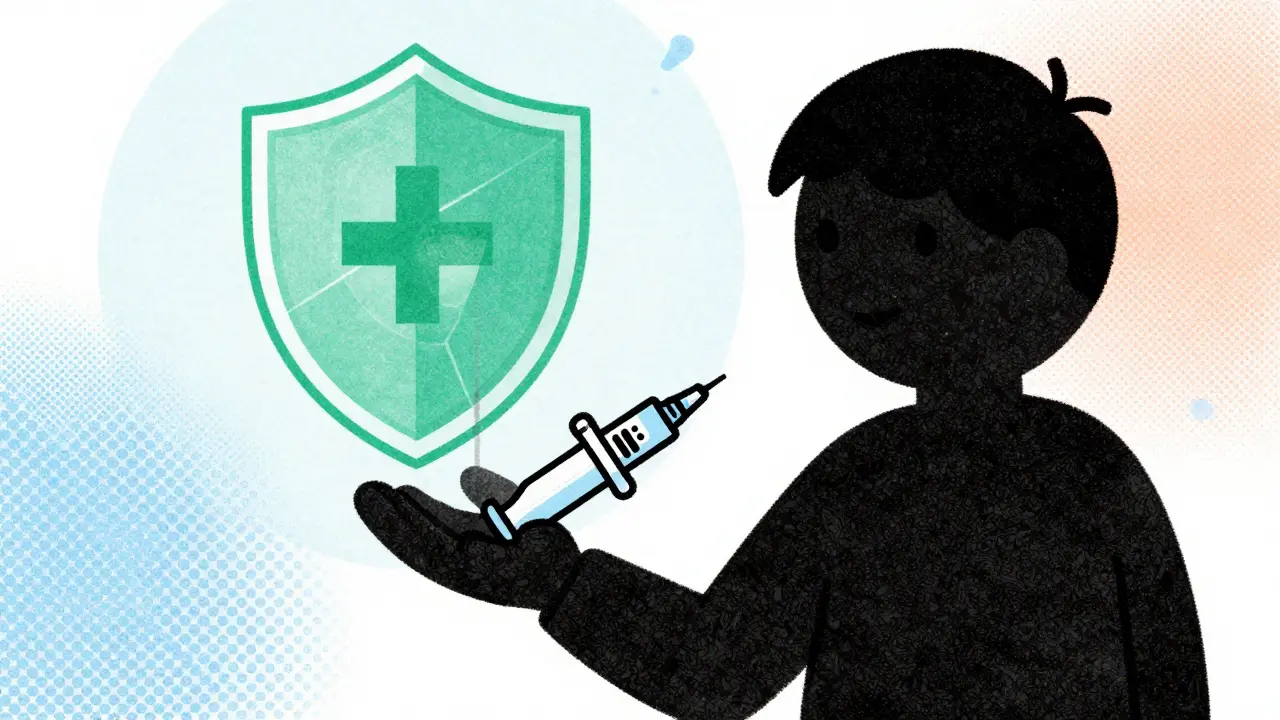
With powerful tools come necessary caution. By blocking TNF, you dampen a critical part of your natural defense system. This increases the risk of infections. The most serious concern is tuberculosis (TB).
Latent TB Reactivation is a condition where dormant bacteria wake up and become active, causing pneumonia or systemic illness. TNF plays a crucial role in keeping TB bacteria contained in granulomas within the lungs. Inhibiting it can allow the bacteria to spread.Because of this, every patient must undergo screening before the first dose. This usually involves a blood test (IGRA) or a chest X-ray. If latent TB is found, it is treated with antibiotics first, delaying the biologic therapy until the lungs are clear.
Beyond TB, patients report increased susceptibility to fungal infections and hepatitis B reactivation. There is also a theoretical concern regarding lymphoma, though large database studies have not definitively proven a direct causal link in the general population. Some older research suggested a slightly elevated risk, particularly in those with severe, untreated active lupus or RA, but modern monitoring has largely mitigated these concerns.
A lesser-known issue involves "paradoxical reactions." Sometimes, treating for one condition triggers another. For example, starting a TNF blocker for psoriasis can occasionally induce psoriasis-like rashes or even uveitis (eye inflammation). Experts theorize this might happen because TNF has protective roles in the central nervous system, and blocking it outside the brain alters how immune cells behave elsewhere.
Lifestyle and Administration
Living with a biologic regimen changes your routine. Most require self-administration via subcutaneous injection. While many patients master this quickly-some report getting comfortable after the second dose-it requires discipline. You can't just "skip" doses when you feel well; missing injections allows drug levels to dip, potentially leading to flares.
Intravenous infusions (like for Infliximab) require a visit to a clinic, often lasting two hours or more. This creates logistical challenges with work and travel. Conversely, injectables offer freedom and discretion.
Cost has historically been a barrier. Brand-name biologics were incredibly expensive, often costing thousands per month. However, since 2018, the rise of biosimilars has shifted the landscape. Biosimilars are nearly identical copies of the original biologic drug. They have undergone rigorous testing to ensure they match the safety and efficacy profile of the originator but cost significantly less. For instance, adalimumab now has several biosimilar versions available, drastically improving access for patients with high-deductible insurance plans.
Can I take TNF inhibitors while pregnant?
It depends on the specific drug. Some agents, like certolizumab pegol, are generally considered safer during pregnancy because they do not cross the placenta easily. Others may pass to the fetus and affect newborn immunity. Always consult your rheumatologist and obstetrician before planning a family.
Will I still get vaccinated while on this medication?
You can receive killed (inactivated) vaccines, such as the flu shot or tetanus booster. However, live virus vaccines (like MMR or chickenpox) are generally contraindicated because your suppressed immune system cannot safely handle the live organism. Ask your doctor to create a vaccination schedule before starting treatment.
How soon do I know if it's working?
Symptom relief often starts within 4 to 8 weeks, though joint swelling may take longer to resolve. Most specialists assess efficacy at the three-month mark before deciding to continue, increase the dose, or switch therapies.
Is there a risk of developing lymphoma?
While early fears existed, recent epidemiological data suggests the absolute risk remains very low. The highest risk appears associated with the underlying severity of the autoimmune disease itself rather than the drug, though vigilance is maintained.
What is the difference between biosimilars and generics?
They are not the same. A generic pill is an exact molecular copy. A biosimilar is a biological product highly similar to the reference product, manufactured in living cells. Small structural differences can exist, but regulatory bodies confirm clinical equivalence.



13 comments
The Charlotte Moms Blog
Wow! Just wow! People love these TNF blockers! But let's talk real! The side effects are no joke! Tuberculosis screening! How many actually pass?! And infections! Even common ones! Becomes harder! Big Pharma profits! Patients pay the price! Cost is insane! Insurance fights every claim! You end up with nothing! And still suffering! Don't fall for the hype! Do your research! Demand transparency! Protect yourself! Health isn't guaranteed!
Vicki Marinker
The focus on biologics neglects socioeconomic barriers. Many patients cannot access these therapies. Healthcare systems prioritize profitability. Equitable distribution remains elusive.
HARSH GUSANI
Our country should lead medicine! 🇺🇸 Not rely on imports! These drugs save lives! 💪 Make America healthy again! 🇺🇸
Beth LeCours
Too expensive and risky.
Joey Petelle
Ah, another biologic wonder! Inject your way to safety! Or catch TB! Whatever floats your boat! 🙄
Divine Manna
Tumor necrosis factor plays a critical role in immune regulation. Its inhibition presents therapeutic potential. However, clinical outcomes vary significantly among patients. Secondary non-response occurs in nearly half of cases. This stems from anti-drug antibody formation. Monitoring serum levels proves essential. Dosing adjustments may restore efficacy. Switching agents mitigates cross-reactivity risks. Biosimilars offer economic advantages. Cost disparities remain concerning. Patient access varies by region. Genetic factors influence treatment success. Individualized medicine approaches are emerging. Comprehensive patient education empowers decision-making. Medical oversight ensures safety profiles. Vigilance against latent infections persists. Continued research optimizes therapeutic strategies.
Dee McDonald
Stop doubting! These medications changed my life! Pain gone! Energy back! Side effects? Managed. Risks exist, but paralysis by fear helps no one! Take charge! Ask questions! Advocate for yourself! Live fully! 💥
Hudson Nascimento Santos
Innovation brings hope yet demands caution. Every advancement carries trade-offs. Ethical considerations extend beyond efficacy. How much risk is acceptable? Society must weigh individual versus collective safety. Balance remains elusive.
Sam Hayes
This overview is solid. Key point is monitoring for secondary failure. Drug levels indicate antibody presence. Adjusting doses helps maintain efficacy. Switching to different class prevents immune response. Regular check-ups matter. Communication with your provider ensures optimal care.
Goodwin Colangelo
Biosimilars are great for affordability. Discuss options with your doctor. Personalized plans work best. Your health journey matters.
Joseph Rutakangwa
Monitor levels. Adjust dose if needed. Switch agents upon secondary failure. Prevention better than cure. Stay proactive.
Will Baker
Miracle cures for sale! Next up vaccines! Oh joy! More needles! Can't wait! 🙃
Sakshi Mahant
Understanding these medications empowers patients. Each choice should involve informed consent. Global access remains a challenge. Hope future developments improve equity. Collaboration across borders benefits everyone.