Zepbound: What It Is, How It Works, and What You Need to Know
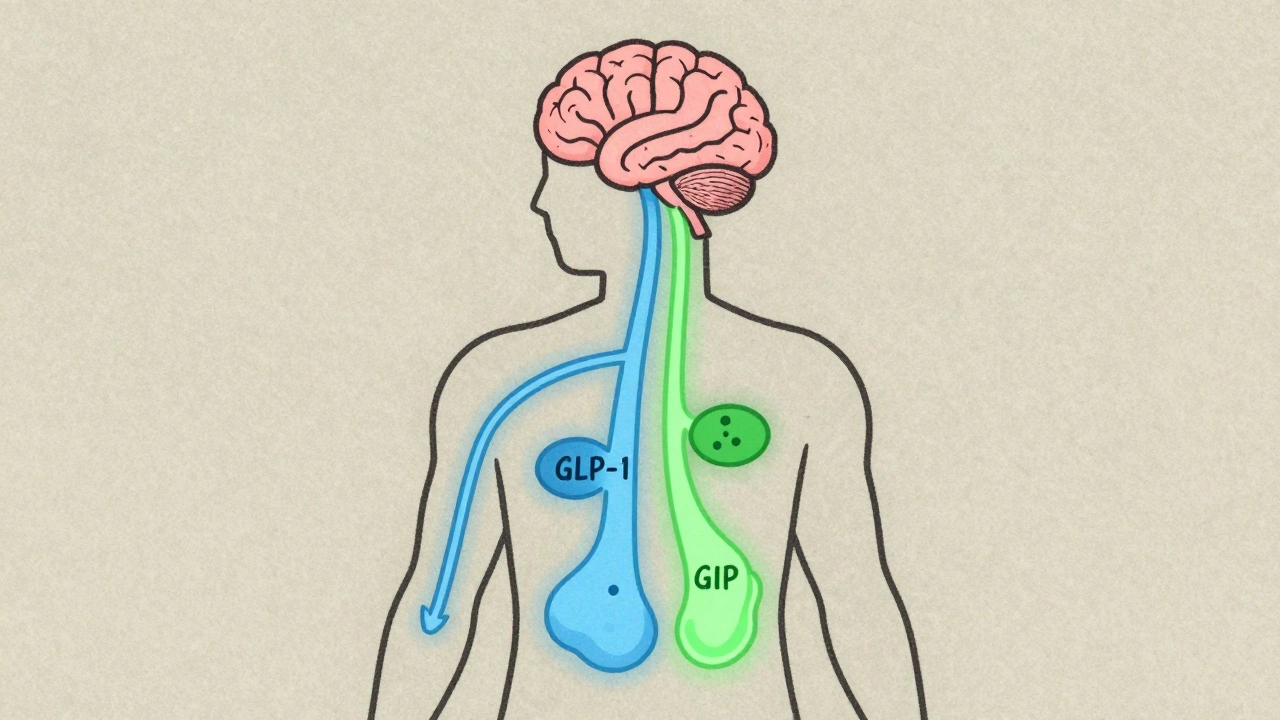
When you hear Zepbound, a prescription weight loss medication approved by the FDA for adults with obesity or overweight with weight-related conditions. Also known as tirzepatide, it’s not just another diet pill — it’s a once-weekly injection that mimics two natural hormones in your body to reduce hunger and slow digestion. Unlike older drugs that only target one pathway, Zepbound works on both GLP-1 and GIP receptors, which is why it’s showing stronger results in clinical trials than many previous options.
Zepbound is closely related to tirzepatide, the active ingredient that makes Zepbound effective, and it’s the same compound used in the diabetes drug Mounjaro. But while Mounjaro is labeled for type 2 diabetes, Zepbound is specifically approved for weight management. This means if you’re struggling with obesity and have tried diet and exercise without lasting results, Zepbound could be a tool worth discussing with your doctor — especially if you also have high blood pressure, sleep apnea, or prediabetes.
People using Zepbound often report feeling full faster, craving fewer sugary foods, and losing weight steadily — sometimes over 20% of their body weight in a year. But it’s not magic. The drug works best when paired with lifestyle changes: eating more protein, moving more, and staying consistent. It’s also not for everyone. People with a personal or family history of medullary thyroid cancer or multiple endocrine neoplasia syndrome type 2 should avoid it. Side effects like nausea, diarrhea, or vomiting are common at first but usually fade as your body adjusts.
What makes Zepbound different isn’t just how it works — it’s who it helps. It’s been studied in people with type 2 diabetes, in those without diabetes, and even in those with a history of heart disease. Real-world results show it can lower A1C levels, improve cholesterol, and reduce the risk of heart-related events in high-risk groups. But it’s expensive without insurance, and getting coverage can be a challenge. Some patients report success switching from other weight loss drugs like semaglutide (Wegovy), while others find Zepbound easier to tolerate.
There’s a lot of noise online about Zepbound — before-and-after photos, TikTok trends, stories of rapid weight loss. But the truth is, results vary. What works for one person might not work for another. That’s why understanding the science behind it matters more than chasing viral claims. The posts below cover everything from how to manage side effects, to what to expect during your first month, to how it compares with other medications like Wegovy and Saxenda. You’ll also find real advice on navigating insurance, tracking progress, and avoiding common mistakes that lead to weight regain after stopping the drug.
- Dec 7, 2025
- Posted by Cillian Osterfield
Tirzepatide for Weight Loss: How Dual Incretin Therapy Works
Tirzepatide (Zepbound) is a dual GLP-1 and GIP agonist that helps with weight loss by targeting appetite, fat storage, and metabolism. It leads to up to 22.4% body weight loss in trials and outperforms older drugs like semaglutide.