Warfarin Side Effects: What You Need to Know Before Taking It
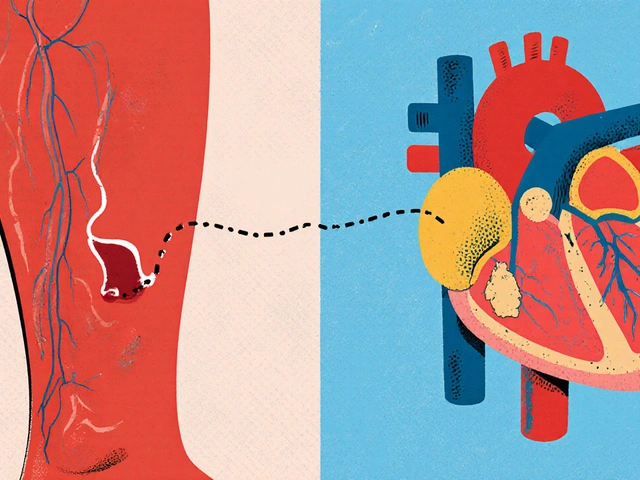
When your doctor prescribes warfarin, a blood thinner used to prevent dangerous clots in people with atrial fibrillation, artificial heart valves, or a history of deep vein thrombosis. Also known as Coumadin, it’s one of the most common anticoagulants worldwide—but it’s not a simple pill to take. Unlike newer blood thinners, warfarin doesn’t come with fixed dosing. Your body reacts differently every day, which is why you need regular blood tests and careful attention to what you eat, drink, and take alongside it.
One of the biggest risks with warfarin, a vitamin K antagonist that slows blood clotting by interfering with liver enzymes is bleeding. It can show up as nosebleeds, bruising without injury, or worse—blood in your urine or stool. If you fall hard or hit your head, even a small internal bleed can become life-threatening. That’s why you need to know the signs: dizziness, severe headaches, unusual weakness, or vomiting blood. These aren’t side effects to ignore. Your doctor tracks your INR, a lab measurement that tells how long your blood takes to clot to keep you in the safe zone. Too low, and clots form. Too high, and you bleed.
What you eat matters just as much as what you take. vitamin K, a nutrient found in leafy greens like kale, spinach, and broccoli directly fights warfarin’s effect. You don’t have to avoid these foods—just keep your intake steady. A salad every day? Fine. One week of salads, then none? That can spike your INR dangerously. Herbal teas like green tea or chamomile can also interfere. Even over-the-counter painkillers like ibuprofen or aspirin raise your bleeding risk. And don’t forget alcohol—it’s not just about getting drunk. Daily drinking, even in small amounts, can throw your INR off track.
Some people think switching to a newer blood thinner is better—but that’s not always true. Warfarin is cheap, well-studied, and often the only option for people with mechanical heart valves. The real issue isn’t the drug—it’s the lack of support. Many patients get a prescription and are left to figure it out alone. But managing warfarin isn’t just about popping pills. It’s about tracking symptoms, knowing which meds to avoid, and understanding why your doctor keeps ordering that blood test. You’re not just taking a drug—you’re managing a system.
Below, you’ll find real-world guides that break down exactly how warfarin interacts with other drugs, what foods to watch, how to spot early signs of trouble, and why some people handle it better than others. These aren’t theoretical articles. They’re written by people who’ve been there—patients, pharmacists, and doctors who’ve seen what happens when warfarin isn’t managed right. Whether you’re just starting out or have been on it for years, there’s something here that can help you stay safe.
- Dec 5, 2025
- Posted by Cillian Osterfield
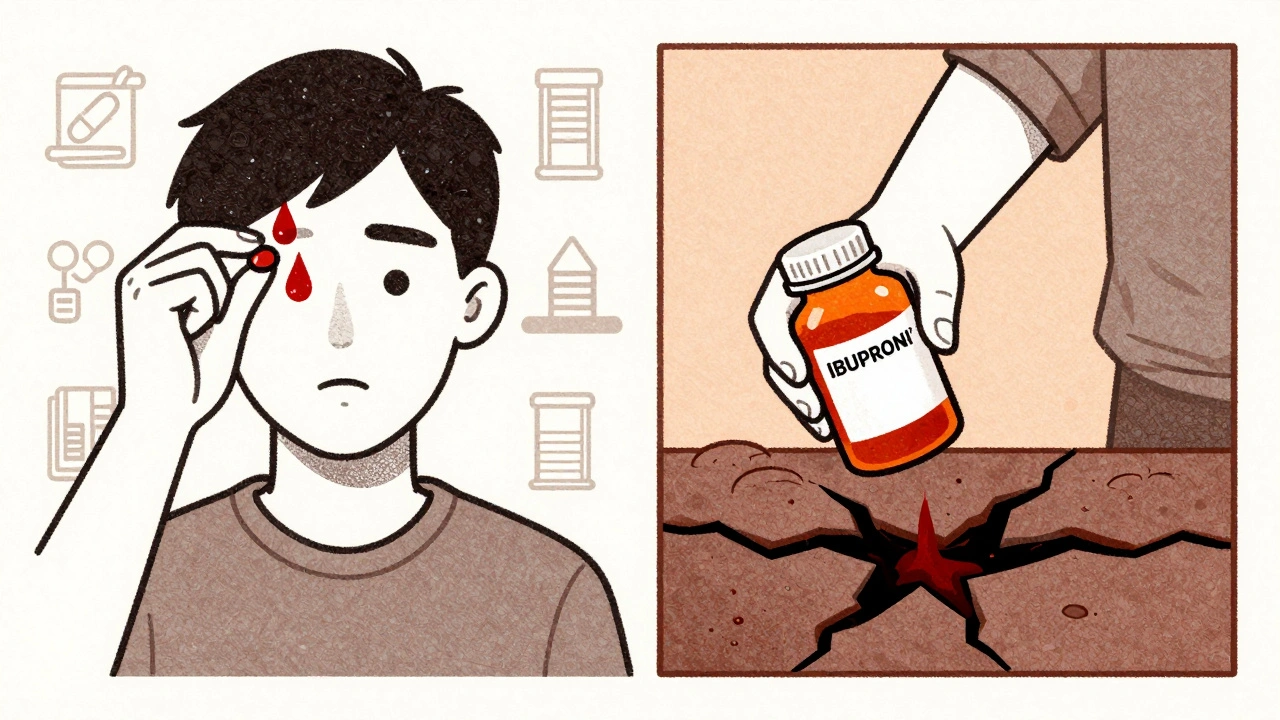
Warfarin and NSAIDs: Why Combining Them Increases Bleeding Risk
Combining warfarin and NSAIDs can more than quadruple your risk of serious bleeding. Learn why this interaction is dangerous, which painkillers are safest, and what to do if you need pain relief while on blood thinners.