Sedating Antihistamines: What They Are, How They Work, and What You Need to Know
When you reach for an allergy pill and feel sleepy an hour later, you’re likely taking a sedating antihistamines, a class of medications that block histamine to reduce allergy symptoms but also cross into the brain, causing drowsiness. Also known as first-generation antihistamines, they were the first drugs developed to treat sneezing, runny nose, and itchy eyes — and they still work, even if they knock you out.
These drugs aren’t just for allergies. Doctors sometimes prescribe them for insomnia, motion sickness, or nausea because their sleepiness effect is reliable. Common ones include diphenhydramine (Benadryl), chlorpheniramine, and hydroxyzine. They work fast — often in 15 to 30 minutes — but their side effects stick around longer than newer options. Unlike second-gen antihistamines like loratadine or cetirizine, which barely touch your brain, these older drugs bind to receptors in your central nervous system. That’s why you feel foggy, clumsy, or too tired to drive. Older adults are especially sensitive: studies show they’re more likely to fall or get confused after taking them. The FDA even warns about using these in people over 65 because of the risk of delirium and memory problems.
Still, they’re not going away. For some, the drowsiness is a feature, not a bug. If you struggle to fall asleep and can’t use sleep meds, a low dose of diphenhydramine at night might help. If you get severe motion sickness on a boat or plane, meclizine can keep you from vomiting. But using them long-term for sleep? That’s risky. Your body builds tolerance, you need more to get the same effect, and you might wake up groggy or with dry mouth, constipation, or blurred vision. These drugs also interact with alcohol, opioids, and antidepressants — mixing them can slow your breathing or raise your heart rate dangerously.
What you’ll find below are real stories and clear guides about how these medications affect people — from parents giving them to kids for allergies, to seniors using them for sleep, to patients managing chronic itching. We cover what works, what doesn’t, and when to ask your doctor for something else. No fluff. Just facts you can use.
- Dec 9, 2025
- Posted by Cillian Osterfield
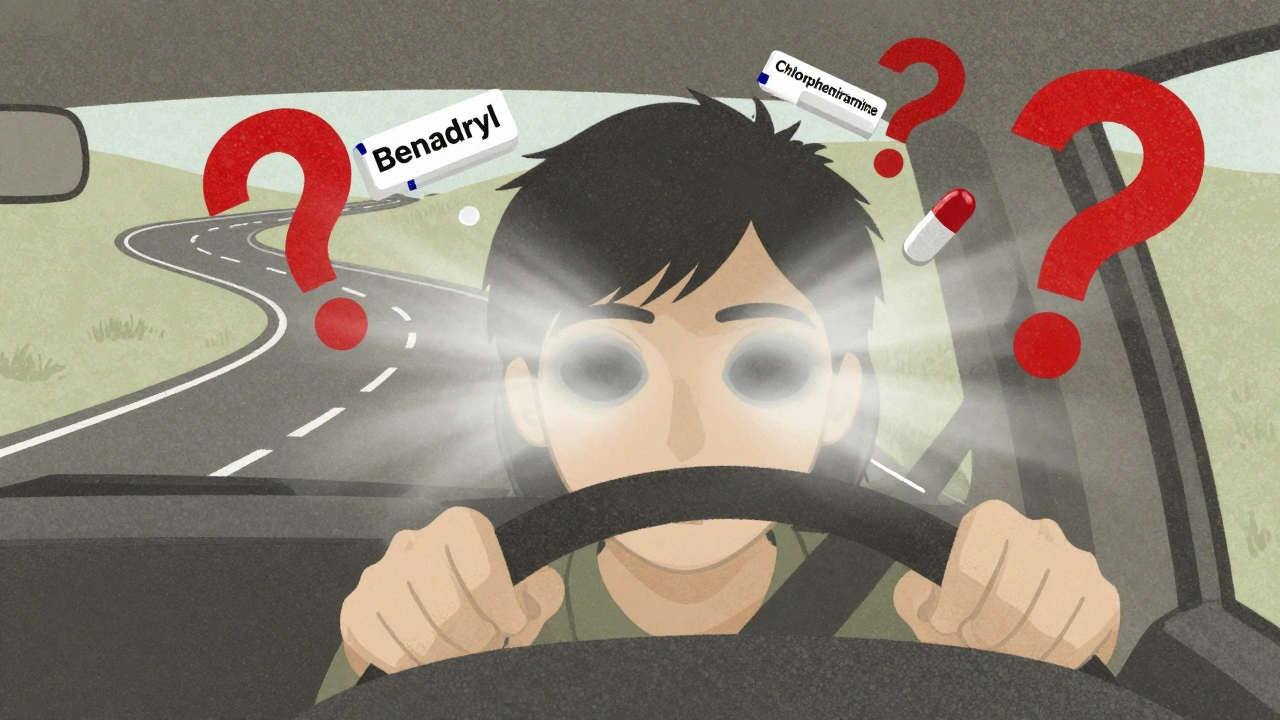
Antihistamines and Driving: What You Need to Know for Safety and Legal Compliance
Many antihistamines impair driving ability-even those labeled 'non-drowsy.' Learn which ones are safe, which are dangerous, and how to protect yourself and others on the road.