Pharmacy Label: What You Need to Know About Medication Labels and Safety
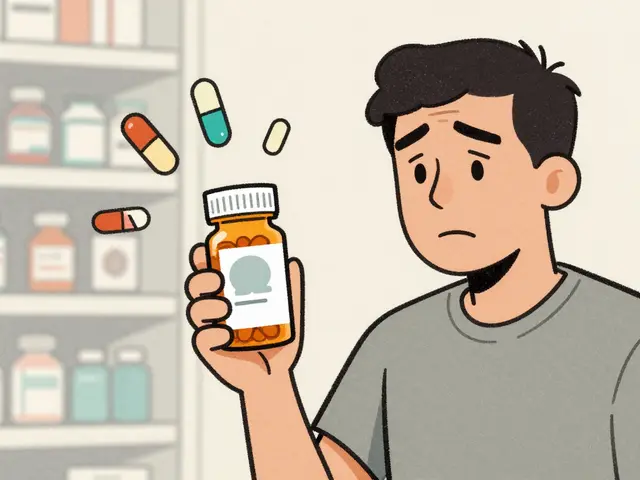
When you pick up a prescription, the pharmacy label, the printed sticker on your medicine bottle that tells you how, when, and how much to take. Also known as prescription label, it’s the last line of defense before you swallow a pill—yet most people glance at it and move on. That’s dangerous. A pharmacy label isn’t just a formality. It’s your personal safety manual for every drug you take, whether it’s brand-name insulin or a $3 generic statin.
The medication labeling, the system of text, symbols, and warnings printed on drug containers by pharmacists follows strict FDA rules, but it’s not always clear. Did you know the same drug can have different labels depending on whether it’s a brand or generic drug label, a version made by a different company that must match the brand in strength, safety, and effect? One study found patients were 40% more likely to skip doses if the label looked unfamiliar—even if the medicine inside was identical. Color, shape, even font size on the label can trigger confusion, especially in older adults or non-native speakers. That’s why cultural differences in pill appearance matter so much—what looks like a harmless blue pill to you might feel like a foreign substance to someone else.
And it’s not just about dosage. The drug safety, the full set of warnings, interactions, and precautions tied to a medication’s use on that label includes hidden risks: foods to avoid, other drugs that can kill you when mixed, symptoms that mean you need to rush to the ER. That little note about "avoid grapefruit"? It’s not a suggestion. It’s a life-or-death warning for certain blood pressure and cholesterol meds. Same with the warning about alcohol and sedatives—mixing them can shut down your breathing. The pharmacy label doesn’t just tell you what to take. It tells you what not to do.
Even the smallest details count. Is the label printed in large enough text? Does it list the reason you’re taking the drug? Are the directions in plain language or medical jargon? Some pharmacies now offer audio labels or QR codes linking to video instructions—especially helpful for people with vision problems or low literacy. But most still rely on tiny print and abbreviations like "QD" or "BID" that confuse even educated patients. And if you refill a prescription months later, does the label still match your current needs? Drug interactions change. Your body changes. Your other meds change. But the label? It rarely updates unless you ask.
What you’ll find in these posts isn’t just theory. It’s real stories from people who missed a warning on their pharmacy label and ended up in the hospital. It’s breakdowns of how generic drug labels differ from brand ones—and why that can matter more than you think. It’s guides on how to read a label like a pharmacist, spot red flags, and ask the right questions before you take that first pill. Whether you’re managing diabetes meds, avoiding dangerous interactions, or just trying to understand why your new pill looks nothing like the last one, the label holds the answers. You just have to know how to read it.
- Dec 4, 2025
- Posted by Cillian Osterfield
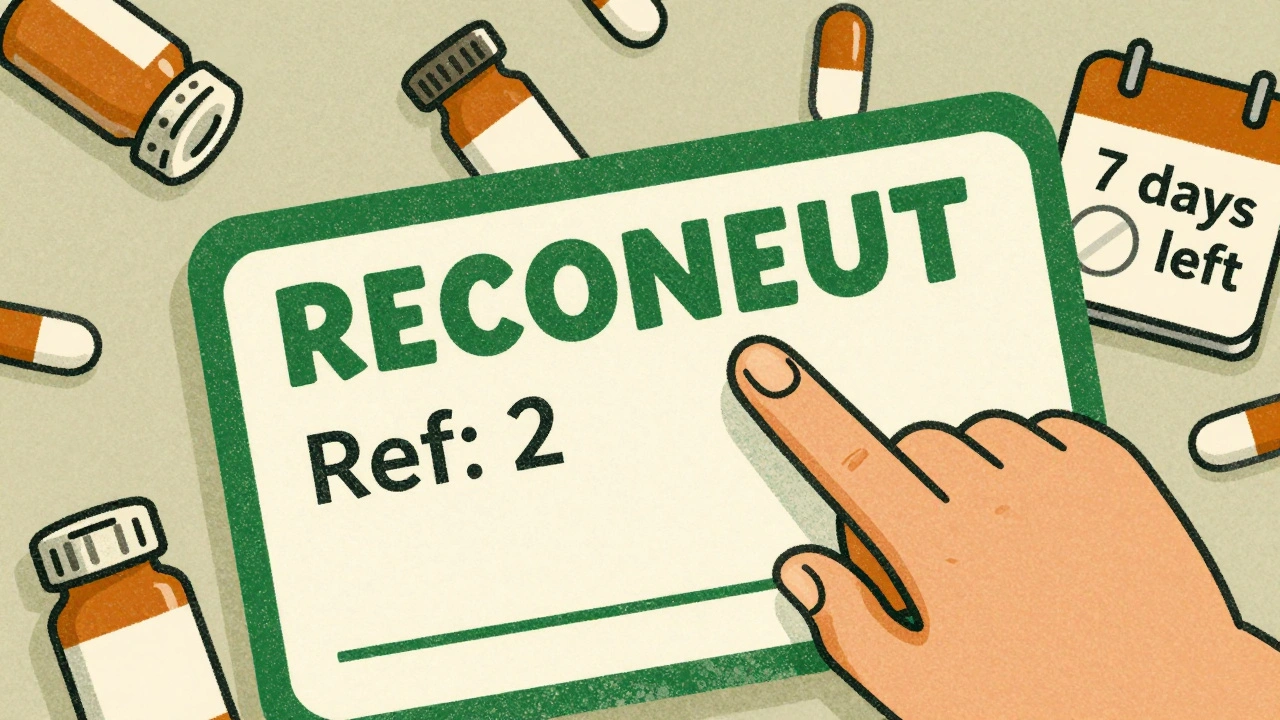
Understanding Refill Information on Your Prescription Label
Learn how to read refill information on your prescription label to avoid running out of medication. Understand what 'Ref: 3' means, when to request refills, and how to use digital tools to stay on track.