High Blood Pressure Emergency: What to Do and What to Avoid
When your blood pressure spikes to dangerous levels, it’s not just a number—it’s a high blood pressure emergency, a life-threatening condition where pressure in the arteries rises fast enough to damage organs. Also known as hypertensive crisis, this isn’t something you wait to see if it passes. It needs immediate action. If your reading hits 180/120 mm Hg or higher—and you have symptoms like chest pain, shortness of breath, blurred vision, or confusion—you’re in a medical emergency. Ignoring it can lead to stroke, heart attack, or kidney failure within minutes.
Many people think high blood pressure is silent because it often has no symptoms. But when it turns into an emergency, your body screams. Headaches, nosebleeds, nausea, and dizziness aren’t just annoyances—they’re red flags. The difference between routine high blood pressure and a crisis? It’s speed and damage. A slow rise over years might be managed with pills. A sudden spike? That’s when your heart, brain, or kidneys start to break down. And it’s not just older adults. Young people with untreated hypertension, drug use, or kidney disease are at risk too.
What you do next matters more than anything. Don’t panic, but don’t wait. Call 911 or get to an ER immediately. Don’t try to lower it yourself with home remedies, extra pills, or cold showers. Some people take too much blood pressure medicine in a panic and crash their pressure too low—just as dangerous. Don’t drive yourself unless you have no other choice. Emergency teams have tools to safely bring pressure down in a controlled way. They know how to avoid shocking your system.
What causes a sudden spike?
It’s rarely random. Common triggers include skipping meds, severe stress, kidney problems, adrenal tumors, or using stimulants like cocaine or amphetamines. Even some over-the-counter cold medicines can do it. People on dialysis or with untreated sleep apnea are also at higher risk. If you’ve had high blood pressure before, know your triggers. Keep your meds on schedule. Don’t skip doses, even if you feel fine. Your body doesn’t care if you’re feeling okay—it only reacts to the numbers.
After the emergency, the real work begins. You’ll need tests—blood work, heart scans, kidney checks—to find out why it happened. Many people walk away thinking they’re fine after one treatment. But without fixing the root cause, it’ll happen again. That’s why follow-up care isn’t optional. It’s survival.
Below, you’ll find real stories and facts from people who’ve been through this—and the medical insights that help others avoid the same mistakes. You’ll learn what actually works in an emergency, what myths to ignore, and how to spot warning signs before it’s too late. This isn’t theory. It’s what saves lives.
- Nov 28, 2025
- Posted by Cillian Osterfield
Severe Hypertensive Crisis from Drug Interactions: What You Need to Know
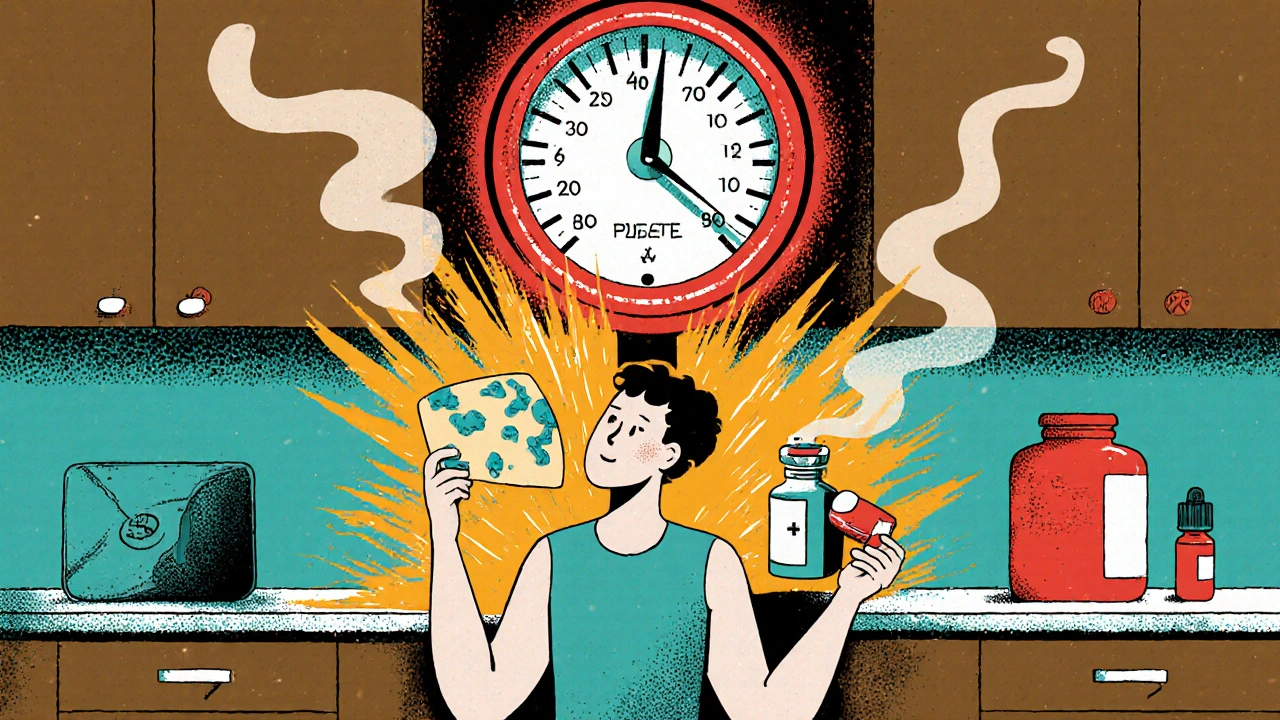
A severe hypertensive crisis from drug interactions can strike suddenly, causing organ damage or death. Learn which medications and foods trigger dangerous spikes in blood pressure-and how to prevent them.
Latest Posts
How to Report Counterfeit or Tampered Medications: Step-by-Step Guide for Patients and Professionals
- 11 Jan, 2026
Understanding the Role of Dabigatran in Preventing Blood Clots After Joint Replacement Surgery
- 1 Jul, 2023