Fexofenadine: What It Is, How It Works, and What You Need to Know
When you're dealing with sneezing, runny nose, or itchy eyes from allergies, fexofenadine, a second-generation antihistamine used to treat seasonal allergies and chronic hives. Also known as Allegra, it works by blocking histamine without crossing into the brain—so you stay alert while your symptoms fade. Unlike older antihistamines like diphenhydramine, fexofenadine doesn’t make most people sleepy, which is why it’s a go-to for daytime use, work, or driving.
Fexofenadine is part of a broader group of antihistamines, medications that block histamine, a chemical your body releases during allergic reactions. It’s often compared to loratadine (Claritin) and cetirizine (Zyrtec), but each has subtle differences in how fast they work, how long they last, and who tolerates them best. For example, fexofenadine is less likely to cause drowsiness than cetirizine, and it’s not affected by grapefruit juice like some other drugs. But here’s the catch: it doesn’t work well if you take it with apple, orange, or grapefruit juice—those can cut its absorption by up to 70%. Always take it with water.
It’s also important to know that drug interactions, how one medication affects another in your body. can turn fexofenadine from helpful to risky. If you’re on antacids with aluminum or magnesium, wait at least two hours before taking fexofenadine—they can block it from working. And while it’s generally safe with most antibiotics or blood pressure meds, your doctor should still check your full list of drugs. People with kidney problems often need lower doses because fexofenadine leaves the body through the kidneys.
Most people take it once or twice a day for hay fever or hives, and side effects are usually mild—headache, nausea, or upset stomach. But if you ever feel your heart racing, get dizzy, or have trouble breathing after taking it, stop and call your doctor. It’s rare, but allergic reactions to antihistamines do happen.
What you’ll find in these articles isn’t just a list of facts—it’s real-world insight. You’ll see how fexofenadine fits into daily life for people managing allergies long-term, how it stacks up against other meds, and what to watch out for when combining it with other treatments. Some posts dive into how it interacts with common pain relievers, how it’s used in kids, and why some people swear by it while others don’t notice a difference. There’s no fluff here—just clear, practical info from real experiences and medical evidence.
- Dec 9, 2025
- Posted by Cillian Osterfield
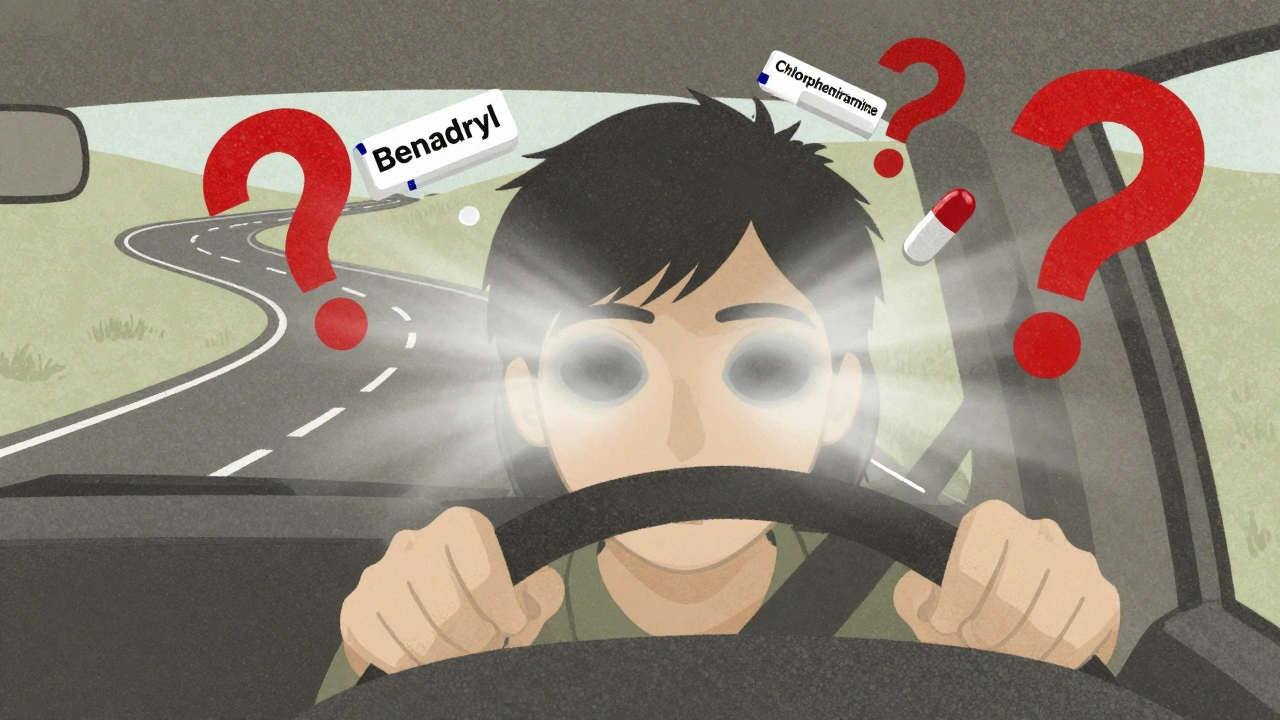
Antihistamines and Driving: What You Need to Know for Safety and Legal Compliance
Many antihistamines impair driving ability-even those labeled 'non-drowsy.' Learn which ones are safe, which are dangerous, and how to protect yourself and others on the road.