Antihistamines: What They Are, How They Work, and What You Need to Know
When your nose runs, your eyes itch, or your skin breaks out in hives, antihistamines, medications that block histamine, a chemical your body releases during allergic reactions. Also known as allergy pills, they’re one of the most common over-the-counter treatments for stuffy noses, sneezing, and itchy skin. Histamine isn’t bad—it’s your body’s alarm system. But when it’s triggered by pollen, pet dander, or even some foods, that alarm goes off too loud. Antihistamines quiet it down.
There are two main types: older ones like diphenhydramine (Benadryl) that make you drowsy, and newer ones like loratadine (Claritin) or cetirizine (Zyrtec) that don’t. The drowsy ones work fast but can mess with your focus, driving, or sleep. The non-drowsy ones take a little longer but let you go about your day. Some people use them just for sleep, but that’s not what they’re meant for—and using them that way long-term can backfire. They’re also used for motion sickness, stomach upset from allergies, and even hives from insect bites.
But here’s the catch: antihistamines don’t play nice with everything. Mixing them with alcohol, sleeping pills, or even some painkillers can make you extra sleepy or dizzy. If you’re on blood pressure meds, antidepressants, or muscle relaxants, you might be at risk for side effects you didn’t expect. That’s why checking with your pharmacist before grabbing a new bottle matters more than you think. And if you’re using them every day for months, it’s worth asking if there’s a better long-term plan—like avoiding triggers or trying nasal sprays instead.
Some of the posts below dig into how antihistamines interact with other drugs, like warfarin or statins, and why that can be dangerous. Others explain how they’re used for conditions beyond allergies, like eczema or chronic hives. You’ll also find real talk about why some people swear by one brand while others find zero relief. There’s no one-size-fits-all answer. What works for your neighbor might do nothing for you. But knowing how these drugs actually work—what they block, what they don’t, and what risks they carry—gives you real power over your symptoms.
- Dec 9, 2025
- Posted by Cillian Osterfield
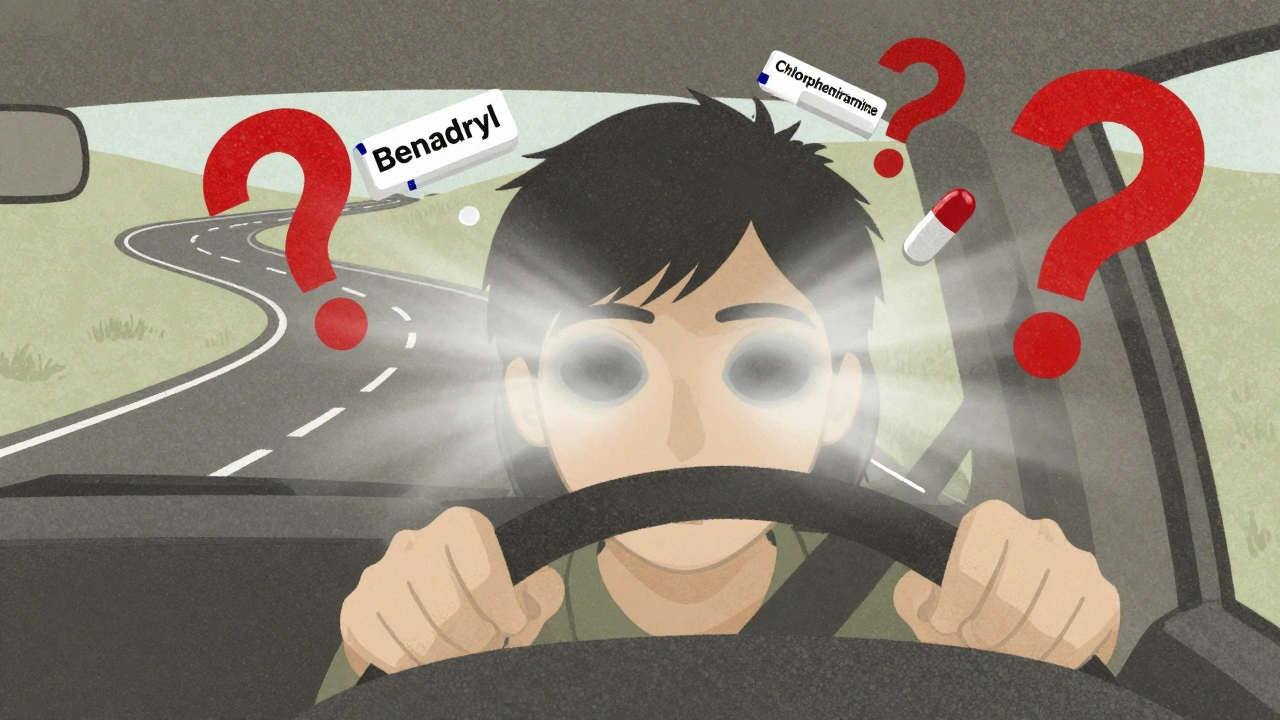
Antihistamines and Driving: What You Need to Know for Safety and Legal Compliance
Many antihistamines impair driving ability-even those labeled 'non-drowsy.' Learn which ones are safe, which are dangerous, and how to protect yourself and others on the road.