
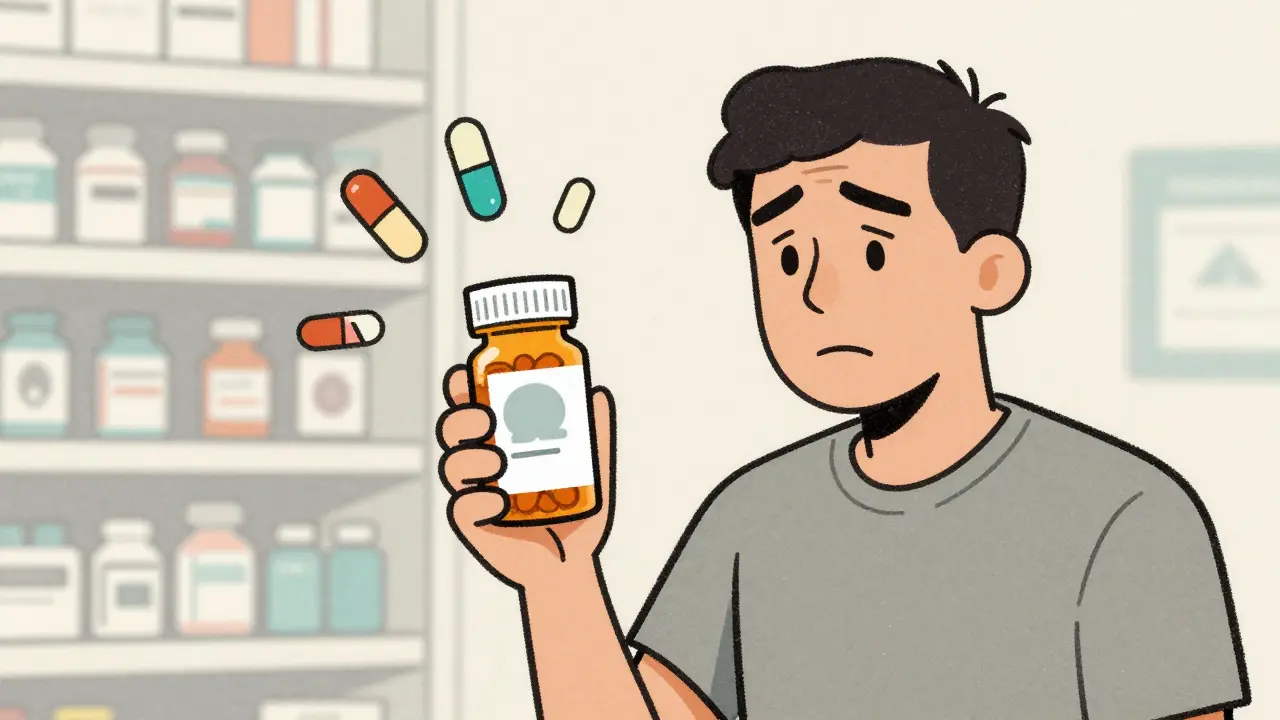
Finding a pill that looks wrong-wrong color, wrong shape, strange taste, or packaging that doesn’t match-can be terrifying. You took it because you trusted the system. Now you’re left wondering: Is this fake? And if it is, what do you do?
Counterfeit or tampered medications aren’t just a problem in distant countries. They’re in pharmacies, online stores, and sometimes even in your medicine cabinet. The World Health Organization estimates 1 in 10 medical products in low- and middle-income countries are fake. But even in places like the U.S. and Canada, the problem is growing. In 2022, Amazon alone received over 7,800 reports of counterfeit drugs. The FDA removed more than 2,300 dangerous products from U.S. markets between 2015 and 2022-mostly because someone like you reported them.
Why Reporting Matters
One report can stop a whole batch of fake pills from reaching others. The FDA found that reports with batch numbers, serial codes, and clear photos led to investigations that were 68% more likely to succeed. A single pharmacist’s tip in 2023 helped identify 142 bad lots of insulin in under two weeks. But if no one speaks up, dangerous drugs stay on shelves. People get sick. Some die.
It’s not just about you. It’s about your neighbor, your parent, your child. Fake insulin, antibiotics, or heart medication can kill silently. Reporting isn’t just a good idea-it’s a public health duty.
What Counts as Counterfeit or Tampered?
Not every odd-looking pill is fake. But here’s what to watch for:
- Packaging with misspellings, blurry logos, or mismatched colors
- Tablets that look different from previous refills-wrong size, shape, color, or imprint
- Medication that tastes strange, doesn’t work as expected, or causes unexpected side effects
- Expiration dates that don’t match the batch or seem too far in the future
- Pills that crumble easily, have unusual texture, or smell off
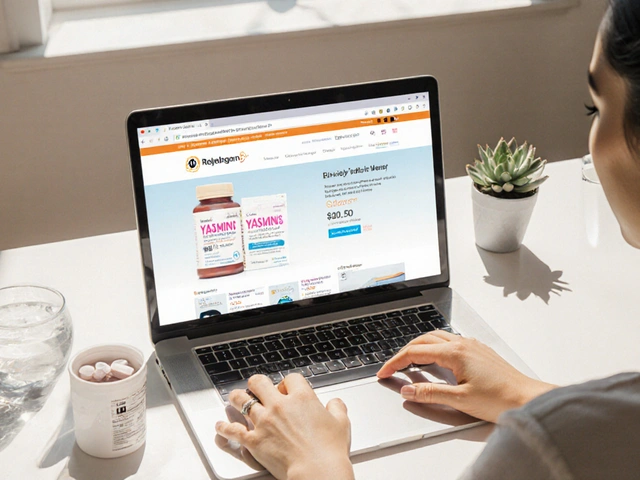
- Prescriptions filled from online pharmacies without a valid license
Even if you’re not sure, report it. The experts can tell the difference. Better to report a false alarm than miss a real threat.
How to Report: Step by Step
Don’t throw the product away. Don’t take more of it. Don’t give it to someone else. Here’s what to do next.
- Preserve the evidence. Keep the pill, bottle, box, receipt, and any packaging materials. Don’t wash or handle the pills more than necessary. Take clear photos of the product from all angles-front, back, side, label, and any seals or tamper-evident features.
- Write down details. Note the drug name (brand and generic), batch number, expiration date, manufacturer, pharmacy name and address, and date of purchase. If you got it online, save the website URL and order confirmation.
- Report to the right place. Depending on where you are and who you are, use one or more of these channels.
For Consumers in the U.S.: Use MedWatch
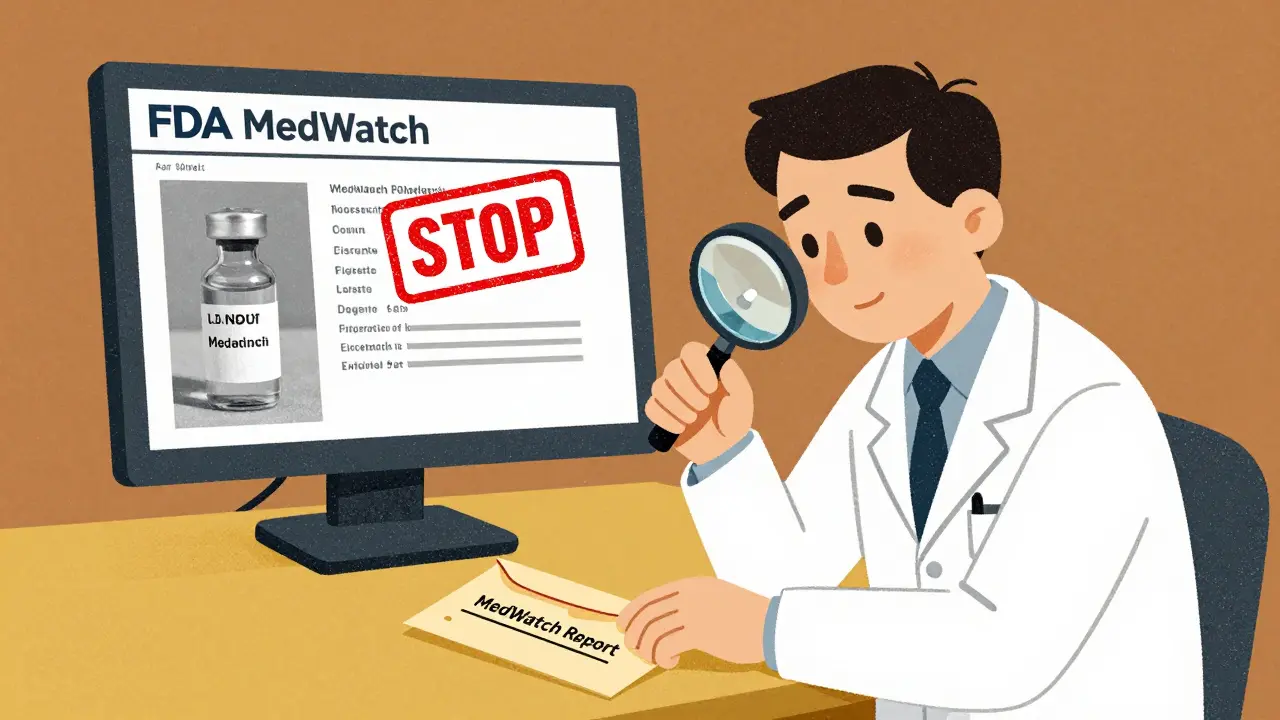
The FDA’s MedWatch program is your main tool. It’s free, confidential, and designed for everyday people.
- Online: Go to fda.gov/medwatch and fill out Form 3500. It takes 12-15 minutes. Upload your photos and documents.
- By phone: Call 1-800-FDA-1088 (1-800-332-1088). A representative will help you complete the report.
- By mail: Download Form 3500, fill it out, and send it to MedWatch, 5600 Fishers Lane, Rockville, MD 20857.
You don’t need to prove it’s fake. Just describe what you saw. The FDA will investigate. If you reported a product that was later confirmed as counterfeit, you’ll get a follow-up letter. But don’t wait for it-your report matters whether you hear back or not.
For Healthcare Professionals
If you’re a pharmacist, nurse, or doctor, your responsibility is higher. You’re on the front lines.
- Stop dispensing. If you suspect a prescription is forged or a product is counterfeit, do not give it to the patient.
- Report to the FDA. Use MedWatch, but also notify your state pharmacy board and local law enforcement.
- Report to the manufacturer. Most drug companies-like Novo Nordisk, Eli Lilly, Pfizer-have direct reporting lines. Find their contact info on their website under “Safety” or “Counterfeit Reporting.”
- Report to DEA if it’s a controlled substance. Suspicious opioids, stimulants, or benzodiazepines? Call the DEA RxAbuse Tip Line at (571) 324-6499 or report online at deadiversion.usdoj.gov.
The DEA says 73% of successful investigations in San Diego started with a tip from a pharmacist. Your knowledge saves lives.
For Supply Chain Workers (Manufacturers, Distributors)
If you’re part of the drug supply chain, the Drug Supply Chain Security Act (DSCSA) requires you to report suspected illegitimate products within 24 hours.
- Use the 3911 platform in CDER NextGen (FDA’s preferred method).
- If you can’t use the platform, email Form FDA 3911 to [email protected].
- Include: product name, NDC, batch number, expiration date, quantity, how you discovered the issue, and any packaging anomalies.
Delays cost lives. The FDA found reports filed within 24 hours led to product removal 4.2 times faster than those filed after 72 hours. Compliance isn’t optional-it’s the law.
Reporting Outside the U.S.
If you’re in Canada:
- For forged prescriptions of monitored drugs, email [email protected] with prescriber details, drug names, and a copy of the prescription.
- For stolen or lost controlled substances, report to Health Canada’s Office of Controlled Substances within 10 days using Guidance Document CS-GD-005.
If you’re in the EU, Australia, or elsewhere, contact your national medicines regulator:
- EU: EudraVigilance (via national agency)
- Australia: TGA (Therapeutic Goods Administration)
- UK: MHRA (Medicines and Healthcare products Regulatory Agency)
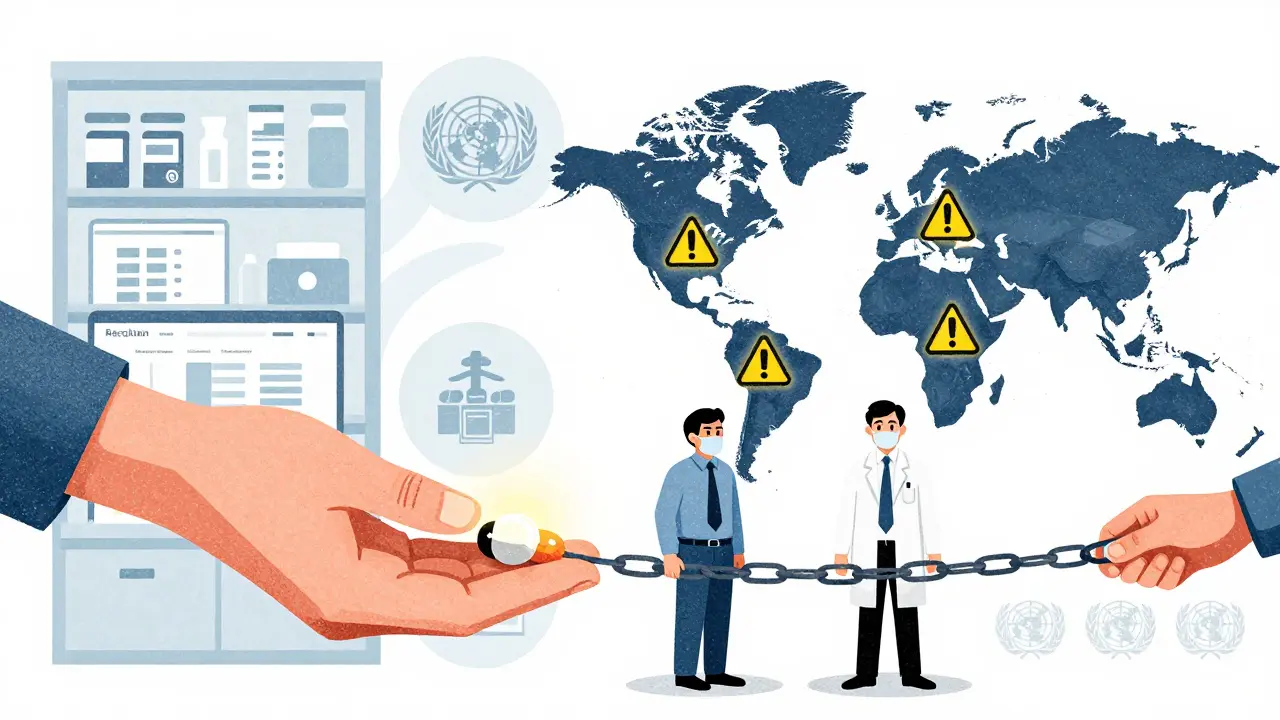
The WHO’s Global Surveillance and Monitoring System collects reports from 141 countries. You can report through your national agency-they’ll forward it if needed.
What Happens After You Report?
It’s not instant. The FDA doesn’t have a team of 100 investigators waiting to spring into action. But here’s what usually happens:
- Your report is logged and assigned a case number.
- Analysts review your photos, batch numbers, and descriptions.
- If it matches other reports, they flag it for field inspection.
- They may contact the manufacturer or pharmacy for verification.
- If confirmed, they issue a public alert and remove the product from shelves.
On average, it takes 14 days for the FDA to respond to a consumer report. That’s too long. But if you report early and include clear details, the process moves faster.
Some people get frustrated when they don’t hear back. That’s normal. The system isn’t perfect. But every report adds to the data. And data drives action.
Red Flags for Online Pharmacies
96% of online pharmacies selling drugs without a prescription are illegal, according to the National Association of Boards of Pharmacy. Watch for:
- No licensed pharmacist available to answer questions
- No physical address or phone number
- Offers of “miracle cures” or drugs without a prescription
- Prices that are way lower than local pharmacies
- Website looks unprofessional or has poor grammar
Only buy from pharmacies with the VIPPS seal (Verified Internet Pharmacy Practice Sites) or those licensed in your country. If in doubt, call your local pharmacy and ask if they’ve heard of the site.
What You Should Never Do
- Don’t take more of the suspicious medication.
- Don’t flush it or throw it away-you need it as evidence.
- Don’t assume someone else will report it.
- Don’t post photos on social media to warn others before reporting-it can interfere with investigations.
- Don’t try to confront the seller or pharmacy yourself.
Future Improvements
Things are getting better. The FDA is testing a smartphone app that lets you take a photo of a pill and automatically pull the batch number, drug name, and manufacturer. Early tests cut reporting time from 14 minutes to under 4 minutes.
By 2027, global regulators aim to have all reporting systems talking to each other. That means a fake drug reported in New Zealand can trigger a warning in Canada, the U.S., and India-all in real time.
Until then, your report is the first line of defense.
Frequently Asked Questions
What if I don’t have the original packaging?
Even without packaging, report it. Take a clear photo of the pill, note the name from your prescription or bottle, and tell them when and where you got it. The batch number is ideal, but not always required. Your description matters.
Will my identity be kept private?
Yes. The FDA, DEA, and other agencies treat all consumer reports as confidential. You don’t have to give your name. If you do, they won’t share it without your permission. Anonymous reports are common and accepted.
Can I report a medication that made me sick?
Absolutely. That’s exactly what MedWatch is for. If you had an unexpected reaction, especially with a new batch of a drug you’ve taken before, report it as a product quality issue or suspected counterfeit. Include your symptoms, dosage, and when it happened.
How do I know if my report led to an action?
You won’t always get a direct update. But the FDA publishes public alerts for confirmed counterfeit products. Search their website for “Drug Safety Communications” or check the MedWatch summary page. If your report was part of a major recall, you may get a letter.
Is it worth reporting a single pill?
Yes. One fake pill can be part of a batch of thousands. The FDA found that 80% of counterfeit drug cases started with a single consumer report. Your one report could prevent hundreds of others from being harmed.
Next Steps
If you’ve ever doubted whether to report a suspicious medication-don’t. Report it. Keep the pill. Take the photo. Write down the details. Call 1-800-FDA-1088. Fill out the form. It’s not complicated. It’s not scary. It’s necessary.
Every time you report, you’re not just protecting yourself. You’re protecting your community. You’re making sure the next person who takes that medicine gets the real thing-not a dangerous copy.


12 comments
Jennifer Phelps
I once bought a bottle of ibuprofen that tasted like plastic. I didn't report it because I thought I was just being paranoid. Now I know better. I saved the bottle and filed a MedWatch report last week. Took 10 minutes. No one called me back. But I sleep better knowing someone might check it out.
beth cordell
This is so important 💪❤️ I work at a pharmacy and we had a batch of metformin that looked off-too shiny, weird smell. We pulled it and reported it. Turned out it was fake. Someone could’ve died. Don’t ignore weird pills! 🚨💊
Lauren Warner
The FDA is a joke. They sit on reports for weeks while people die. And you think a form 3500 is going to fix systemic corruption? Wake up. The real problem is pharma lobbying and deregulation. This guide is a Band-Aid on a hemorrhage.
Craig Wright
I find it deeply concerning that the United States relies so heavily on consumer reporting rather than proactive regulatory oversight. In the UK, the MHRA conducts routine audits and surveillance. To expect laypersons to act as de facto inspectors is both inadequate and irresponsible.
Daniel Pate
It’s interesting how we treat medicine as both sacred and disposable. We trust the system implicitly until something feels off-then we’re left alone to navigate bureaucracy. But what if the system itself is designed to absorb blame? Who’s accountable when the manufacturer, distributor, and regulator all point fingers? Reporting feels like a moral act, but it’s also a symptom of a broken chain.
Jose Mecanico
Good guide. I’ve seen people throw away suspect meds instead of reporting. I always keep the bottle. Even if it’s just one pill. Better safe than sorry. Thanks for putting this together.
Alex Fortwengler
Let’s be real-90% of these fake pills come from China and are sold by shady Amazon sellers. The government doesn’t care until someone dies. And even then, they slap a warning and move on. I’ve bought pills off Instagram before. Not anymore. But the fact that people still do? That’s the real tragedy.
jordan shiyangeni
I cannot believe how many people still think it’s acceptable to purchase medication from unverified online sources. This isn’t just negligence-it’s a moral failing. You are not entitled to cheap pharmaceuticals at the expense of public safety. The fact that this guide even needs to exist speaks volumes about the collective ignorance of the American public. I’ve reported three fake prescriptions in the last year. No one thanked me. But I did it anyway.
Cecelia Alta
I had a friend who took fake Xanax and ended up in the ER. She almost died. Her mom cried for three days. And guess what? The pharmacy said ‘it’s not our fault, we got it from a wholesaler.’ So now I check every pill I get. I take pictures. I screenshot the website. I send emails. I’ve become obsessed. I don’t care if I seem crazy. I’d rather be the weirdo who saved someone than the one who didn’t do anything.
Sonal Guha
Report fake meds dont wait
Jessica Bnouzalim
YES YES YES!!! This is the kind of info we need to spread like wildfire!!! 💥 I just shared this with my entire family group chat-my grandma takes 7 meds a day, my brother buys supplements off Facebook, my cousin is on insulin… WE CAN’T WAIT FOR SOMEONE ELSE TO DO THIS!!! PLEASE, PLEASE, PLEASE share this with someone you love. One report = one life saved. It’s that simple. I’m crying typing this. Thank you for writing this!!!
Bryan Wolfe
You’re doing amazing work just by reading this. Seriously. If you’ve made it this far, you care. And that matters more than you think. Keep the pill. Take the photo. Call 1-800-FDA-1088. You don’t need to be a hero-you just need to be willing to act. I’ve done it twice. Both times, they followed up. One was a fake blood pressure med. The other? Fake insulin. You think it won’t happen to you? It already has. And you’re the reason it won’t happen again.