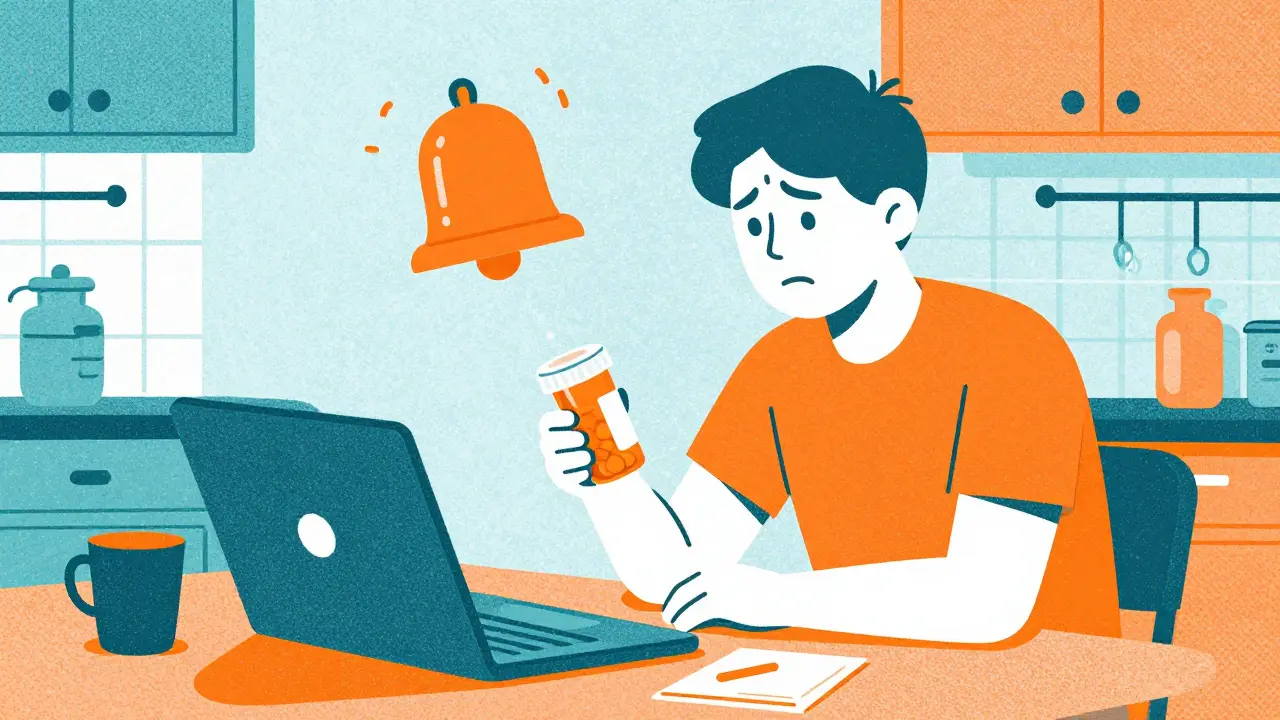
When a
Generic Drug Recall is
a process where a pharmaceutical company removes a medication from the market because it is defective or potentially harmful
occurs, it is rarely an accident. Most of the time, it's a voluntary move. In fact, about 98% of recalls are initiated by the manufacturers themselves. They might spot a trend in patient reports or find a glitch in their own lab tests. The
FDA (U.S. Food and Drug Administration) acts more as the referee than the police, guiding the process and classifying the risk level so doctors and patients know how urgent the situation is.
Beyond sterility, other common triggers include: Not necessarily. While some recalls are urgent (Class I), others are minor. Stopping a critical medication without a replacement can cause severe health complications. Your first step should always be to call your pharmacist or doctor to determine the specific risk of your lot number and a safe transition plan. This usually indicates a systemic failure in "quality culture" rather than a one-time mistake. If a company fails to maintain its manufacturing environment (CGMP violations), every drug produced in that facility is potentially contaminated or substandard, leading to a wide-scale recall of multiple products. The most reliable way is to use the FDA's searchable Enforcement Reports database. You will need the drug name and the lot number (usually found on the side of the bottle or the box) to confirm if your specific batch is affected. A voluntary recall is initiated by the manufacturer, often after discovering a quality issue. A mandatory recall is ordered by a regulatory agency. In the U.S., most recalls are voluntary because the FDA works collaboratively with industry, though the agency can request or recommend a recall if a company is hesitant. A Class I recall means there is a significant chance that the drug could cause serious harm or death. These are the highest priority alerts and usually require the most immediate action from patients and healthcare providers.The Three Levels of Recall Severity
Not every recall is a life-or-death emergency. The FDA categorizes these alerts into three classes based on how much harm the drug could actually cause. If you see a recall notice, the first thing to look for is the "Class" designation, as it tells you exactly how worried you should be.
What Actually Triggers the Alarm?
So, what's happening inside the factory that leads to a recall? It usually boils down to a few specific technical failures. If you look at the data from the last decade, sterility is the biggest culprit, accounting for 37% of all FDA recalls. When a sterile environment is compromised, bacteria or fungi can enter the drug, which is a nightmare for patients with weakened immune systems.
To prevent these, companies must follow
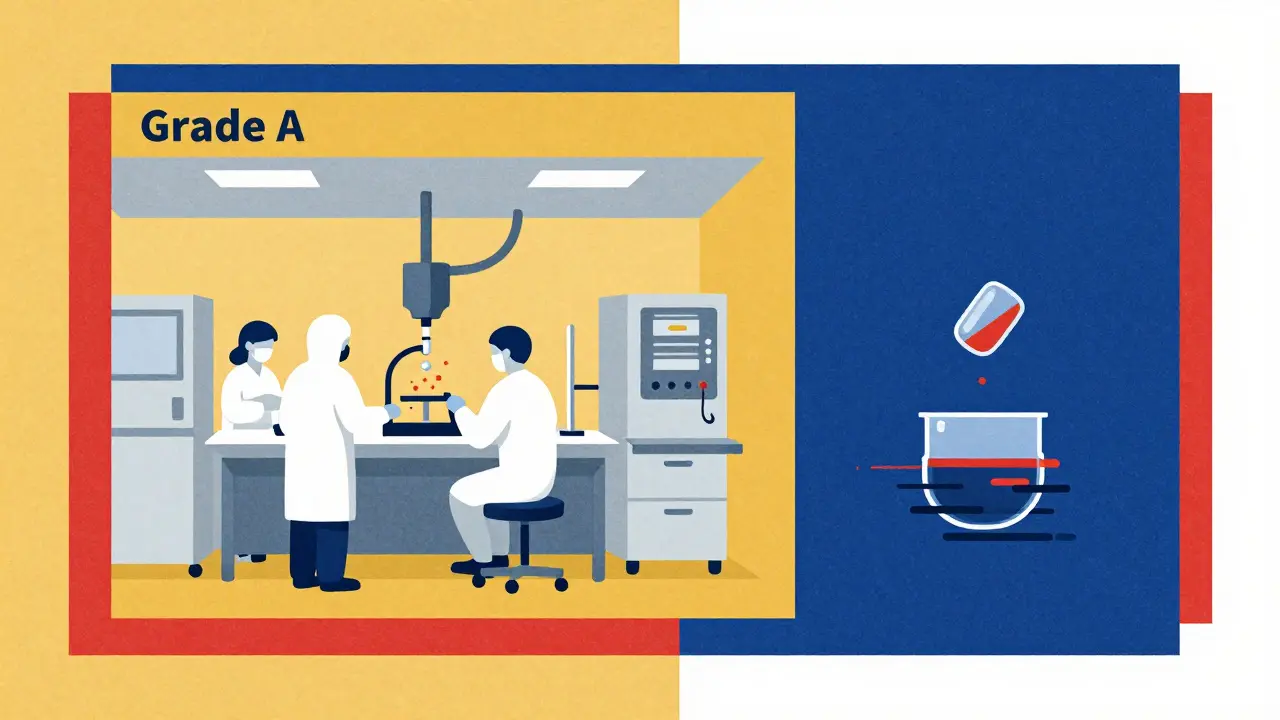
cGMP, which stands for Current Good Manufacturing Practice. These are the strict rules for how drugs are made. For example, in "Grade A" sterile environments, air quality is tested with particle counters to ensure almost zero contaminants are present. When a company fails these tests, the FDA steps in.
The Global Manufacturing Blind Spot
Here is where things get tricky. The U.S. doesn't make everything it uses. Roughly 80% of the ingredients for generic drugs come from India and China. This creates a massive oversight challenge. If a factory is in the U.S., the FDA inspects it roughly every 1.8 years. But for a foreign facility? That gap jumps to an average of 4.6 years.
Feature
Domestic (U.S.) Facilities
Foreign Facilities (India/China)
Average Inspection Frequency
Every 1.8 Years
Every 4.6 Years
Recall Detection Time
Faster (Internal/Regulatory)
Slower (Often external reports)
Reporting System
Direct FDA Oversight
Heavy reliance on self-reporting
Risk of Gaps
Low to Moderate
High (Regulatory "Blind Spots")
What Happens After the Alert is Issued?
Once the trigger is pulled and the alert goes live, a race against time begins. The FDA recommends that healthcare providers review the notice within 24 hours and notify patients within 72 hours. In the real world, this is harder than it sounds. Pharmacists often have to manually track down hundreds of patients using records that might be outdated.
For a patient, the instinct is often to stop taking the medicine immediately. However, this can be dangerous. If you suddenly stop a medication for a condition like hypertension or epilepsy, the withdrawal or relapse can be more dangerous than the recall itself. The gold standard is to contact your pharmacist or doctor first to see if you need a replacement or if the risk is low enough to continue until a new batch arrives.
The Future of Drug Safety: AI and Blockchain
We are moving away from a system based on "hope and check" toward one based on real-time data. The FDA is currently investing in AI-powered predictive analytics to spot quality trends before a recall is even necessary. They want to see a spike in "near-misses" and step in early.
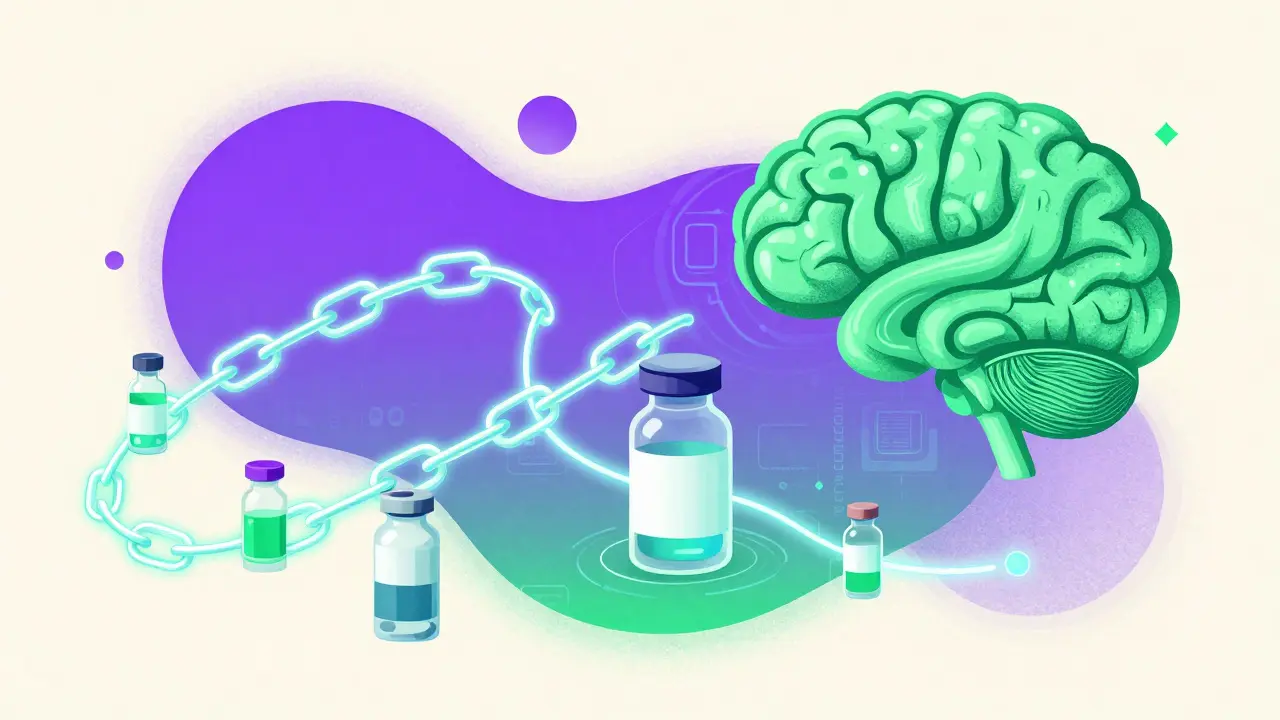
Another game-changer is
Blockchain technology. In 2023, only 3% of supply chains used it; by 2025, that number grew to 18%. Blockchain allows a company to trace a specific bottle of pills back to the exact batch of raw ingredients in seconds. This means instead of recalling 100,000 bottles because they *might* be bad, they can pinpoint the exact 500 bottles that *are* bad.
Should I stop taking my medication immediately if I see a recall?
Why are so many generic drugs recalled from the same company?
How can I find out if my specific medication is recalled?
What is the difference between a "voluntary" and "mandatory" recall?
What does "Class I」 actually mean for the average patient?


4 comments
Nikki Grote
The reliance on cGMP compliance is the bedrock here, but the real issue is the lack of real-time pharmacokinetic data during the manufacturing process. If we implement more robust Process Analytical Technology (PAT), we could mitigate these potency fluctuations and sterility breaches before the API even leaves the reactor. The blockchain integration is a huge step for traceability, but we need a standardized global ledger to truly eliminate the blind spots in the supply chain.
Maggie Graziano
just a cover for the real stuff
Colleen Tankard
This is so eye opening! 😱 Always good to know what's going on behind the scenes. Stay safe everyone! ✨💊
Tama Weinman
Funny how we just accept a 4.6 year gap for foreign inspections. It's almost like they want the quality to slip so we stay dependent on certain suppliers. The 'voluntary' part is just a corporate shield to avoid legal liability while they play games with our health. Just follow the money and you'll see why the FDA acts like a 'referee' instead of actually policing the borders.