Eating Disorders: Signs, Treatments, and What Medications Can Help
When someone struggles with an eating disorder, a serious mental health condition that involves unhealthy relationships with food, body image, and weight. Also known as food-related psychiatric disorders, these conditions don’t just affect how much someone eats—they reshape their entire sense of self, safety, and survival. Anorexia nervosa, bulimia nervosa, and binge eating disorder are the most common types, each with distinct behaviors but shared roots in anxiety, control, and emotional pain.
These disorders rarely exist alone. They often overlap with depression, OCD, or trauma, and they’re strongly linked to hormonal imbalances and brain chemistry changes. That’s why treatment usually needs more than just nutritional advice. Medications like SSRIs—used for depression—are sometimes prescribed to help with obsessive thoughts around food or to reduce binge-purge cycles. For example, fluoxetine (Prozac) is the only FDA-approved drug specifically for bulimia, and it’s been shown to cut bingeing episodes by nearly half in clinical studies. But no pill fixes an eating disorder on its own. Recovery needs therapy, support, and time.
What’s often missed is how physical health crumbles alongside mental health. People with long-term anorexia can develop heart rhythm problems, bone loss, or kidney failure. Those with binge eating disorder are more likely to develop type 2 diabetes or high blood pressure. That’s why the posts below cover topics like hypoglycemia, low blood sugar caused by erratic eating patterns or diabetes meds, and how obesity comorbidities, the cluster of conditions like diabetes and sleep apnea that often follow long-term weight struggles tie into recovery. Even drug interactions matter—some medications used for anxiety or depression can worsen nausea or appetite loss, making recovery harder.
You won’t find quick fixes here. But you will find real, practical insights from people who’ve lived through this, and from doctors who treat it. The articles below cover how medications interact with recovery, what side effects to watch for, how to spot warning signs in loved ones, and why some treatments work better than others. Whether you’re struggling yourself, supporting someone else, or just trying to understand how food and mental health connect, this collection gives you the facts without the fluff.
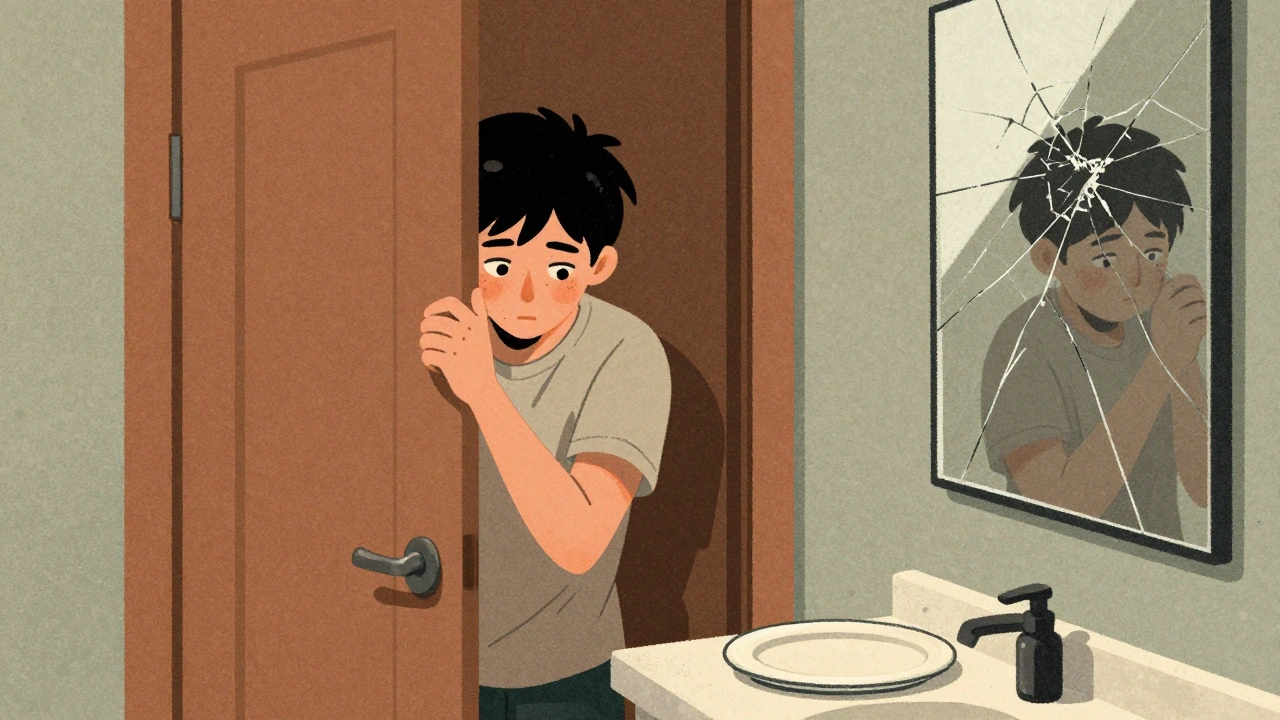
- Dec 8, 2025
- Posted by Cillian Osterfield
Eating Disorders: Understanding Anorexia, Bulimia, and What Actually Works in Treatment
Anorexia and bulimia are life-threatening mental illnesses with proven treatments. Learn what actually works-Family-Based Treatment, CBT-E, and the barriers keeping people from care.