
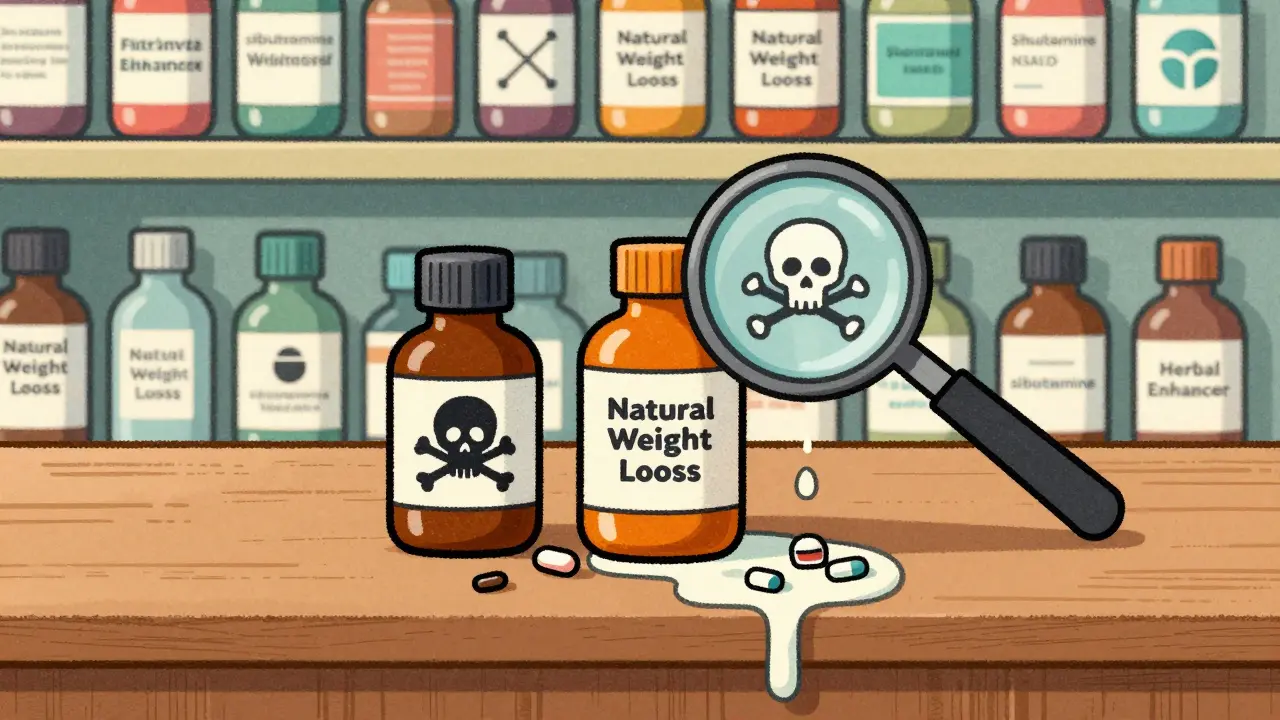
Every year, millions of people reach for over-the-counter (OTC) medications and supplements without a second thought. They assume these products are safe because they’re sold on store shelves, not behind a pharmacy counter. But here’s the truth: many OTC products contain hidden ingredients that can send you to the hospital-or worse. These aren’t mistakes. They’re deliberate. And they’re more common than you think.
What’s Really in Your Supplements?
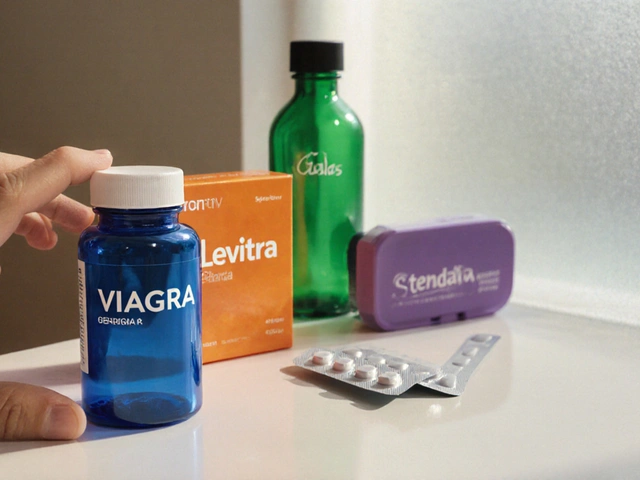
You pick up a bottle labeled "all-natural weight loss formula" or "herbal sexual enhancer" and assume it’s just herbs and vitamins. But lab tests tell a different story. Between 2007 and 2021, the FDA identified over 1,000 dietary supplements containing active pharmaceutical ingredients banned for safety reasons. Sibutramine, a weight-loss drug pulled from the market in 2010 after it raised heart attack and stroke risk by 16%, shows up in 397 products. Phenolphthalein, a laxative linked to DNA damage and cancer, was found in 124 weight loss pills. And sexual enhancement products? Nearly 9 out of 10 contain sildenafil or tadalafil-the exact ingredients in Viagra and Cialis-without listing them on the label.It gets worse. One in five of these contaminated products had multiple hidden drugs. Some had three or more. There were even cases of single pills containing six different prescription drugs. One joint pain supplement was found to include a steroid, an NSAID, an antidepressant, and a blood pressure medication-all unlisted. You’re not just taking a supplement. You’re taking a cocktail of unregulated, untested pharmaceuticals.
Why Do Companies Do This?
The answer is simple: profit. Supplements aren’t held to the same standards as prescription drugs. Under the Dietary Supplement Health and Education Act of 1994, manufacturers don’t need FDA approval before selling. They don’t have to prove safety. They don’t have to prove effectiveness. All they need is a label that says "dietary supplement." That loophole lets companies cut corners. Add a cheap, powerful drug like sibutramine to a powdered blend, and suddenly your product works faster than any herbal extract ever could. Consumers notice results. They leave reviews. Sales climb. The company makes money. The FDA only finds out after people get sick.And because most of these products are sold online-through Amazon, Instagram, or shady websites-the FDA struggles to keep up. Only 17 full-time staff members are assigned to monitor all dietary supplements in the U.S. Meanwhile, the global supplement market is expected to hit $88 billion by 2028. It’s a system where the fox is guarding the henhouse.
What Happens When These Ingredients Mix?
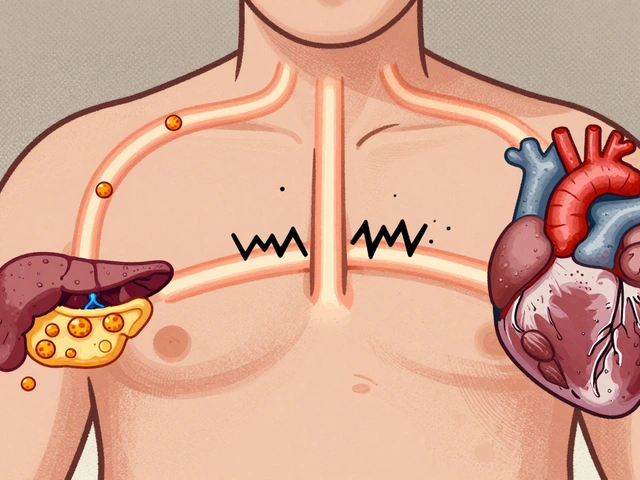
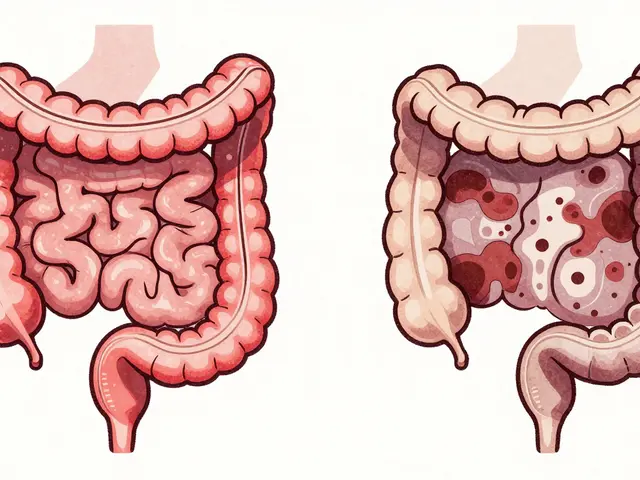
The real danger isn’t just the hidden drugs-it’s what happens when they interact with what you’re already taking. If you’re on blood pressure medication and take a "natural" weight loss pill with sibutramine, your blood pressure could spike to dangerous levels. If you’re diabetic and use a supplement with hidden stimulants, your blood sugar could go haywire. If you’re on antidepressants and take a supplement with hidden SSRIs, you risk serotonin syndrome-a life-threatening condition.NSAIDs like ibuprofen and naproxen are common in OTC pain relievers. They’re safe for most people when used correctly. But when hidden ingredients like corticosteroids or other NSAIDs are added to joint pain supplements, the risk of stomach bleeding, kidney failure, or heart attack skyrockets. The American College of Gastroenterology says NSAID-related complications cause 100,000 hospitalizations and 16,500 deaths in the U.S. every year. Hidden ingredients make those numbers worse.
And it’s not just older adults. Teens are getting hurt too. The "Benadryl challenge" on TikTok and Instagram led to overdoses of diphenhydramine-the active ingredient in allergy meds-causing hallucinations, seizures, and at least three deaths in 2020-2021. People thought they were just taking a common cold medicine. They didn’t realize how much was too much.
Real People, Real Consequences
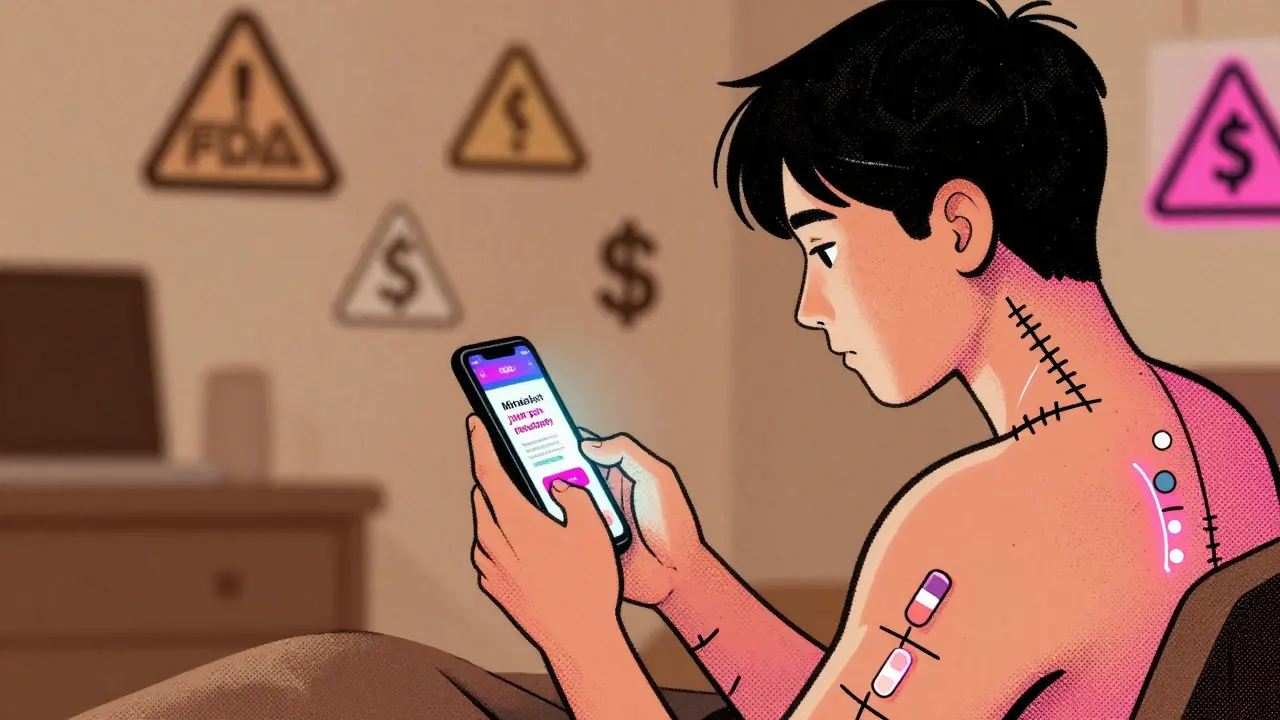
One Reddit user bought a "natural" weight loss pill that made their heart race. Their blood pressure hit 180/110. They went to the ER. The pill tested positive for sibutramine. Another person took a sexual enhancement supplement and developed priapism-a painful, hours-long erection that required emergency surgery to prevent permanent damage. A woman in her 60s, taking medication for cholesterol and high blood pressure, started a new "joint support" supplement. Within a week, she had liver failure. Testing revealed the product contained hidden NSAIDs and a banned diuretic.These aren’t rare cases. Consumer Reports collected 273 adverse event reports linked to contaminated supplements between 2015 and 2020. Common complaints? Rapid heartbeat, severe nausea, dizziness, unexplained bruising, and allergic reactions to ingredients never listed on the bottle. And here’s the kicker: fewer than 1 in 300 of these incidents are ever reported to the FDA. The true scale of the problem is invisible.
How to Protect Yourself
You don’t have to give up OTC meds or supplements. But you need to be smarter. Here’s how:- Check the FDA’s Health Fraud Product Database before buying anything. Type in the product name or brand. If it’s listed, walk away. If it’s not listed, that doesn’t mean it’s safe-but it’s a start.
- Avoid "miracle" claims. If a product promises "rapid weight loss," "instant results," or "clinically proven to boost performance," it’s likely adulterated. Legitimate supplements don’t make these promises.
- Look for third-party seals. USP, NSF International, and ConsumerLab.com test products for what’s actually in them. These aren’t perfect, but they’re far better than nothing.
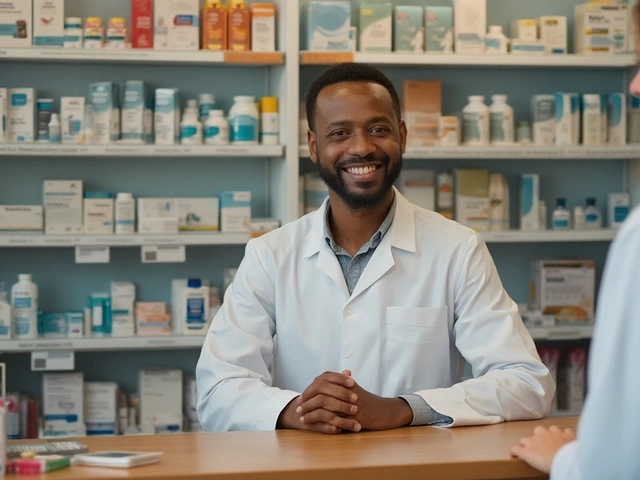
- Use the 5-5-5 Rule. Before buying any OTC product: spend 5 minutes Googling it, 5 minutes checking the FDA database, and 5 minutes talking to a pharmacist. Pharmacists see the fallout every day. They know what’s dangerous.
- Keep a full medication list. Write down every pill, powder, drop, or patch you take-including vitamins, herbs, and supplements. Bring it to every doctor’s visit. Studies show 63% of adverse events happen because patients don’t tell their doctors what they’re taking.
- Be extra careful with sexual and weight loss products. Over 87% of sexual enhancement supplements contain hidden PDE5 inhibitors. Over 70% of weight loss pills contain banned stimulants or appetite suppressants. If it sounds too good to be true, it is.
What’s Being Done? (And Why It’s Not Enough)
There’s some progress. The FDA now requires more documentation for new ingredients. In 2023, Congress introduced the OTC Medication Safety Act, which would force companies to report adverse events and give the FDA more power to pull dangerous products. It has bipartisan support. But enforcement is still weak. It takes an average of 14 months for the FDA to remove a dangerous product after it’s identified. Meanwhile, new ones pop up every week.Industry groups like the Council for Responsible Nutrition claim to promote safety, but they’re made up of supplement makers themselves. They can’t enforce rules. They can only give advice. And with only 0.3% of adverse events reported to the FDA, there’s no real pressure to change.
Experts agree: the system is broken. Sixty-eight percent of pharmacists surveyed in 2022 said they have low confidence in the current system’s ability to protect consumers. And with e-commerce sales growing fast, the problem is getting worse, not better.
Final Advice: Trust, But Verify
OTC medications and supplements aren’t inherently dangerous. But the lack of oversight makes them unpredictable. You can’t assume safety just because it’s on a shelf. You can’t trust a label that says "natural" or "herbal." You have to verify.Ask yourself: Why is this product cheaper than a prescription drug with the same effect? Why does it work so fast? Why isn’t it listed on any major pharmacy’s shelves? If the answers make you uneasy, they should. Your body doesn’t care if something is "natural" or "over-the-counter." It only responds to what’s actually in it.
Stay informed. Stay skeptical. And never, ever take something without knowing exactly what’s inside.
Are over-the-counter supplements regulated like prescription drugs?
No. Unlike prescription drugs, OTC supplements don’t need FDA approval before being sold. Manufacturers are responsible for proving safety themselves, and the FDA only steps in after problems arise. This creates a major gap where dangerous, untested ingredients can slip through.
Can OTC pain relievers like ibuprofen be dangerous?
Yes. Even regular NSAIDs like ibuprofen and naproxen can cause stomach ulcers, kidney damage, heart attacks, and strokes-especially if taken long-term or in high doses. When hidden NSAIDs are added to joint or arthritis supplements, the risk multiplies. Many people don’t realize they’re doubling their dose without knowing it.
How do I know if a supplement has hidden drugs?
You can’t always tell by looking. But you can reduce risk by checking the FDA’s Health Fraud Product Database, avoiding products with exaggerated claims, and choosing supplements with third-party verification seals like USP, NSF, or ConsumerLab.com. If a product is sold online with no clear manufacturer, assume it’s unsafe.
Why are sexual enhancement supplements so risky?
Because 87% of them contain sildenafil or tadalafil-prescription drugs for erectile dysfunction-without listing them. These can dangerously lower blood pressure, especially if you’re on heart medication. They can also cause priapism, a painful, prolonged erection that can lead to permanent damage if not treated quickly.
What should I do if I think a supplement made me sick?
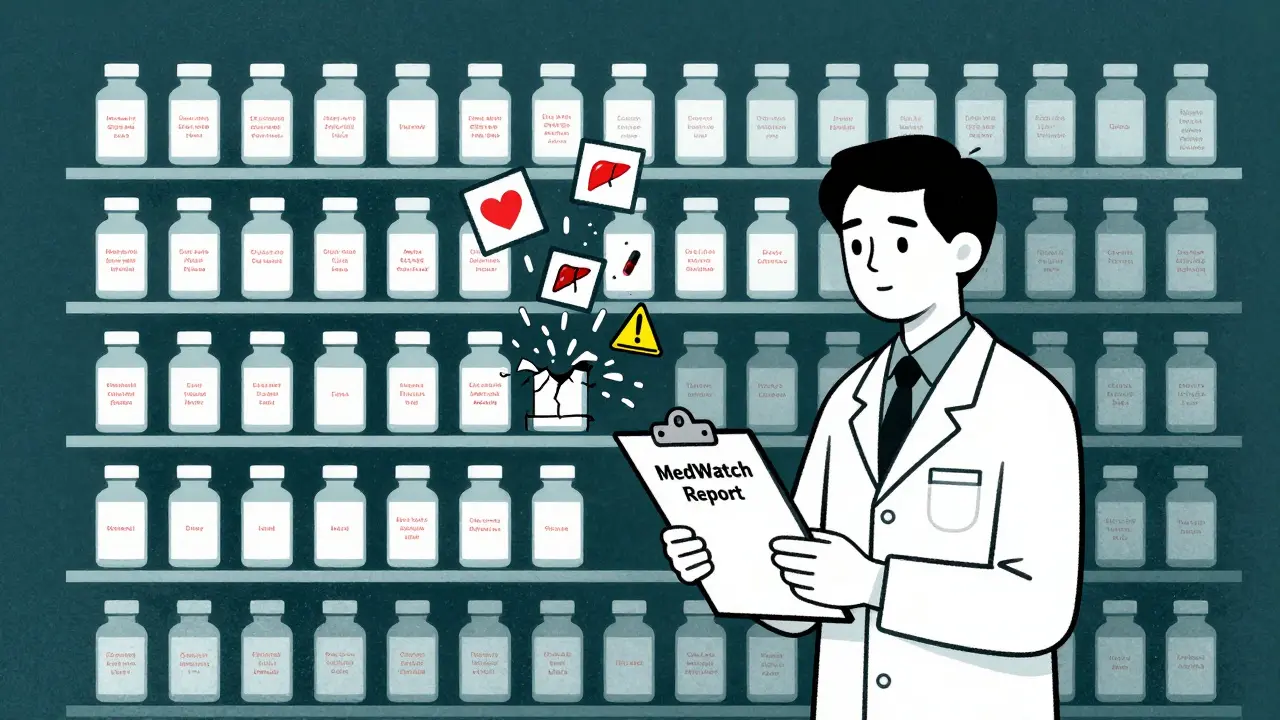
Stop taking it immediately. Contact your doctor or go to the ER if you have symptoms like chest pain, rapid heartbeat, confusion, or severe nausea. Report the product to the FDA through their MedWatch system. Even one report helps track dangerous products and protect others.
Are there safe alternatives to OTC supplements?
Yes. For weight loss, focus on diet, movement, and sleep-no pill replaces that. For joint pain, physical therapy, heat/cold therapy, and evidence-based supplements like glucosamine (with a USP seal) are safer options. For sleep or anxiety, talk to a doctor before using diphenhydramine or melatonin blends. Real health doesn’t come from a bottle-it comes from informed choices.

12 comments
Annette Robinson
I’ve seen this firsthand-my aunt took one of those ‘miracle’ weight loss pills and ended up in the ER with a heart rate over 150. She didn’t even know what she was taking. It’s terrifying how easy it is to get hurt when you’re just trying to feel better.
Always check the FDA database now. I keep a screenshot of it on my phone. Better safe than sorry.
And please, talk to your pharmacist. They’re not just the people who hand you pills-they’re the ones who’ve seen the damage.
Luke Crump
Oh, so now we’re treating supplements like nuclear warheads? Let me guess-next you’ll tell us water is dangerous because people drown in it.
It’s not the supplements. It’s the human tendency to seek magic pills for lazy living. If you want to lose weight, eat less. If you want stronger joints, move more. Stop outsourcing your biology to some guy in a basement in Shenzhen selling ‘ancient Tibetan herbs’ on Instagram.
The real crisis? Our collective refusal to take responsibility for our own health.
Manish Kumar
Let me tell you something, in India, this problem is even worse-because here, you don’t even need a pharmacy license to sell these things. You can buy a bottle of ‘powerful male enhancer’ from a roadside stall next to samosas, and the vendor will swear it’s made by a yogi in the Himalayas.
And guess what? The ingredients? Sometimes they’re just sugar and caffeine. Sometimes they’re sildenafil, steroids, and antidepressants-all mixed in a plastic bag with a label printed on a dot-matrix printer.
People die here too, but no one reports it. The family just says ‘he had a heart attack’ and moves on. No one wants to admit their uncle bought magic pills from a guy who smelled like curry and cigarettes.
And the government? They’re busy fighting over who gets the most subsidies. Safety? That’s a Western luxury we can’t afford.
But here’s the truth: you don’t need a PhD to understand that if something works too fast, it’s probably poisoning you. The body doesn’t do miracles. Only chemistry does. And chemistry doesn’t care if you call it ‘natural’ or ‘herbal.’
Prakash Sharma
Who cares if some pills have hidden drugs? The West is full of weaklings who can’t handle real medicine. In India, we’ve been using ayurvedic mixtures for thousands of years-no FDA needed. If your body can’t handle a little extra stimulant, maybe you’re not meant to be healthy.
These Americans act like they’re entitled to perfect health without effort. They want to sit on the couch, eat junk, and take a pill to fix it. Then they cry when it backfires.
Stop blaming the supplements. Blame your laziness. Blame your culture. Blame your weak willpower.
And if you’re going to die from a pill you bought online, at least die with dignity. Don’t whine about regulation.
Kristina Felixita
OMG I JUST REALIZED I BOUGHT ONE OF THOSE JOINT SUPPLEMENTS LAST MONTH 😭 I’VE BEEN TAKING IT BECAUSE MY KNEES HURT FROM WALKING THE DOG… BUT I’VE ALSO BEEN ON BLOOD PRESSURE MEDS FOR 3 YEARS… I’M GOING TO CALL MY PHARMACIST RIGHT NOW AND STOP TAKING IT. THANK YOU FOR THIS POST. I’M SO SCARED BUT ALSO SO GRATEFUL. YOU JUST PROBABLY SAVED MY LIFE.
Also, the 5-5-5 rule? I’m doing it now. Gonna Google, check FDA, and then call my pharmacist. I’m not taking any chances.
Joanna Brancewicz
Adverse event underreporting is systemic. The FDA’s passive surveillance model is obsolete. Only 0.3% of incidents are documented-meaning the true burden is 300x higher than reported. Regulatory capture by industry-funded NGOs exacerbates this. Third-party verification remains the only viable consumer safeguard.
Ken Porter
Why are we even having this conversation? The answer is simple: because people are idiots. If you don’t know what’s in a pill you’re swallowing, you deserve what you get.
Stop blaming the FDA. Stop blaming the companies. Start blaming yourself for being too lazy to read a label or ask a question.
And for the love of God, if you’re buying ‘sexual enhancement’ from a guy on Instagram, you’re not being clever-you’re being a walking medical liability.
swati Thounaojam
i just wanted to say thank you for sharing this. i’m from india too, and i’ve seen so many people take these pills without knowing. i’m glad someone is talking about it. maybe we can all be a little more careful.
no need to argue. just be safe.
Dave Old-Wolf
Wait-so if I take a supplement with hidden sildenafil, and I’m also on blood pressure meds, I could crash? Like, for real? I thought those were just for… you know, guys who want to perform better.
So it’s not just about cheating-it’s about literally killing yourself?
I’ve been taking one of those ‘energy boosters’ for months. I think I’m gonna throw it out. I don’t even know what’s in it. Maybe I should call my doctor. I’m scared now.
Donny Airlangga
My mom took one of those ‘natural’ joint pills after her knee surgery. She ended up with a GI bleed. Turns out it had naproxen and a steroid. She didn’t know. Neither did her doctor.
We were lucky she made it. I still get chills thinking about it.
People think ‘natural’ means safe. It doesn’t. It just means unregulated. And that’s terrifying.
Aubrey Mallory
Let’s be clear: this isn’t about supplements. It’s about power. Corporations know people want quick fixes. They exploit that. They don’t care if you live or die-as long as you keep buying.
And the system lets them. Why? Because profit is sacred. Health is optional.
But here’s the thing: we’re not powerless. We vote with our wallets. We report. We demand transparency. We support real science, not snake oil.
And if you’re still buying ‘miracle’ pills from a website with no return address? You’re part of the problem.
Change starts with you. Not the FDA. Not Congress. You.
Lois Li
i just checked the FDA database for the supplement i bought last week… it’s not listed. but now i’m not sure if that means it’s safe or just not caught yet.
i’m gonna go with the 5-5-5 rule. i’m gonna google it, check the database again, and call my pharmacist tomorrow. i don’t want to be another statistic.
thank you for writing this. it’s scary, but it’s important.