Medications — practical drug guides, safety tips & alternatives
Picking the right medicine matters. This Medications section gives clear, practical guides on common drugs, alternatives you can discuss with your doctor, and safe ways to handle prescriptions and online orders. No fluff — just straight info you can use today.
Want to buy antibiotics online? Our Azithromycin guide explains legal rules, how to spot reputable pharmacies, and what prescription checks matter. It shows simple steps to avoid fake products and protect your health.
Looking at older antidepressants? The Trimipramine article breaks down how to order safely, what side effects to expect, and when a prescription is required. It also helps you weigh cost versus safety so your wallet and health both stay protected.
Not all antibiotics act the same. Read the Clindamycin Phosphate piece to see how this antibiotic can help in malaria treatment when combined with antimalarials — and why it’s not always the first choice. The article gives real-world use cases and clear reasons for combined therapy.
If escitalopram isn't working, check the '6 Alternatives to Escitalopram' guide. It compares options by how they work, side-effect profiles, and who might do better on each one. That makes conversations with your psychiatrist much easier.
For common infections, our 'Top 7 Alternatives to Doxycycline' lists drugs to consider when resistance, allergies, or other issues rule out doxycycline. Each alternative shows pros, cons, and situations where it shines.
Curious about heart or kidney meds? The Irbesartan article tells the story behind the drug and what it does for blood pressure and kidney protection, so you understand why a doctor might prescribe it.
Eye health matters too. The Latanoprost article outlines ten benefits for glaucoma patients — from lowering eye pressure to once-daily dosing — and what to watch for with side effects.
And if Synthroid doesn’t feel right for your thyroid care, our look at Synthroid alternatives explains other options, including natural and synthetic choices, and how to discuss them with your clinician.
How to use this category
Start with the short summaries and pick the topic that matches your question. Read the safety sections first, then the dosing and side-effect parts. Use the site search to find specific drug names. Save articles that apply to your condition and bring them to your next appointment.
Quick safety rules everyone should follow
Always confirm a pharmacy is licensed before buying meds online. Never skip a prescription requirement — doctors prescribe for a reason. Check interactions with other drugs or supplements and ask your pharmacist if something seems off. Store meds as instructed and toss expired ones. If you spot unusual packaging, strange side effects, or unexpected price drops, stop and get professional advice.
Browse these articles to learn more, but treat them as a starting point — not a substitute for medical advice. If something feels risky or confusing, call your doctor or a pharmacist. Your safety comes first.
- Apr 9, 2026
- Posted by Cillian Osterfield
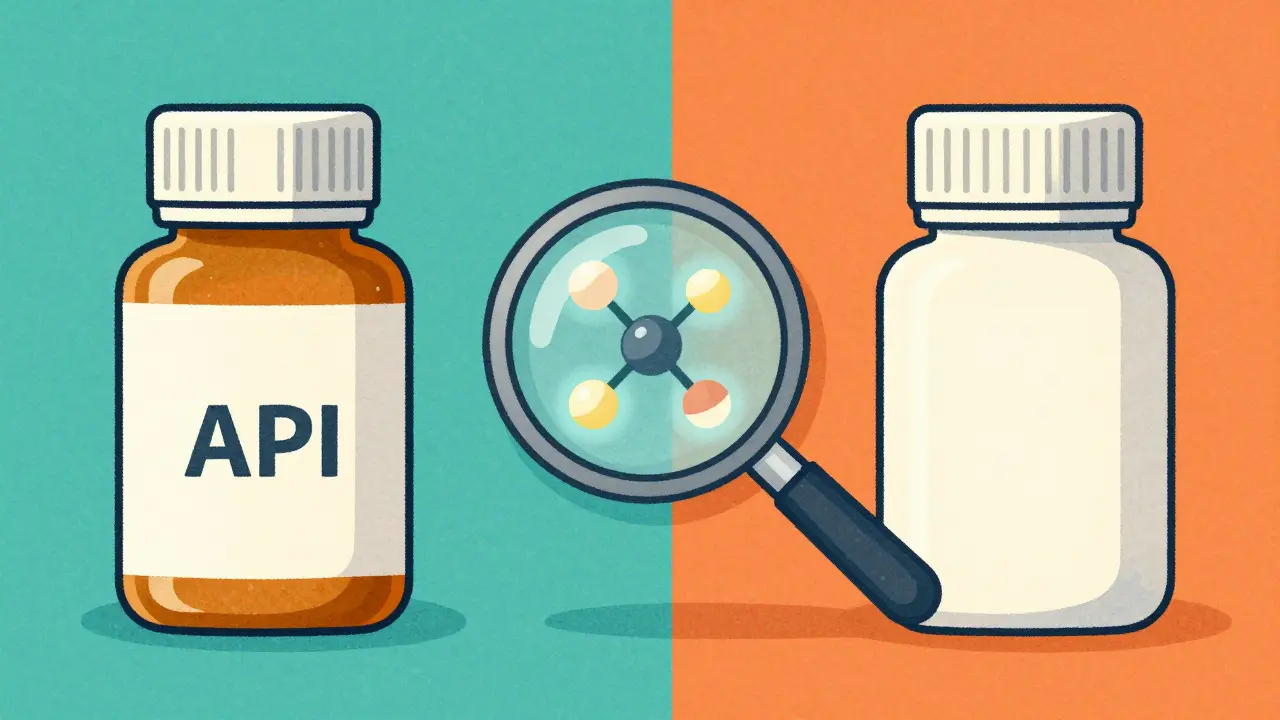
Drug Interactions: Are Generic and Brand-Name Medications Equally Safe?
Do generic drugs carry more interaction risks than brand-name versions? Discover why the active ingredients make the risk identical and where the real differences lie.
- Apr 1, 2026
- Posted by Cillian Osterfield
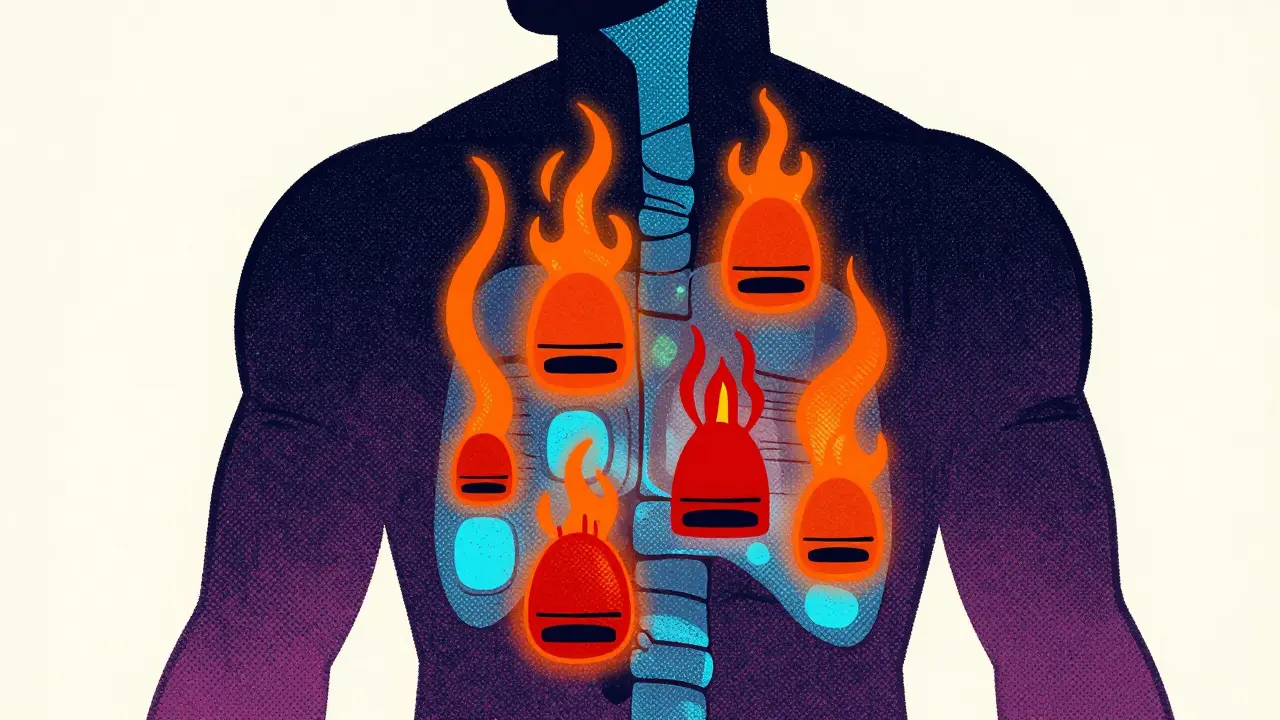
TNF Inhibitors Explained: Mechanisms, Benefits, and Risks for Autoimmune Treatment
Explore how TNF inhibitors work to treat autoimmune diseases like rheumatoid arthritis and psoriasis. Learn about the mechanisms, top FDA-approved drugs, safety screenings, and real-world patient experiences.
- Mar 25, 2026
- Posted by Cillian Osterfield
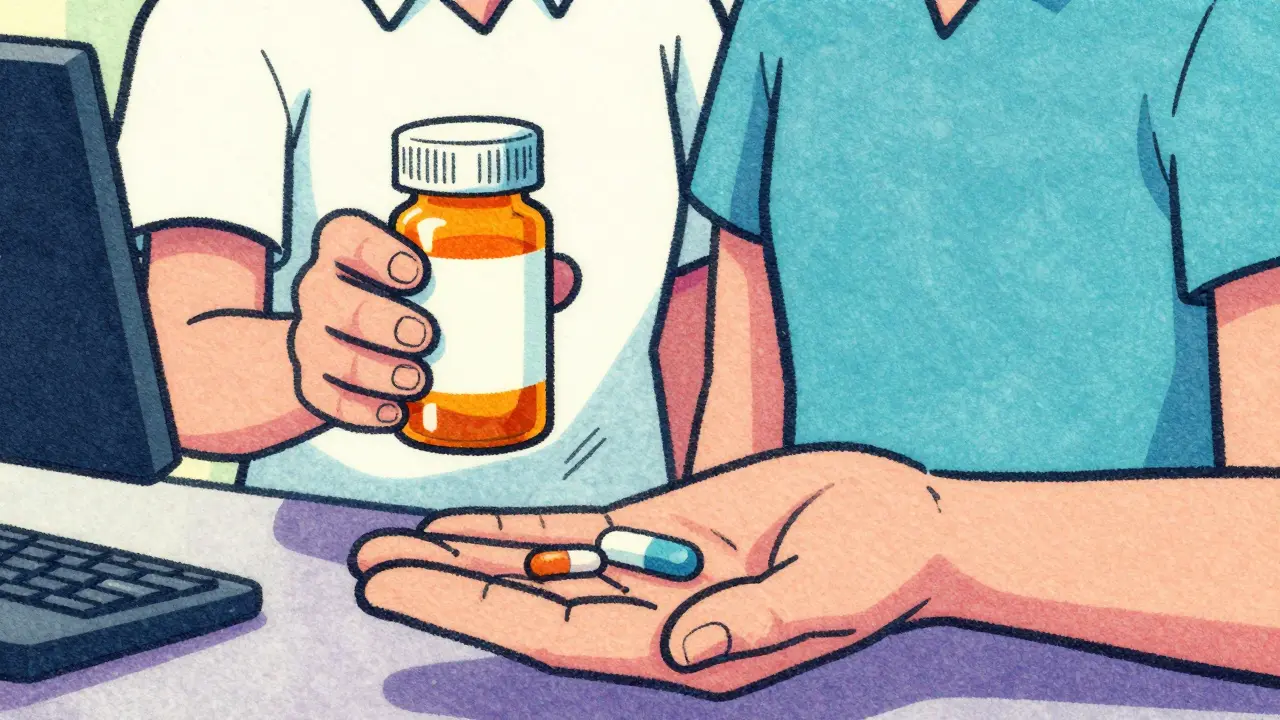
Bioequivalent medications: what the term really means
Bioequivalent medications ensure generic drugs perform like brand-name versions. Learn about FDA standards, testing methods, and when differences might matter for your health.
- Mar 22, 2026
- Posted by Cillian Osterfield
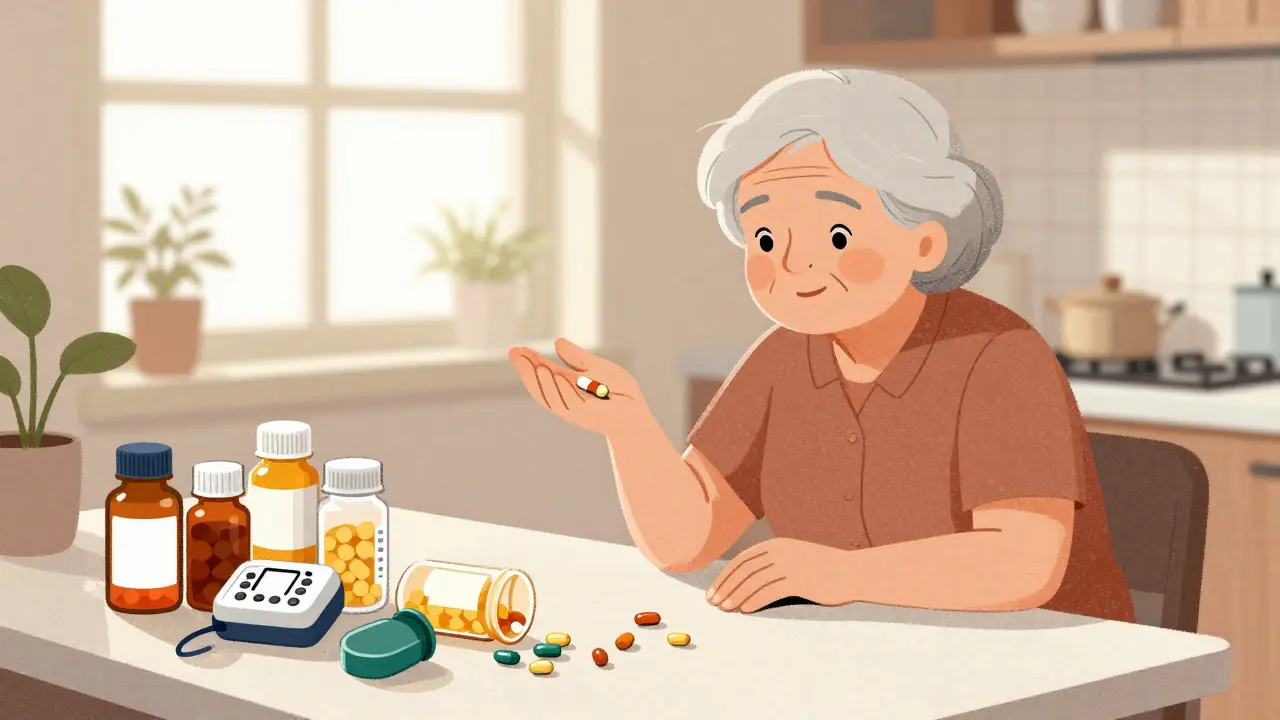
How to Reduce Pill Burden with Combination Medications for Seniors
Combination medications help seniors take fewer pills each day, improving adherence and lowering health risks. Proven to boost blood pressure control and cut costs, they’re a smart solution for managing multiple chronic conditions.
- Mar 18, 2026
- Posted by Cillian Osterfield
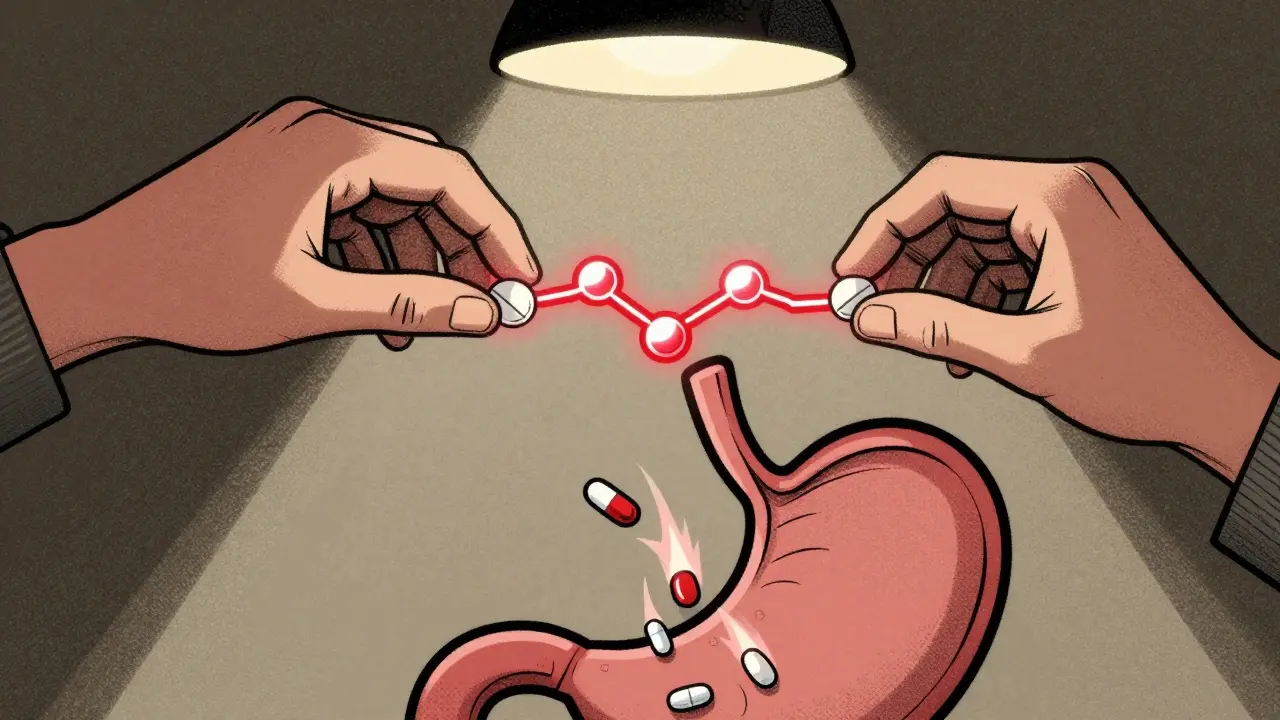
Antacids and Antibiotics: How to Time Your Doses to Avoid Treatment Failure
Taking antacids with antibiotics can cut their effectiveness by up to 90%. Learn how to time your doses to avoid treatment failure and protect your health.
- Mar 12, 2026
- Posted by Cillian Osterfield
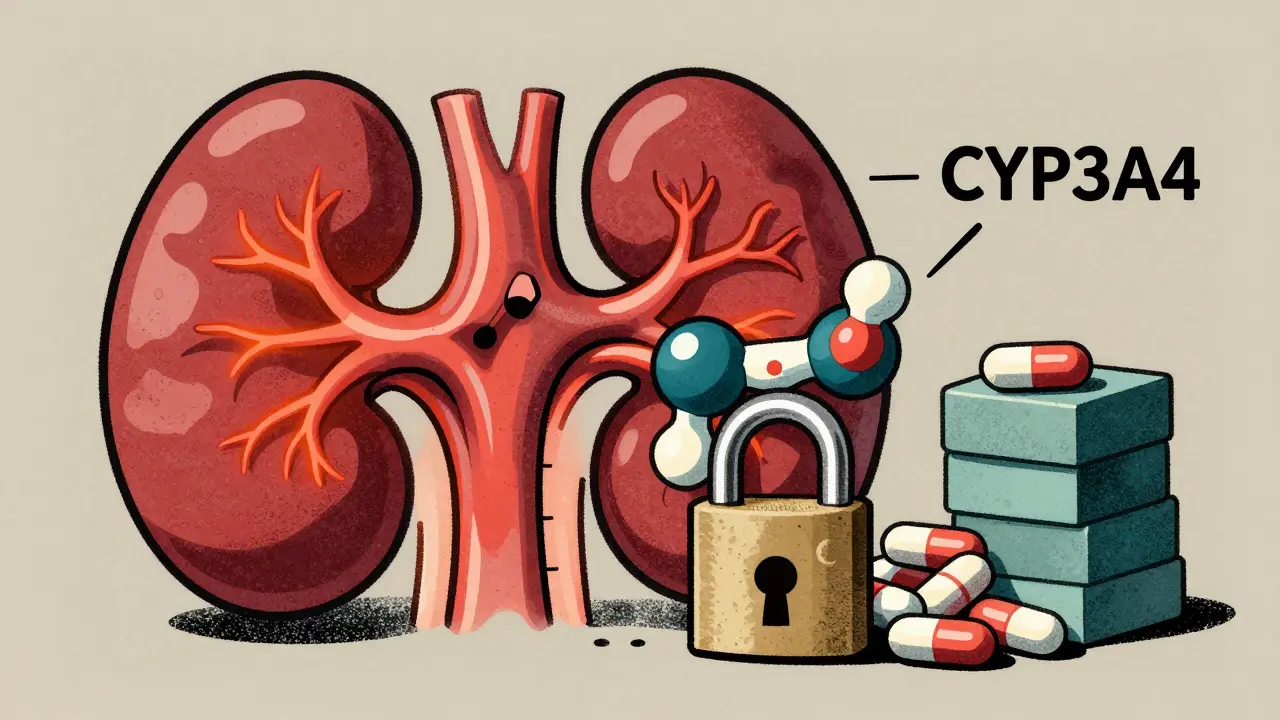
Azoles with Tacrolimus: How Drug Interactions Cause Level Spikes and Kidney Damage
Azoles like voriconazole and posaconazole can dangerously raise tacrolimus levels in transplant patients, leading to kidney damage. Learn how this common interaction works, which azoles are riskiest, and how to prevent acute kidney injury with proven protocols.

- Mar 11, 2026
- Posted by Cillian Osterfield
What Are Biosimilars? A Simple Guide for Patients
Biosimilars are highly similar versions of complex biologic drugs, approved by the FDA to work just like the original. They're not generics, but they're safe, effective, and often cheaper. Here's what patients need to know.
- Mar 1, 2026
- Posted by Cillian Osterfield
IVIVC and Waivers: How In Vitro Testing Replaces In Vivo Bioequivalence Studies
IVIVC lets regulators approve generic drugs without human trials by linking lab dissolution data to real-world absorption. Learn how Level A correlation saves millions and why most submissions fail.
- Feb 26, 2026
- Posted by Cillian Osterfield
Prior Authorization for Generics: When Insurance Requires Approval
Generics are supposed to be simple and affordable-but many now require insurance approval before you can get them. Here’s why it’s happening, how it affects you, and what you can do.
- Feb 22, 2026
- Posted by Cillian Osterfield
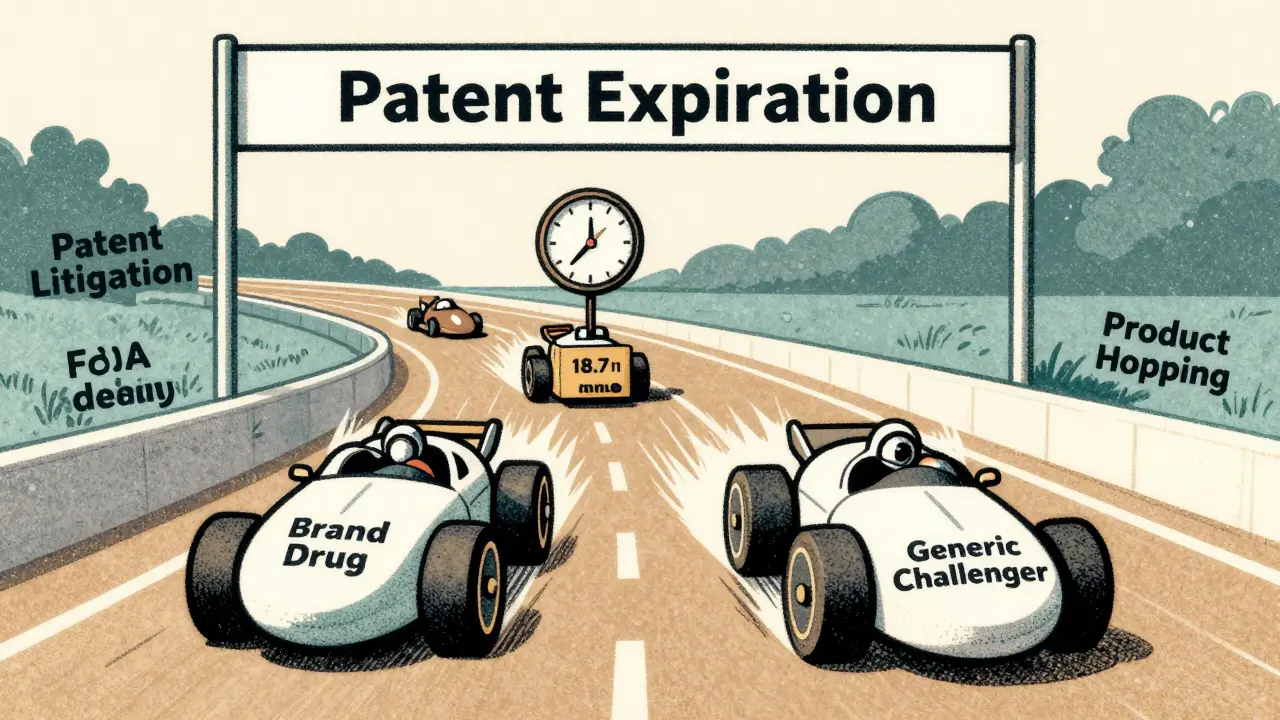
Predicting Generic Entry: Forecasting When Your Drug Gets Generics
Predicting when a drug becomes generic involves patent timelines, FDA approvals, litigation, and market strategy. Learn how generics enter the market, why delays happen, and what drives price drops after exclusivity ends.