
SGLT2 Inhibitor DKA Risk Assessment Tool
Why This Matters
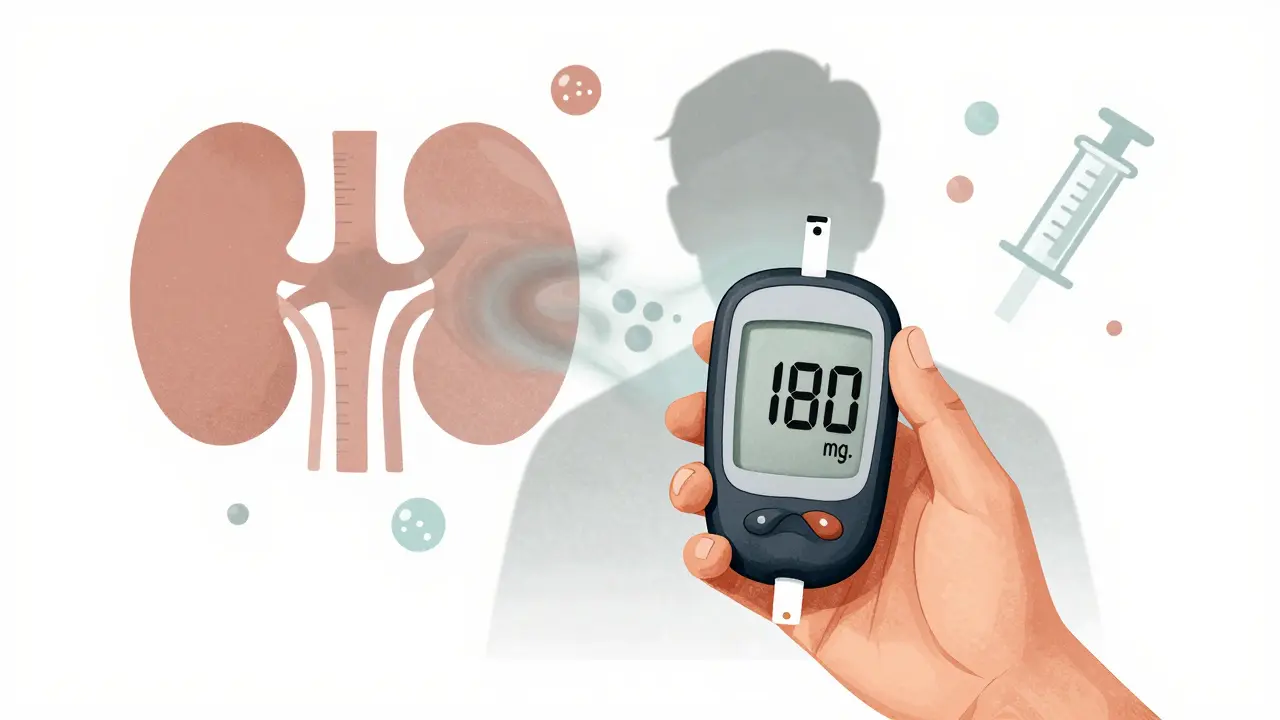
Euglycemic DKA (euDKA) is a hidden danger of SGLT2 inhibitors where ketone levels rise dangerously even when blood sugar is normal (often under 200 mg/dL). This can be missed because traditional DKA symptoms like high blood sugar are absent. Early identification is critical.
What to Do
When you hear about SGLT2 inhibitors, you might think of weight loss, lower blood pressure, or better kidney outcomes. These drugs-like empagliflozin, a sodium-glucose cotransporter-2 inhibitor used to treat type 2 diabetes by making the kidneys flush out excess sugar, dapagliflozin, and canagliflozin-have changed how doctors treat diabetes. But there’s a dangerous side effect hiding in plain sight: diabetic ketoacidosis, and not the kind you’d expect.
What’s So Different About This DKA?
Most people know diabetic ketoacidosis (DKA) as a crisis with blood sugar over 250 mg/dL, vomiting, confusion, and fruity-smelling breath. That’s classic DKA, usually seen in type 1 diabetes when insulin is missing. But with SGLT2 inhibitors, something stranger happens. Patients develop DKA even when their blood sugar is barely above normal-sometimes under 200 mg/dL. This is called euglycemic DKA, or euDKA.Why does this matter? Because if your doctor checks your blood sugar and sees 180 mg/dL, they might not suspect DKA. You could be in serious danger and not know it. The European Medicines Agency confirmed this in 2023: many life-threatening cases happened because doctors didn’t recognize the warning signs. A 2023 FDA analysis found that nearly half of all DKA cases linked to SGLT2 inhibitors had blood sugar below 250 mg/dL. That’s not rare. That’s the norm.
How Do These Drugs Trigger Ketoacidosis?
SGLT2 inhibitors work by blocking sugar reabsorption in the kidneys. That sounds good-more sugar leaves in urine, lower blood glucose. But here’s the catch: they also reduce insulin demand. Your pancreas doesn’t have to work as hard. That’s fine for most people. But in some, it tips the balance.When insulin drops-even slightly-and your body is under stress (like an infection, surgery, or not eating enough), your fat cells start breaking down. This releases fatty acids, which your liver turns into ketones. Normally, insulin keeps this in check. But with SGLT2 inhibitors, insulin levels are already low, and the body keeps making ketones. No sugar spike? No problem. Ketones still build up. That’s euDKA.
Studies show the risk is real. One study of over 350,000 people found that SGLT2 inhibitors tripled the chance of DKA compared to other diabetes drugs like DPP-4 inhibitors. The DAPA-KETO trial showed dapagliflozin users had more ketoacidosis events than those on insulin or other medications. Even the EMPA-REG OUTCOME trial, which proved these drugs save hearts and kidneys, had to report DKA as a side effect.
Who’s Most at Risk?
Not everyone on an SGLT2 inhibitor gets euDKA. But certain people are far more vulnerable:- Type 2 diabetes with low insulin production-If your pancreas is already worn out, even a small drop in insulin can trigger ketones. One study found that 2.4% of users with C-peptide under 1.0 ng/mL developed DKA, compared to 0.6% in those with higher levels.
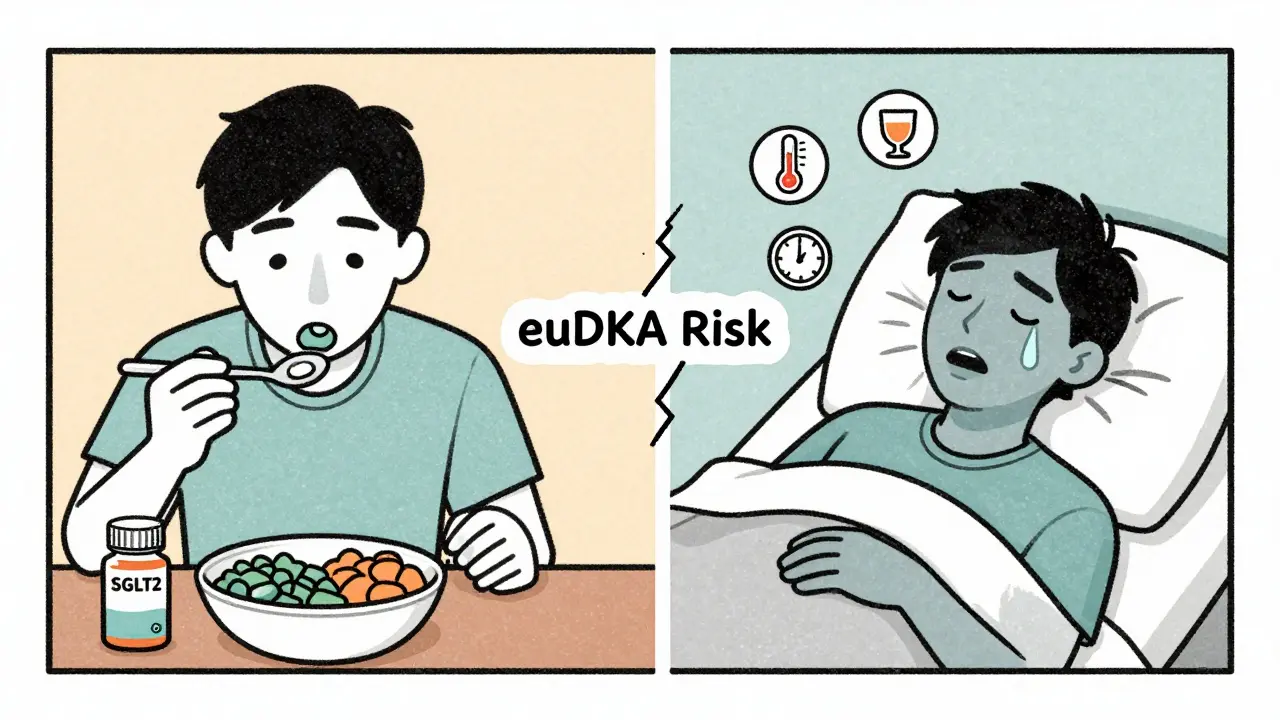
- People cutting carbs or fasting-Going on a keto diet? Skipping meals? These drugs work better when you eat less sugar. But that’s exactly when your body starts burning fat. Dangerous combo.
- Those with infections or illness-A cold, flu, or UTI can spike stress hormones. That pushes your body into fat-burning mode. If you’re on an SGLT2 inhibitor, your body can’t respond with enough insulin to stop ketone production.
- People reducing insulin-If you’re on insulin and your doctor cuts your dose because your sugars are “under control,” you might be setting yourself up for euDKA.
- Those with alcohol use-Alcohol lowers blood sugar and increases ketone production. Add an SGLT2 inhibitor? Risk jumps.
The average time to euDKA after starting the drug? Around 28 weeks. Most cases happen within the first year. That means if you’ve been on it for six months and feel off, don’t ignore it.
What Are the Symptoms? (And Why You’ll Miss Them)
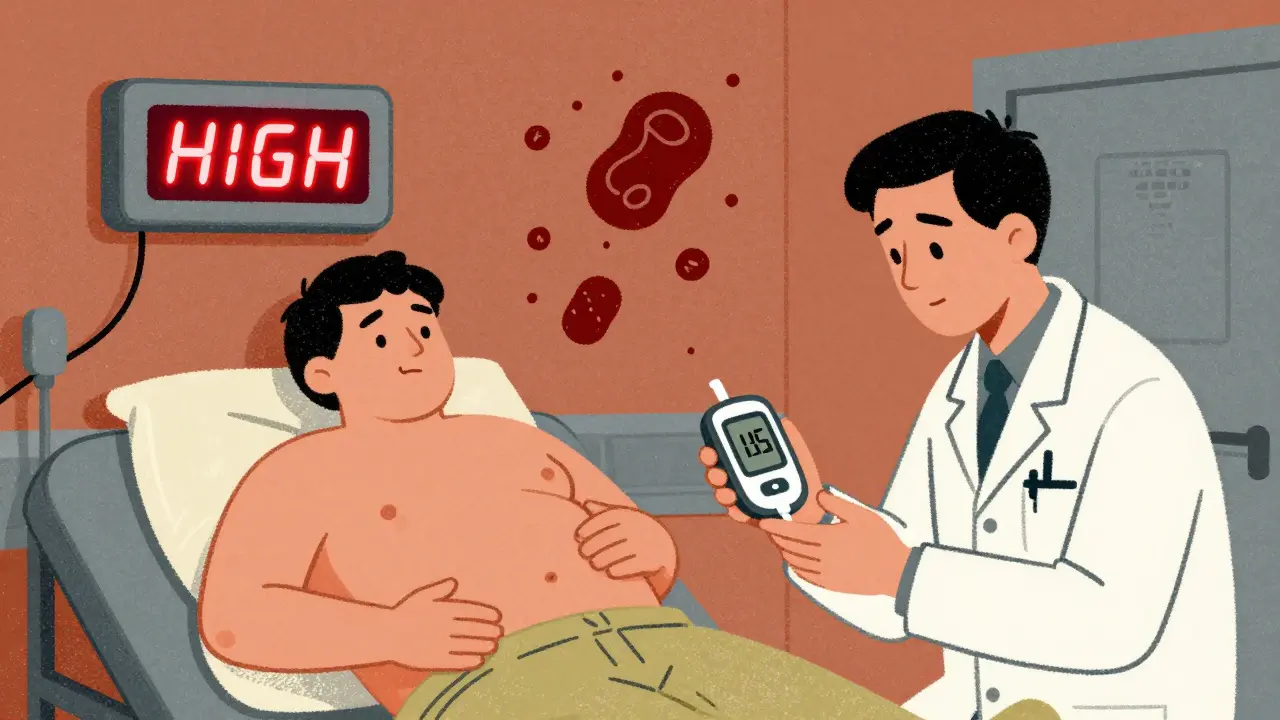
You might think, “If my sugar’s normal, I’m fine.” That’s the trap.euDKA symptoms look like a bad flu:
- Nausea and vomiting
- Abdominal pain (often mistaken for food poisoning)
- Deep, fast breathing
- Extreme fatigue or confusion
- Unexplained weight loss
No fruity breath? No high sugar? That doesn’t mean it’s not DKA. In fact, the American Diabetes Association says euDKA makes up 30-40% of all DKA cases in SGLT2 inhibitor users. Doctors who only check glucose will miss it. You need to check ketones.
What Should You Do? (Practical Steps)
If you’re taking an SGLT2 inhibitor, here’s what you need to know:- Know the symptoms. Nausea, vomiting, fatigue? Don’t brush it off. Call your doctor.
- Test for ketones when you’re sick. Use urine strips or a blood ketone meter. If ketones are moderate or high-even if your sugar is 150 mg/dL-go to the ER.
- Stop the drug before surgery. The American Association of Clinical Endocrinologists says stop at least 3 days before any procedure that requires fasting.
- Don’t skip meals or go on extreme diets. Low-carb diets increase ketone production. If you’re on an SGLT2 inhibitor, talk to your doctor before changing your diet.
- Don’t reduce insulin without supervision. If you’re on insulin and your doctor wants to lower it, ask about ketone risk.
- Limit alcohol. Especially binge drinking. It’s a known trigger.
One 2022 study in Diabetes Care found that teaching patients how to check ketones cut DKA cases by 67%. Knowledge saves lives.
Are These Drugs Still Safe?
Yes-but only if you use them right. The EMPA-REG OUTCOME trial showed empagliflozin reduced heart failure hospitalizations and kidney failure. The DECLARE-TIMI 58 trial confirmed similar benefits for dapagliflozin. These drugs aren’t just pills-they’re life-extenders.But the risk of euDKA is real. The FDA and EMA agree: the benefits outweigh the risks for most people with type 2 diabetes… if they’re monitored. The absolute risk? About 0.1 to 0.5 cases per 100 patients per year. That’s low. But when it happens, it can be fatal. The death rate for euDKA is 4.3%, higher than traditional DKA.
That’s why guidelines now say: avoid SGLT2 inhibitors in people with type 1 diabetes (unless closely monitored), those with a past DKA episode, or those with very low insulin production.
What’s Next?
Researchers are working on solutions. One new drug, licogliflozin, blocks both SGLT1 and SGLT2. Early data suggests it may cause fewer ketones because it slows sugar absorption in the gut, reducing the insulin drop. Phase 3 trials are ongoing.The FDA now requires all new SGLT2 inhibitor trials to include specific monitoring for euDKA. Machine learning models are being built to predict who’s at highest risk-using 15 factors like age, C-peptide, kidney function, and diet. One model in Lancet Digital Health predicted risk with 87% accuracy.
The message is clear: SGLT2 inhibitors are powerful tools. But they’re not risk-free. You need to know the signs. You need to test ketones. You need to speak up if you feel off.
Can SGLT2 inhibitors cause DKA even if my blood sugar is normal?
Yes. This is called euglycemic DKA (euDKA), and it’s a well-documented risk. Blood sugar can be under 200 mg/dL, even as low as 120 mg/dL, while ketones build up to dangerous levels. Many cases are missed because doctors and patients assume normal sugar means no problem.
How do I check for ketones?
You can use urine ketone strips (available at pharmacies) or a blood ketone meter (like the Precision Xtra or Nova Max). Blood testing is more accurate. Test when you’re sick, before surgery, or if you feel nauseous, fatigued, or have abdominal pain-even if your blood sugar is normal.
Should I stop taking my SGLT2 inhibitor if I get sick?
Yes. If you have an infection, fever, vomiting, or are unable to eat, stop the drug and contact your doctor. The American Association of Clinical Endocrinologists recommends stopping SGLT2 inhibitors during acute illness. Restart only after you’re back to normal and under medical guidance.
Are SGLT2 inhibitors safe for people with type 1 diabetes?
Generally, no. They are not approved for type 1 diabetes in most countries. However, some doctors use them off-label in carefully selected patients with type 1 who have high insulin resistance. In those cases, close monitoring of ketones and insulin doses is essential. The risk of DKA is much higher in this group.
What should I do if I’m on an SGLT2 inhibitor and I’m planning surgery?
Stop taking your SGLT2 inhibitor at least 3 days before surgery. Fasting and stress can trigger euDKA. Talk to your endocrinologist or surgeon about when to restart it-usually after you’re eating normally again and no longer under stress.


12 comments
Simon Critchley
Let’s cut through the pharmaceutical fog here - SGLT2 inhibitors are basically a Trojan horse disguised as a miracle drug. The FDA and EMA? They’re not protecting you; they’re protecting the bottom line. ‘Benefits outweigh risks’? Sure, if you’re a shareholder. But when your body starts burning its own fat like a furnace with no off-switch, and the docs are still checking glucose like it’s 1995… that’s not negligence. That’s systemic malpractice. I’ve seen three patients in my clinic alone go into euDKA after being told, ‘Your numbers look great.’ No fruity breath? No high sugar? Cool. You’re just gonna die quietly in your sleep. 😈
Patrick Jarillon
Oh, so now we’re blaming the drug because people are too dumb to read the manual? Classic. You people act like this is the first time a medication had a hidden risk. Insulin was once considered poison. Aspirin nearly killed half of Europe before they figured out dosing. This isn’t a conspiracy - it’s biology. The body doesn’t care about your HbA1c targets. It cares about energy balance. If you’re fasting, sick, or on keto while on an SGLT2i, you’re playing Russian roulette with your pancreas. And yet somehow, the same folks who scream about Big Pharma are the ones demanding these pills like they’re candy. 🤡
Andrew Jackson
It is both a moral and patriotic failure that American patients are being exposed to such insidious pharmacological deception under the guise of ‘innovation.’ The European Medicines Agency, in its wisdom, has issued clear warnings - yet here in the United States, we continue to prioritize corporate profit over patient safety. This is not medicine. This is exploitation. We have allowed the pharmaceutical-industrial complex to redefine ‘risk’ as a statistical abstraction rather than a human tragedy. When a man dies of euDKA because his doctor didn’t check ketones - because the EMR didn’t pop up a warning - we are not just failing him. We are failing the very concept of medical ethics. This is why America is losing its soul.
Kathryn Lenn
So let me get this straight - you’re telling me that a drug that’s supposed to make me healthier is secretly turning my body into a ketone factory… and the only way to catch it is to buy $20 of urine strips and test myself every time I feel like I have the flu? 😑 Meanwhile, my insurance won’t cover the strips because ‘it’s not standard of care.’ Oh, and my doctor’s office doesn’t even have ketone meters? Great. So I’m supposed to die quietly while the pharma reps hand out free samples and ‘educational’ mugs? Thanks, capitalism.
Chima Ifeanyi
From a systems pharmacology standpoint, the euDKA phenomenon is a textbook case of homeostatic disruption via metabolic decoupling. SGLT2 inhibition induces a pseudo-fasted state by reducing renal glucose reabsorption - which in turn lowers insulin secretion via the beta-cell glucose-sensing axis. Concurrently, glucagon remains elevated due to lack of paracrine suppression, driving hepatic gluconeogenesis and lipolysis. The result? A ketogenic cascade unopposed by insulin, even in the presence of normoglycemia. The real issue isn’t the drug - it’s the reductionist clinical paradigm that equates glycemic control with metabolic safety. We’re managing biomarkers, not physiology. And until we fix that, euDKA will remain a silent epidemic.
Ritteka Goyal
OMG I just read this and i was like oh no no no i been on canagliflozin for 8 months and last week i was so tired and my stomach hurt and i thought i had food poisoning 😭 i didnt even think about ketones!! i just went to the doc and they said my sugar was 170 so i was fine!! but now im scared!! i just bought ketone strips from walmart and i tested and they were high!! i think i almost died?? thanks for this post i love you!! ❤️
Frank Baumann
I’ve been on empagliflozin for a year. No issues. Then last month I got a bad sinus infection. Didn’t feel like eating. Took my meds like normal. Woke up at 3 a.m. vomiting, drenched in sweat, breathing like I’d run a marathon. Thought I was dying. Took a ketone test - 3.8 mmol/L. Blood sugar? 182. ER said I was one hour away from intubation. They didn’t even know what euDKA was until I told them. Now I carry ketone strips in my wallet. I keep a note on my phone: ‘If you’re sick, stop the pill. Test. Go to ER.’ I’m alive because I read this. Don’t be like me. Be smarter.
Alex Ogle
Look. I get it. These drugs are great. I lost 22 pounds. My BP is normal. My kidneys are better. But I also had euDKA. Didn’t know it until I was in the hospital. And honestly? The scariest part wasn’t the ketones. It was how normal everything looked. My doctor said, ‘You’re doing great.’ I believed him. That’s the real danger. It’s not the drug. It’s the illusion of safety. We’ve been trained to trust numbers. But the body doesn’t lie. It just whispers. And most of us aren’t listening.
Marie Fontaine
Just tested my ketones after a cold - 1.2 mmol/L. Sugar was 165. I called my endo. She said ‘good job’ and told me to keep testing. I feel so empowered. 🙌 This post saved me. If you’re on an SGLT2i and you’re not checking ketones, you’re playing with fire. Seriously. Get the strips. They’re cheap. Your life is worth it. 💪
Ken Cooper
hey so i just got on dapagliflozin last month and i was like ‘this is amazing’ then i read this and now i’m paranoid 😅 but i did what marie said and got ketone strips and i tested last night after i skipped dinner (oops) and i was at 0.9 - still low but i’m now scared to fast. also i stopped drinking wine. no more weekend buzz for me. thanks for the heads up. i think i’m gonna start keeping a journal. who knew diabetes was so complicated??
Ryan Vargas
There is a deeper truth here - one that transcends medicine. The entire framework of modern healthcare is built upon the illusion of control. We measure glucose, cholesterol, HbA1c - as if these are the true indicators of health. But health is not a number. Health is balance. Health is harmony. SGLT2 inhibitors are not the problem. They are the symptom. The real disease is our addiction to reductionism. We treat diabetes as a sugar problem - not as a metabolic rupture. We do not heal. We manage. We mask. We postpone. And in doing so, we create new catastrophes - euDKA, renal failure, amputations - all while patting ourselves on the back for ‘progress.’ We have forgotten that the body is not a machine to be calibrated. It is a living, breathing, sacred organism. And we are treating it like a smartphone - update the software, ignore the warning signs, and hope for the best. Until one day, it just… shuts down.
Monica Warnick
I’m just here to say I’m glad I’m not the only one who Googled ‘is my nausea from the pill or am I dying’ at 2 a.m. and found this thread. I’m scared. But also… kinda proud? Like, I didn’t ignore it. I looked. I asked. I tested. I’m not fixed. But I’m alive. And I’m not alone. 💙