
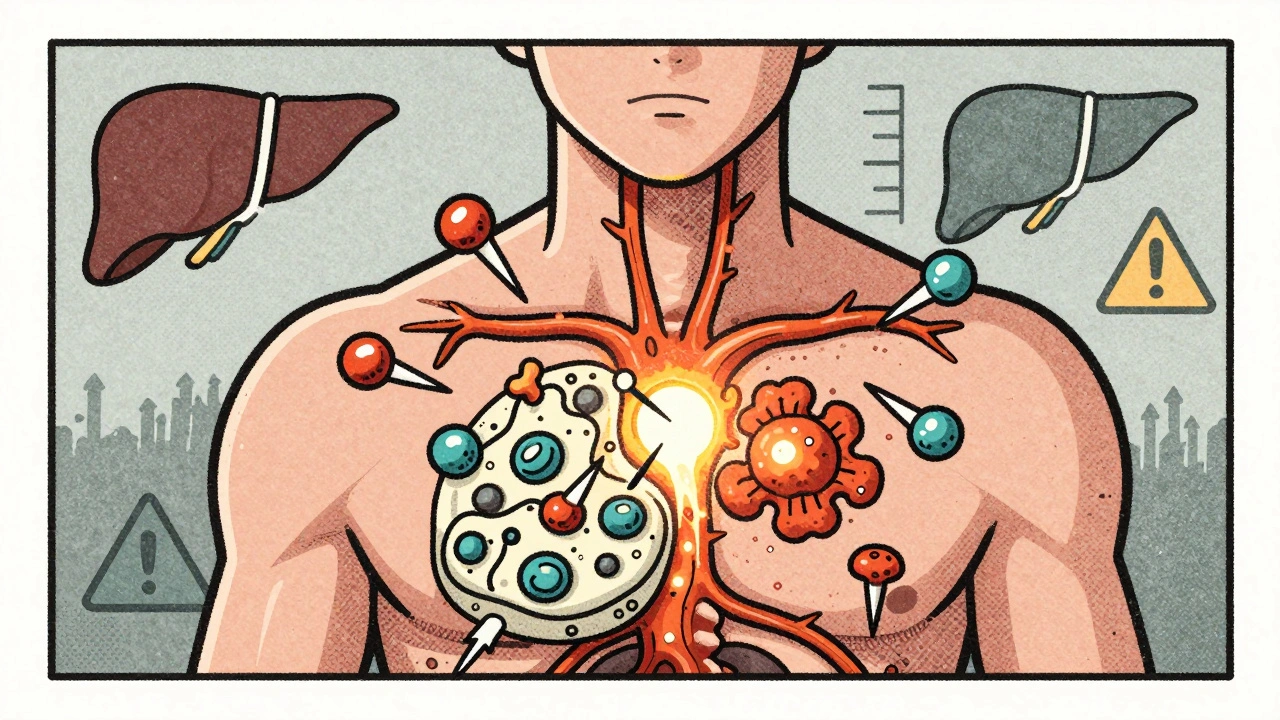
When a fungal infection turns serious-like candidiasis in the bloodstream or aspergillosis in the lungs-it’s not something you can treat with cream or spray. These are life-threatening conditions that demand powerful drugs: azoles and echinocandins. But choosing between them isn’t just about which one kills the fungus faster. It’s about liver health, drug interactions, cost, and how the patient is feeling right now.
How Azoles Work and When They’re Used
Azoles-like fluconazole, voriconazole, and posaconazole-attack fungi by breaking down their cell membranes. They block an enzyme called lanosterol 14-alpha-demethylase, which fungi need to make ergosterol. Without ergosterol, the cell membrane falls apart. It’s like poking holes in a balloon until it bursts.
Fluconazole is the workhorse. It’s cheap, taken by mouth, and works well for common yeast infections. About 90% of it gets absorbed from the gut, and it spreads into fluids like urine and cerebrospinal fluid. That’s why it’s often the first choice for candidemia in stable patients. But here’s the catch: it doesn’t work well against molds like Aspergillus. That’s where voriconazole comes in. It’s the gold standard for invasive aspergillosis, with a 52.8% response rate at 12 weeks-better than older drugs like amphotericin B.
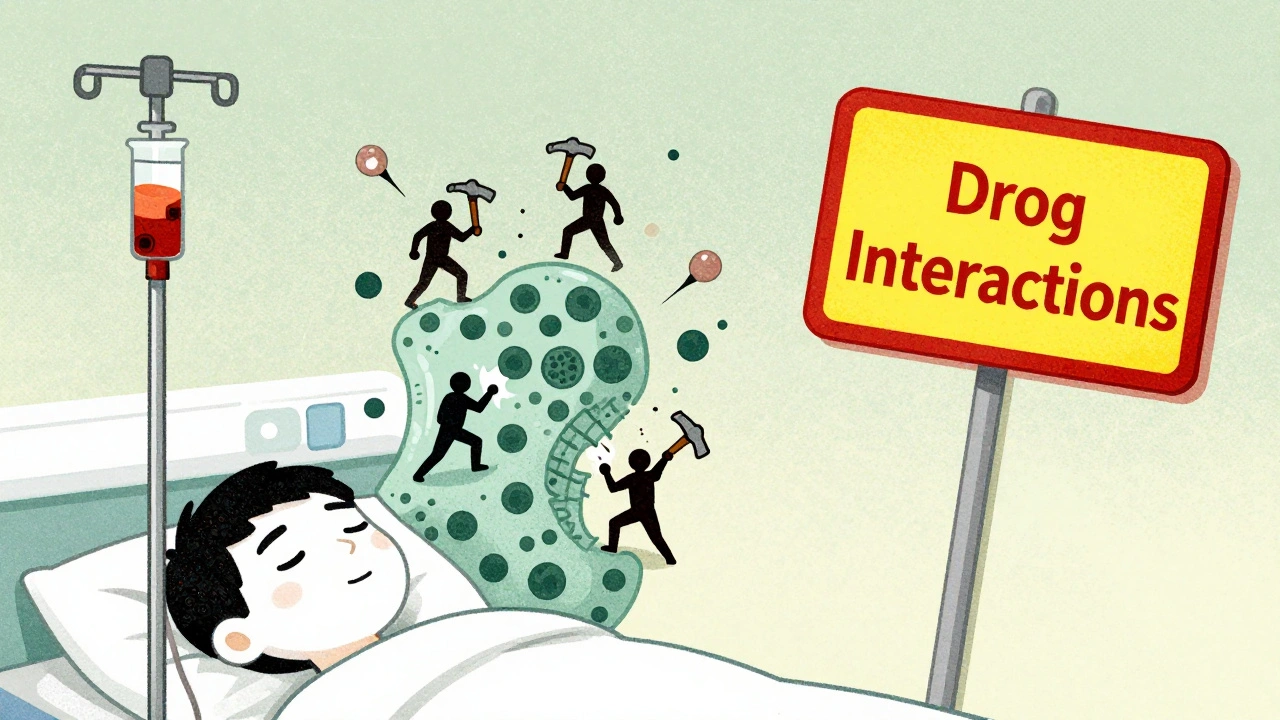
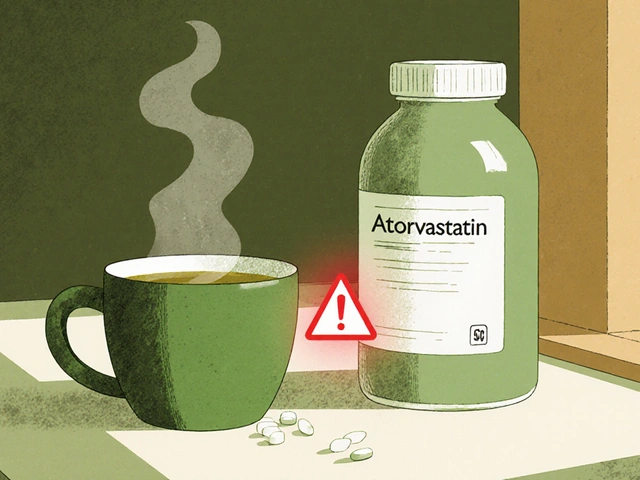
But azoles aren’t clean drugs. They’re metabolized by the liver and interfere with other drugs processed by the same enzymes-CYP3A4 and CYP2C9. That means if you’re on warfarin, statins, or even some seizure meds like phenytoin, azoles can make those drugs build up to dangerous levels. A 2022 study found nearly 600 severe drug interactions tied to azoles. One clinician on Reddit described three cases where voriconazole doubled phenytoin levels in just 48 hours, forcing emergency dose cuts.
Echinocandins: The IV-Only Powerhouses
Echinocandins-caspofungin, micafungin, anidulafungin-work differently. Instead of attacking the membrane, they smash the fungal cell wall. They block beta-(1,3)-D-glucan synthase, a protein that builds the structural scaffold of the fungus. No cell wall? The fungus literally falls apart.
But here’s the trade-off: echinocandins can’t be taken orally. They must be given through an IV. That makes them harder to use outside the hospital. Still, in critically ill patients-those with septic shock or acute kidney injury-they’re often the first choice. Why? Because they’re gentler on the kidneys. Azoles can cause kidney damage in up to 8.4% of cases; echinocandins? Just 1.2%.
For invasive candidiasis in ICU patients, IDSA guidelines strongly recommend echinocandins over azoles. A 2021 meta-analysis showed fluconazole cured 82% of candidemia cases, but echinocandins were safer. Fewer patients needed dialysis. Fewer had liver spikes. And even though they cost about $1,250 for a week’s course-compared to fluconazole’s $150-they save money long-term by reducing complications.
Safety Risks: What No One Tells You
Most people think antifungals are safe because they’re not antibiotics. That’s wrong.
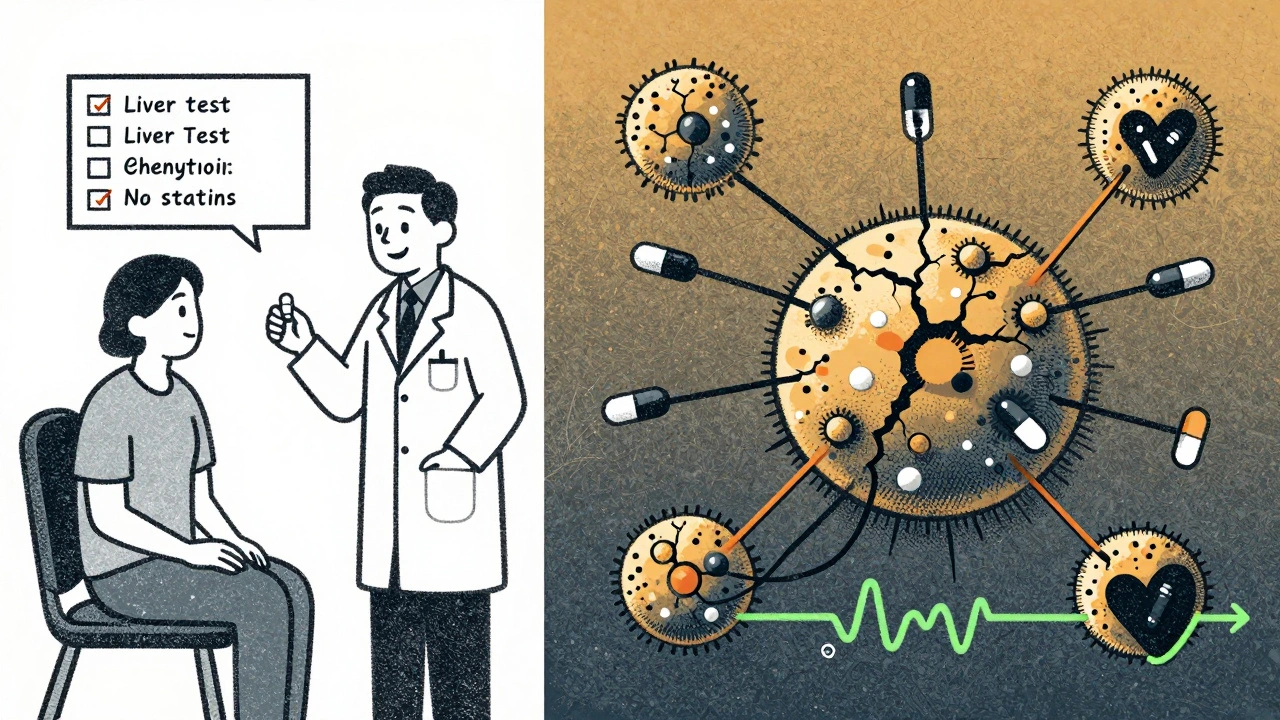
Azoles are notorious for liver damage. The FDA requires quarterly liver tests for anyone on long-term azole therapy. If ALT or AST levels jump more than five times the normal range, you stop the drug. Between 2018 and 2022, over 1,800 adverse events linked to azole-induced liver injury were reported to the FDA. Ketoconazole was pulled from the U.S. market in 2013 because it caused liver failure at 228 times the risk of non-users.
Then there’s QT prolongation-a heart rhythm problem that can lead to sudden death. Posaconazole has been linked to 37 cases where the QT interval stretched past 500 milliseconds, especially when combined with macrolide antibiotics like azithromycin. Baseline ECGs are now required before starting certain azoles in high-risk patients.
Even common side effects matter. Over two-thirds of patients on azoles report nausea, stomach pain, or headaches. Voriconazole causes temporary visual disturbances in 38% of users-blurred vision, color changes, light sensitivity. It’s not dangerous, but it’s unsettling. One patient described it as "seeing everything through a green filter for hours." That’s not something you want to deal with while driving or operating machinery.
Echinocandins are quieter. Their main issue? Infusion reactions. Redness, itching, or fever during the drip. Nurses report these happen in about 10% of cases, usually mild and manageable with slower infusions or antihistamines. But because they’re IV-only, they’re harder to give at home. That’s why they’re mostly used in hospitals, not clinics.
Who Gets Which Drug? Real-World Decisions
There’s no one-size-fits-all. The choice depends on the patient’s condition, location, and other meds.
- Stable outpatient with thrush or vaginal yeast? Fluconazole. Cheap. Simple. Effective.
- ICU patient with candidemia and low blood pressure? Echinocandin. Lower kidney risk. Less drug interaction chaos.
- Immunocompromised with lung shadows and fever? Voriconazole. Best for aspergillosis. But monitor liver and vision.
- Pregnant woman with fungal infection? Avoid azoles-they’re Pregnancy Category D, meaning proven fetal harm. Echinocandins are Category C, so use only if benefit outweighs risk.
- On blood thinners or epilepsy meds? Think twice before azoles. Check interactions. Consider echinocandins if possible.
And don’t forget resistance. Aspergillus fumigatus is becoming resistant to azoles, especially in areas where triazole fungicides are used in farming. In 2012, resistance was under 2%. By 2022, it hit 8.4%. That means drugs that worked five years ago might not work now.
What’s Coming Next?
The antifungal pipeline is waking up. Rezafungin, a new echinocandin approved in March 2023, can be given once a week instead of daily. That’s a game-changer for long-term care. Olorofim, a brand-new class called orotomide, just got breakthrough status from the FDA for azole-resistant aspergillosis. In trials, it worked in 56% of cases where azoles failed.
Big pharma is investing. AstraZeneca paid $3.2 billion for Fusion Pharmaceuticals to develop next-gen antifungals. The goal? Better oral versions of echinocandins, fewer interactions, and drugs that bypass resistance.
But access remains a problem. Only 15% of low-income countries can reliably get second-line antifungals. That means in places where fungal infections are rising fastest, the best drugs are often out of reach.
Monitoring and Practical Tips
If you’re on an azole:
- Get liver tests before starting, then every 2-4 weeks.
- Tell your doctor every other drug you take-even over-the-counter ones.
- Report vision changes, rash, or unusual fatigue immediately.
- Don’t stop taking it just because you feel better. Fungi come back harder.
If you’re on an echinocandin:
- Expect IV access-port or PICC line may be needed for longer courses.
- Watch for infusion reactions. Ask for antihistamines if you feel flushed or itchy.
- Cost is high, but ask about patient assistance programs. Some manufacturers offer discounts.
Topical antifungals-like clotrimazole or terbinafine cream-are safe for skin and nail infections. But never mix them with steroid creams unless your doctor says so. Products like clotrimazole-betamethasone can hide fungal growth while making it worse underneath.
Are azoles safe for long-term use?
Azoles can be used long-term for chronic infections like aspergillosis or recurrent candidiasis, but only with strict monitoring. Liver function must be checked every 4-6 weeks. Drug interactions increase over time, so avoid combining them with statins, certain antidepressants, or immunosuppressants. If liver enzymes rise above 5x normal, stop the drug immediately.
Can I take echinocandins at home?
Echinocandins are not approved for home use in most countries because they require IV administration. However, some specialized home infusion services may offer them under strict nursing supervision. Rezafungin, with its once-weekly dosing, may make home therapy more feasible in the future.
Why is voriconazole preferred for aspergillosis?
Voriconazole penetrates lung tissue better than other azoles and has the highest response rate for invasive aspergillosis-52.8% at 12 weeks compared to 40.7% for amphotericin B. It’s also less toxic than older drugs. However, its side effects-like visual disturbances and liver stress-require careful management.
Do echinocandins work against all types of fungi?
No. Echinocandins are effective against Candida and some molds like Aspergillus, but they don’t work against Cryptococcus, Fusarium, or Mucorales (zygomycetes). That’s why diagnosis matters. If you have a rare fungal infection, your doctor will need to identify the species before choosing a drug.
What should I do if I miss a dose of an antifungal?
For oral azoles like fluconazole, take the missed dose as soon as you remember-if it’s within 12 hours. If it’s later, skip it and go back to your regular schedule. Don’t double up. For IV echinocandins, contact your infusion center immediately. Missing a dose can reduce effectiveness and increase resistance risk. Never delay an IV dose without medical advice.
Are there natural alternatives to these drugs?
There are no proven natural alternatives for systemic fungal infections. Garlic, tea tree oil, or coconut oil may help with mild skin yeast, but they won’t treat bloodstream or lung infections. Delaying proper antifungal treatment can lead to organ failure or death. Always rely on evidence-based medicine for serious infections.
Final Thoughts
Azoles and echinocandins are lifesavers-but they’re not simple drugs. They demand respect. The right choice depends on your infection, your liver, your other meds, and your life situation. A 70-year-old in the ICU needs a different drug than a 30-year-old with a recurring yeast infection. Don’t assume one is better than the other. The best drug is the one that works for you, safely.
As resistance grows and new drugs arrive, staying informed matters. If you’re on antifungals, ask questions. Know your numbers. Track your side effects. And never ignore a rash, a change in vision, or a strange fatigue. Fungal infections are quiet killers-but with the right treatment, they’re beatable.


14 comments
Bruno Janssen
Been on voriconazole for 11 months now. The green filter thing? Yeah, it’s real. I thought I was going crazy until I read this. Now I just keep sunglasses in my car and don’t drive after midnight. Also, my liver enzymes spiked last month. They lowered my dose. Still alive. Still seeing green.
Worth it? Maybe. But I wish someone had warned me about the vision thing before I started.
Emma Sbarge
Let’s be real-this whole antifungal industry is a cash grab. Azoles are toxic, echinocandins cost a fortune, and nobody talks about how pharma pushed these drugs while burying cheaper, safer options. You think this is science? It’s profit. The FDA approves drugs based on lobbying, not logic. And now we’re stuck paying $1,200 a week for an IV that doesn’t even cure everything.
Meanwhile, in India, they’re using garlic and turmeric and still living longer than we are.
Tommy Watson
bro why is everyone so into this? i just had a yeast infection and took fluconazole and it was gone. why are you all overcomplicating it? it’s not rocket science. you got a rash? cream. you got a bad yeast? pill. done.
stop acting like you’re in a medical journal. i’m not impressed.
Michael Gardner
So let me get this straight-echinocandins are ‘safer’ because they don’t wreck your liver… but they cost 8x more and require an IV? And you’re telling me that’s the gold standard? That’s not medicine, that’s privilege.
What about the people who can’t afford a PICC line? Or the ones who live 2 hours from a hospital? You call this progress? It’s just a fancy way of saying ‘if you’re poor, you die slower.’
Willie Onst
Hey, I just want to say-this post was actually really helpful. I’ve been scared to ask my doctor about my fluconazole because I’m on statins too, and I didn’t know how dangerous it could be.
Now I’m going to schedule a med review. Thank you for not sugarcoating it. It’s scary stuff, but knowing the risks means I can be smarter about it. We need more posts like this-real, raw, and full of facts, not hype.
Also, if anyone’s struggling with the visual side effects of voriconazole-you’re not alone. I see halos around lights now. It’s weird, but I’ve learned to live with it. Just don’t drive at night. Trust me.
Jennifer Taylor
EVERYONE IS LYING. The FDA knows azoles cause liver failure but they’re still on the market because Big Pharma owns them. And the visual disturbances? That’s not a side effect-that’s a warning sign. They’re testing these drugs on people like guinea pigs. And don’t get me started on rezafungin. Once a week? That’s not a breakthrough-it’s a trap. They want you hooked. They want you dependent.
They’re not curing you. They’re creating lifelong patients. And the worst part? They’re selling this as ‘progress.’
Wake up. This is all controlled.
Shelby Ume
As a nurse who’s administered echinocandins for 12 years, I can tell you: infusion reactions are real, but they’re manageable. We slow the drip, give Benadryl, and patients usually feel better in 10 minutes. The real issue? Nurses are understaffed, so sometimes we rush it-and that’s when things go wrong.
Also, yes, they’re expensive. But if you’re in the ICU with septic shock? The cost of a dialysis machine, a month in the hospital, or a liver transplant? That’s what you’re avoiding.
Don’t hate the drug. Hate the system that makes it so hard to access.
And for the love of God, please stop Googling ‘natural antifungals’ and then blaming doctors when you end up in the ER.
Jade Hovet
OMG YES!! I was on posaconazole and had the green filter thing for like 3 days 😱 I thought I was having a stroke or something!! My mom called 911 lol. Turns out it’s normal?? 🤯 Thank you for mentioning this!! I felt so alone.
Also-PLEASE tell your doc about every supplement you take!! I was taking turmeric for ‘inflammation’ and it messed with my azole levels. My liver went nuts. Now I just drink ginger tea and pray 😅
Also, rezafungin sounds like magic. Can we get that on Amazon?? 🙏
nithin Kuntumadugu
Typical western medicine arrogance. You think your fancy IV drips and lab tests are the only way? In India, we’ve been treating fungal infections with neem, turmeric, and fasting for centuries. No liver damage. No cost. No dependency. You’re just addicted to pills because you’ve forgotten how to heal naturally.
And don’t get me started on ‘resistance’-it’s because you overuse these drugs like candy. Stop poisoning yourselves. Go back to nature.
Also, the FDA? Corrupt. Big Pharma owns them. You’re being played.
Harriet Wollaston
I’m so glad someone finally wrote this without sounding like a textbook. My mom had candidemia last year-she was in the ICU, on caspofungin, and we had no idea how dangerous the interactions were. She was on blood pressure meds and an antidepressant. We almost lost her because the doctors didn’t check her med list properly.
Thank you for the warning about liver tests and vision changes. I printed this out and gave it to my own doctor. She actually thanked me. That doesn’t happen often.
It’s scary, but knowledge is power. You’re not just a patient-you’re your own advocate.
Lauren Scrima
Wow. So, to summarize: Azoles = toxic, expensive, and dangerous. Echinocandins = expensive, IV-only, and still not perfect. And the ‘solution’? More drugs. More monitoring. More bureaucracy.
Meanwhile, the only thing that’s actually working? Your immune system. Maybe we should stop treating symptoms and start treating… well, you? Just a thought.
Also, ‘natural alternatives don’t work’? Says who? The FDA? The same people who approved Vioxx? Hmm.
sharon soila
Let me say this with kindness: You are not your infection. You are not your liver enzymes. You are not your IV line.
These drugs are tools-not definitions of who you are. Yes, they’re hard. Yes, they’re scary. But you are still whole. Still worthy. Still loved.
And if you’re reading this while waiting for your next dose? Breathe. You’re doing better than you think.
And if you’re a caregiver? Thank you. You’re holding someone up when they can’t stand. That’s sacred work.
nina nakamura
Everyone is missing the point. This isn’t about azoles or echinocandins. It’s about how medicine has become a performance. You get a drug because the algorithm says so. You get a test because the insurance requires it. You get an IV because the hospital gets paid for it.
No one cares if you’re tired. No one asks if you can afford it. No one checks if you’re scared.
This post is technically accurate. But it’s emotionally bankrupt. That’s the real infection.
Constantine Vigderman
Just got rezafungin last week!! It’s a game changer!! One shot a week?? I’m basically living my life now instead of being tied to an IV pump. My nurse said she’s never seen a patient so excited about a drug lol.
Also-my vision is back to normal!! No more green filter!! I think they lowered the dose after the first week? Still taking liver tests tho. Don’t be dumb like me and skip them.
Also, if you’re on azoles and using CBD? STOP. I did that and my ALT went through the roof. Don’t be me.
Also also-thank you for the post. I cried reading it. Fungi are scary. But we’re beating them.